European cross-border sellers have clearly noticed that Poland’s logistics status has grown increasingly pivotal in recent years. Most merchants with long-term European market layouts choose to deploy core overseas warehouses in Poland to achieve efficient transit and full-EU coverage. Compared with Western European countries such as Germany, France and the UK, Poland features lower warehousing costs, a central geographical location and higher cargo distribution efficiency.
However, the core competitiveness of overseas warehouse operations lies in the stability and cost-performance of first-mile restock channels. Excessively long transit time easily leads to stockouts and declining product rankings, while overly high logistics costs directly erode store profits. After comprehensive comparison, Poland-Europe trucking dedicated lines have become the optimal restock solution for most sellers’ European overseas warehouses.
1. Full Comparison of Three Mainstream Poland Restock Channels
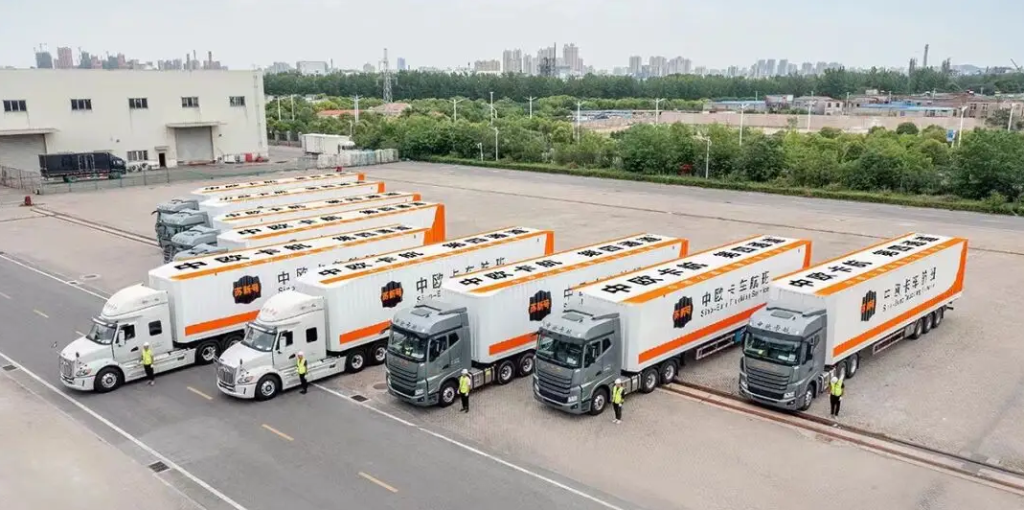
Currently, the mainstream first-mile shipping methods for Poland overseas warehouses are divided into three categories: trucking dedicated lines, air freight and railway freight. These three channels differ greatly in transit time, cost and space stability, adapting to completely different restock scenarios. The practical comparison table below helps sellers select channels accurately for daily inventory preparation:
Restock Channel | Warehouse Transit Time | Cost Comparison | Space Stability |
|---|---|---|---|
EU Trucking Line | 18–25 days | 100% (Benchmark Price) | High |
Air Freight | 8–12 days | 180%+ Higher Cost | Average |
Railway Freight | 25–30 days | About 70% of benchmark cost | High |
In terms of pure speed, air freight is the fastest yet comes with excessive cost premiums, making it unsuitable for daily regular restocking. Railway freight offers the lowest price but suffers from slow transit time, which cannot match the fast-paced cross-border inventory rolling model. Only EU trucking lines strike a perfect balance between efficiency and cost, fully fitting the inventory turnover rhythm of European overseas warehouses.
2. Why Trucking Is the Top Choice for Poland Overseas Warehouse Restocking
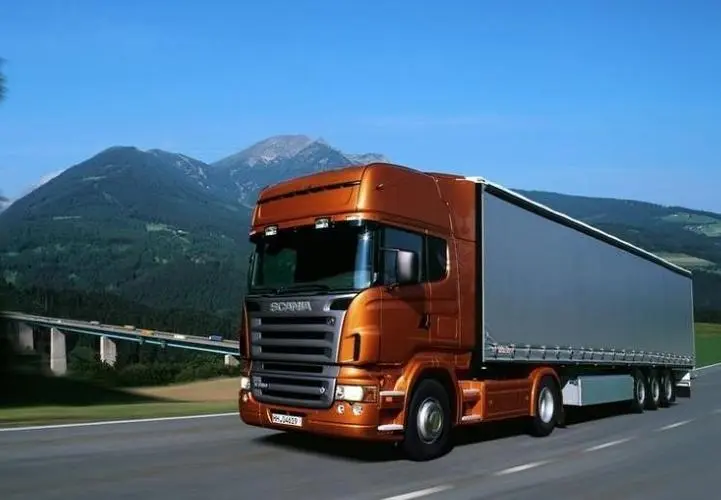
Most sellers struggle with channel selection simply because they fail to clarify the real restock demands of overseas warehouses. Overseas warehouse operations neither require extreme speed nor blindly low-cost and slow shipping solutions.
Moderate Lead Time Matches Inventory Turnover Perfectly
Poland overseas warehouses undertake full-EU transit and distribution tasks with rapid inventory turnover. The 18–25 day transit time of EU trucking lines precisely matches the regular order sales rhythm of cross-border stores. It effectively avoids inventory backlog and capital occupation caused by overly fast air freight restocking, as well as stockout risks brought by delayed railway freight.
Controllable Costs Boost Long-Term Operational Profits
Air freight costs are more than 1.8 times higher than trucking fees. Long-term large-volume air restocking brings huge cost pressure and squeezes profit margins severely. In contrast, EU trucking lines maintain stable benchmark pricing for regular restocking, delivering outstanding cost performance. It greatly releases profit space for small and medium-sized sellers and mass-listing operation teams.
Stable Shipping Space Ensures Peak Season Stability
During annual cross-border peak seasons, air freight often faces tight shipping space, skyrocketing rates and queuing delays. Poland-Europe trucking dedicated lines feature dense schedules and ultra-stable cabin resources with higher fault tolerance in peak periods. Relying on mature operational systems, it supports continuous and stable inventory replenishment for Poland overseas warehouses throughout the year.
3. Scenario-Based Channel Matching for Accurate Restock Rhythm
The most scientific overseas warehouse operation strategy is multi-channel collocation instead of relying on a single shipping method. Matching different channels with corresponding inventory scenarios realizes optimal inventory turnover and capital utilization.
Daily Regular Restocking: Prioritize EU Trucking Lines
For stable-selling product links without order fluctuations, EU trucking is the most reliable primary restock channel. Featuring stable timeliness, balanced costs and sufficient cabin space, it perfectly adapts to daily overseas warehouse operation demands. Many long-term European cross-border sellers adopt Shenglin International EU trucking lines as their exclusive regular first-mile channel. With mature closed-loop links and minimal transit fluctuations, it fully matches the fast distribution rhythm of Poland core overseas warehouses.
Hot Sale Emergency Replenishment: Air Freight for Backup
Arrange small-batch air freight emergency replenishment for sudden order spikes, inventory warnings and imminent stockouts. Only restock essential inventory to maintain product ranking weight, and avoid large-scale air shipping that increases overall logistics costs.
Off-Season Bulk Stockpiling: Railway Freight for Pre-Storage
During off-seasons and pre-promotion preparation periods, adopt low-cost railway freight for non-urgent bulk inventory stockpiling in Poland overseas warehouses, effectively reducing the annual average logistics cost.
4. Scientific Restock Schedule for Poland Overseas Warehouses (Ready-to-Use Strategy)
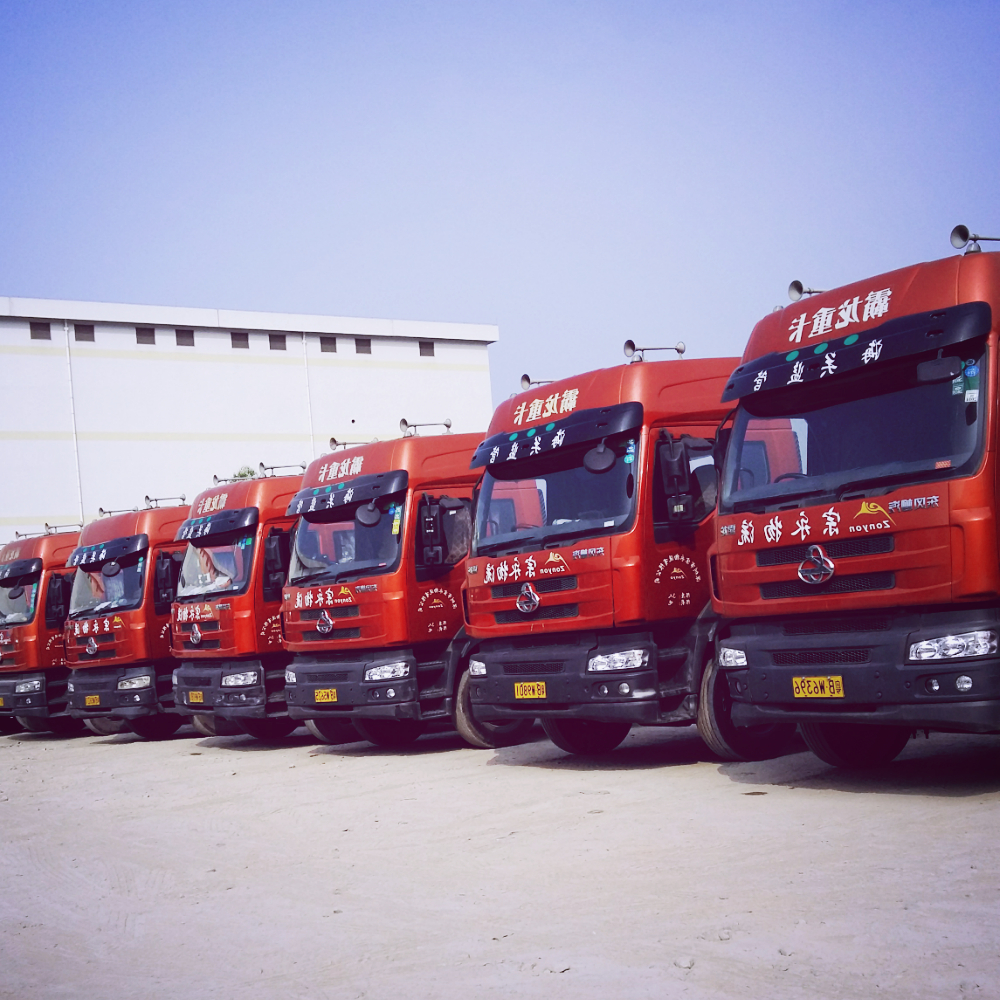
Refined European overseas warehouse operation relies on standardized restock cycles to eliminate stockouts and inventory backlogs. Combined with the timeliness advantages of EU trucking lines, here is a universal high-efficiency restock strategy for cross-border sellers:
Stable Regular Listings: 18-Day Cyclic Restocking
Based on the 18–25 day trucking transit cycle, implement rolling restocking every 18 days according to real sales data. Maintain dynamic inventory balance for overseas warehouses to achieve zero stockouts, zero backlogs and maximum capital utilization.
Potential Bestsellers: Trucking as Core + Air Freight Backup
For growing potential products with rising sales volume, take EU trucking replenishment as the core and pre-judge sales increment in advance. Reserve a small amount of air freight quota to cope with sudden order surges and avoid ranking weight gaps.
Pre-Promotion Peak Season: Trucking + Railway Combined Stockpiling
30 days before major European promotions such as Black Friday and Christmas, use railway freight to stock basic bulk inventory. Supplement incremental inventory via Shenglin International EU trucking lines 15 days in advance of promotions, balancing low cost and fast timeliness perfectly.
Conclusion
Poland has become a core European overseas warehouse hub by virtue of its central geographical location and low-cost distribution advantages. Among all shipping solutions, Poland-Europe trucking dedicated lines stand out with balanced timeliness, controllable costs and stable cabin resources, becoming the core restock pillar for European cross-border overseas warehouses.
The collocated operation strategy of trucking for daily turnover, air freight for emergency backup, and railway for off-season stockpiling fully meets the inventory management demands of most European cross-border sellers, helping achieve stable long-term store operation and continuous profit growth.