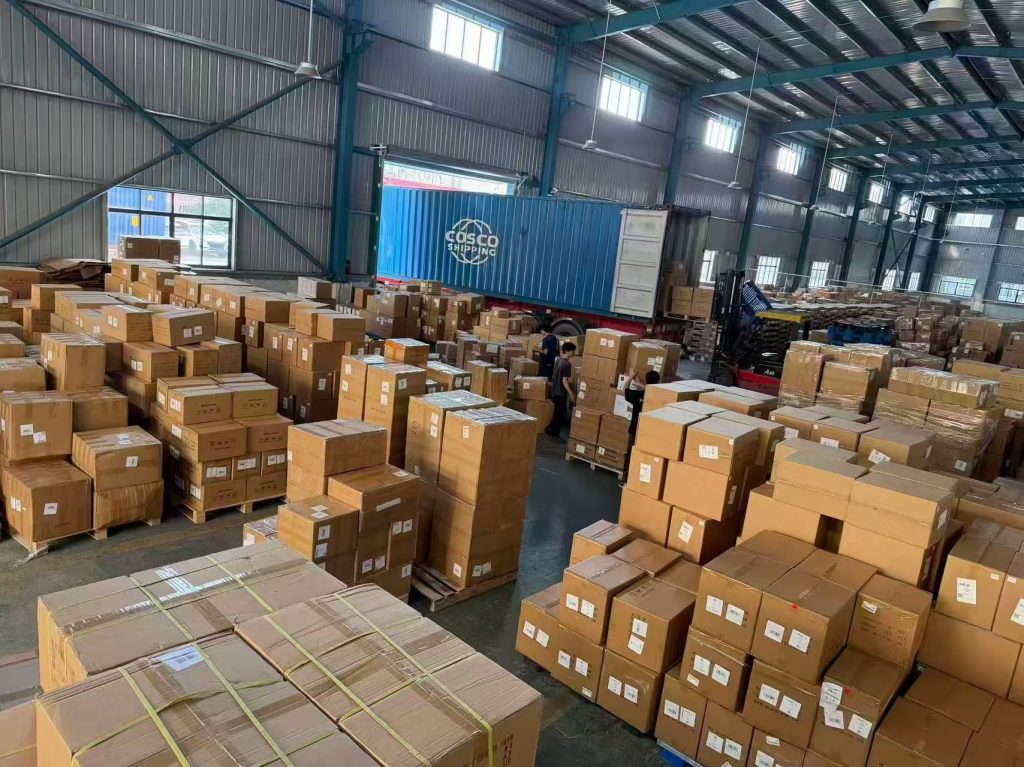
When booking air freight to Estonia, many shippers overlook one critical step far more than finding available flight options: correctly classifying whether your shipment qualifies as general goods or sensitive goods. Estonia joined the EU in 2004 and follows unified EU import‑tax rules and customs supervision frameworks for non‑EU imports. This means customs‑clearance workflows for cargo shipped from China to Estonia largely align with those applied across other EU member states. Under this regulatory system, general goods and sensitive goods are subject to distinct review standards for export customs declaration, airline acceptance and destination‑country import clearance. Mis‑declaration or mixed‑loading of incompatible cargo ranks among the top causes of cargo detention and return‑to‑origin orders. Consider this real‑world scenario: a consignment containing built‑in lithium‑ion batteries gets declared as general goods. It may pass Chinese export customs smoothly. However, airlines will reject the shipment without valid UN38.3 test reports and compliant IATA DGR packaging documentation. Even if the cargo departs successfully, it must submit ENS entry summary declarations before arriving at the first EU entry point. Mismatched battery specifications and supporting documents will trigger customs inspections or even forced returns upon arrival in Estonia. Conversely, shipping ordinary non‑regulated goods via sensitive‑goods channels creates no compliance risk but brings unnecessary extra expenses, because sensitive‑goods services consume additional clearance resources and operational overhead. Classify your cargo category first, then select your China to Estonia air freight agent. That forms the core logic of this guide for China‑to‑Estonia door‑to‑door logistics and Shenglin China to Estonia logistics DDP solutions.
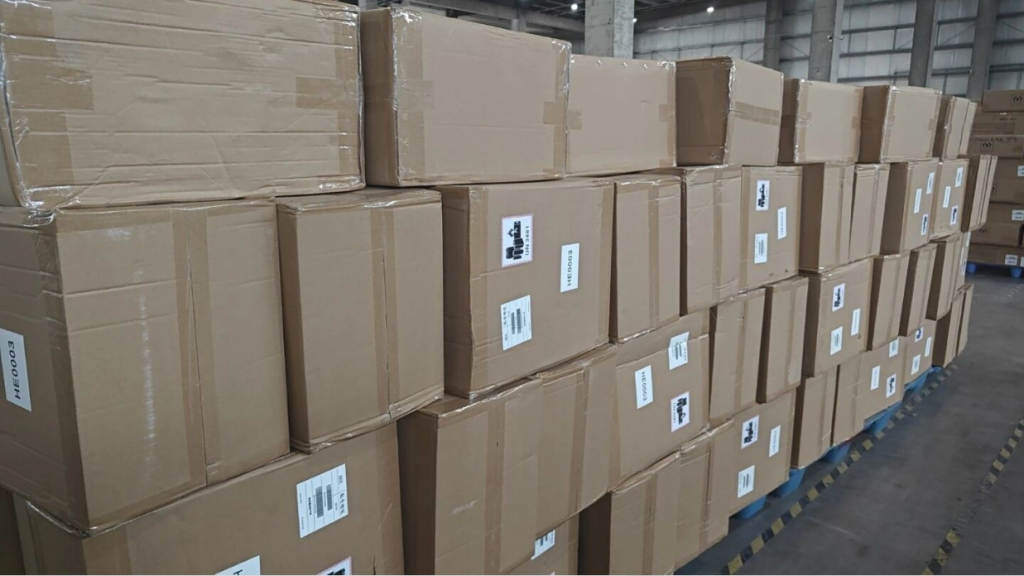
1. Core Differences Between General‑Goods and Sensitive‑Goods Air‑Freight Channels
In logistics industry terminology, general goods refer to standard commodities without special regulatory constraints, excluding batteries, magnetised items, liquids or powders. For air‑freight operations, battery‑powered products are normally treated as sensitive goods requiring dedicated channels. Four key dimensions separate these two service options, as shown in the comparison table below.
Regarding battery‑powered shipments, public documentation from Shenglin Logistics states its air‑freight channels support battery‑integrated goods within 100W power rating. This reference information can be used during quotation enquiries. Nevertheless, actual acceptance for Estonia‑bound routes, applicable channel arrangements and mandatory document requirements must be verified shipment‑by‑shipment. Lithium‑battery air shipments need UN38.3 test certificates and IATA DGR‑compliant packaging. Starting in 2025, updated DGR rules add stacking‑test requirements and stricter state‑of‑charge limitations for lithium batteries. Always validate battery specifications and complete documentation before handing over cargo.
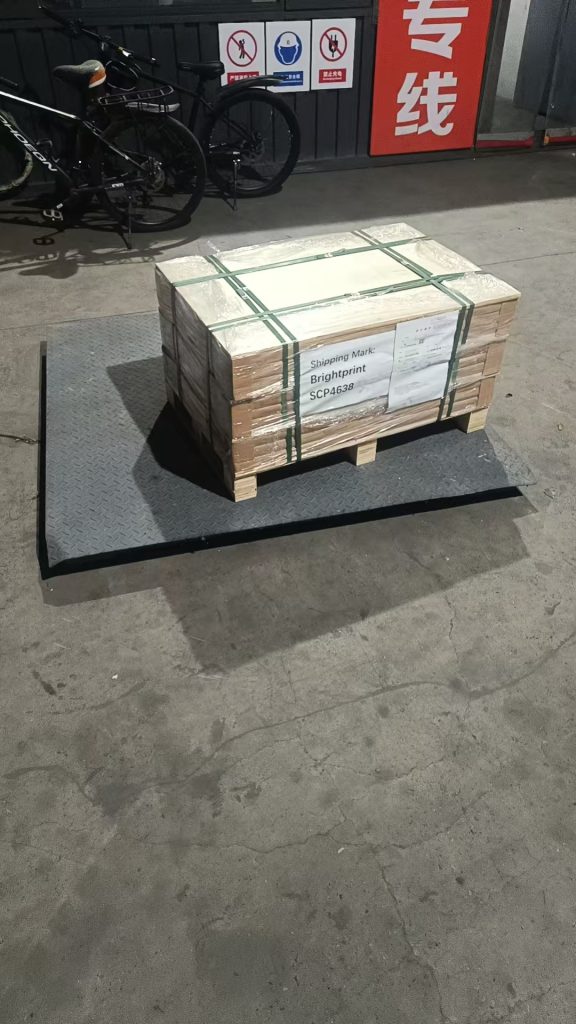
2. Shipping Sensitive Goods to Estonia: Allowed Commodities & Common Customs‑Clearance Bottlenecks
Estonian customs explicitly prohibits imports of counterfeit goods, infringing articles, narcotics and psychotropic substances. Pharmaceuticals, endangered‑species‑related products fall under restricted‑import categories. Compliance for these items must be confirmed for every single shipment before booking. Keep these baseline rules in mind before evaluating commodity‑specific logistics possibilities.
2.1 Food & Food Seasonings
EU import health and hygiene regulations apply to food and seasoning products entering Estonia. Different food types demand distinct import‑declaration compliance prerequisites. Ingredients, packaging formats and labelling requirements can all become clearance barriers, so not all food products can use identical logistics workflows.
2.2 Cosmetics & Skincare Products
Cosmetics marketed within the EU are governed under Regulation (EC) No 1223/2009. CPNP notification plus an assigned EU‑based responsible person are mandatory pre‑market obligations. Please note these are market‑access compliance requirements which cannot be replaced by logistics‑provider operations when sending cosmetics to Estonia.
2.3 Medical Products, Adult‑Use Merchandise and Perfumes
These three categories feature large divergences in transport constraints and customs‑clearance conditions and should be handled separately per commodity. According to Shenglin Logistics public materials, sea freight and trucking channels accept battery‑powered items, food seasonings, medical supplies, adult‑use goods, pharmaceuticals and perfumes. Acceptance scope for air‑freight services for Estonia must be confirmed directly with Shenglin on a per‑shipment basis.
Important boundary reminder: Acceptance status and applicable service channels for the above‑mentioned regulated commodities must be confirmed individually with your China to Estonia air freight agent. Do not assume that a “sensitive‑goods dedicated line” automatically accepts every kind of sensitive product. Some local‑market documentation requires lithium‑battery shipments to Estonia to carry UN38.3 test reports accompanying consignments; these practical rules also need validation with your actual service provider.
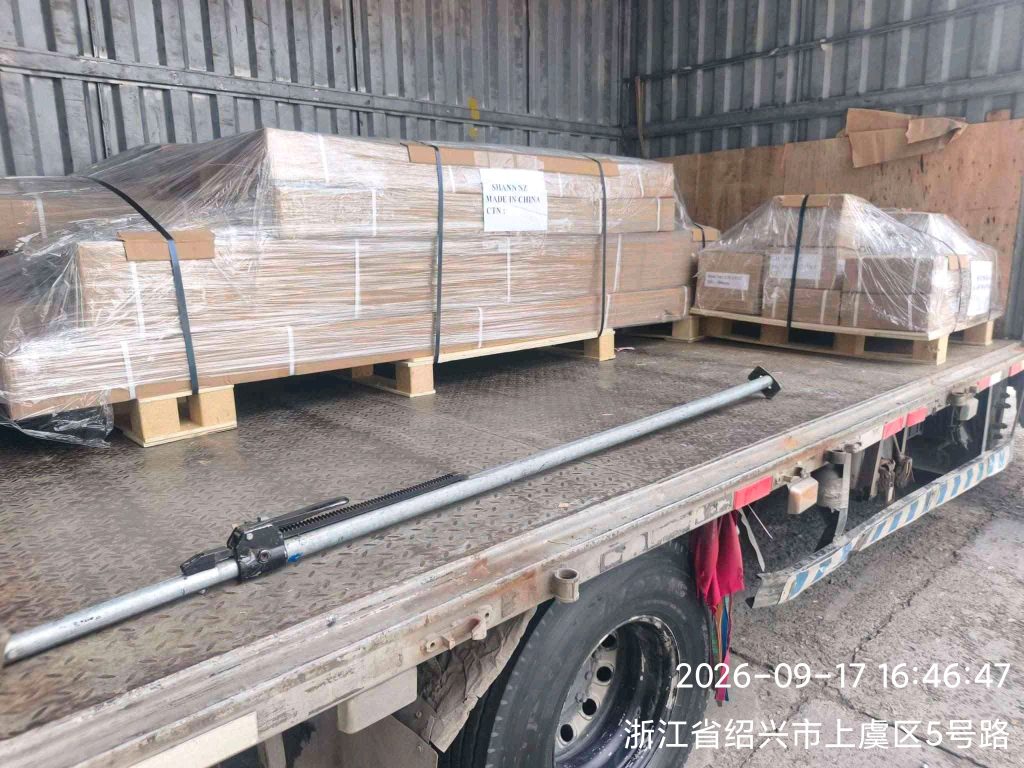
3. Verification Checklist When Selecting a China to Estonia Air Freight Agent
When receiving multiple quotations from logistics providers, evaluate each candidate systematically using this checklist instead of only comparing unit freight rates.
- Sensitive‑goods operational competence: Proven handling track‑record for your exact commodity type; can provide declaration‑guidance before shipment.
- Customs‑clearance solution: Confirm whether it operates under DDP dual‑tax‑clearing terms or importer self‑tax‑number clearance. Estonian imports require valid EORI numbers; clarify which party supplies the EORI and formal clearance entity.
- Tax‑treatment terms: Estonia applies a standard 24 % import VAT effective from 1 July 2025. Confirm whether VAT is included within quotations and whether VAT‑deferral schemes apply; all tax‑related items must appear in written offers.
- Last‑mile delivery capacity: Major local carriers for Estonia include Omniva (~45 % market share), Smartpost and DPD (~26 % market share). Confirm assigned last‑mile operator and service coverage for private residential addresses, FBA warehouses and overseas‑warehouse drop‑offs.
- Extended compliance support: Estonia enforces EU PPWR packaging‑waste EPR obligations. Sellers selling into Estonia must complete separate packaging‑waste registration and reporting. Clarify which contracting party takes responsibility for fulfilling EPR duties.
- Cargo‑loss‑and‑damage protection: Read formal indemnity rules, compensation standards and processing timelines within contractual documents. High‑value goods are strongly recommended to obtain independent cargo insurance.
Mandatory documentation you should obtain from any prospective China‑to‑Estonia door‑to‑door logistics supplier: formal quotation sheet, published transit‑time commitments, loss‑damage compensation clauses and written description of customs‑clearance workflows. Missing any of these documents raises risks of post‑shipment disputes.
4. Shenglin Logistics Capability Fit for Estonia‑Bound Air‑Freight Shipments
Based on publicly‑available materials, Shenglin Logistics advertises China‑to‑Estonia door‑to‑door logistics air‑freight services with DDP dual‑tax‑clearing delivery. Please note: statements below reflect public marketing materials only. Real service scope, Estonia‑specific transit‑times and pricing must be validated via official enquiries for Shenglin China to Estonia logistics DDP.
Shenglin’s European logistics portfolio covers sea, rail, trucking and air‑freight modes and delivers full‑chain DDP door‑to‑door dual‑tax‑clearing services. For air‑freight: public specifications state acceptance for sensitive goods, private‑address deliveries, consolidated shipments, cosmetics‑skincare items and battery‑integrated products up to 100 W. Oversized air‑freight maximum unit weight reaches 990 Kg with outer dimensions 302 cm × 203 cm × 160 cm. Supplementary compliance services include EU EPR registration‑and‑declaration and professional HS‑code classification support.
Fit‑for‑purpose evaluation: Shenglin Logistics is well‑matched for cross‑border‑e‑commerce merchants and foreign‑trade factories shipping to multiple European markets, especially consignments mixing sensitive‑goods or oversized‑cargo requirements. If you only ship small‑volume pure general‑goods exclusively to Estonia, compare multiple quotations to confirm whether this provider represents your optimal choice.
5. Eight Essential Questions You Must Ask Your Air‑Freight Agent Before Confirming Shipment
Clarify these eight questions prior to signing contracts to avoid most common post‑shipping disputes, with brief explanations for each enquiry point:
- Which exact channel will my commodity (specify item name, battery‑status, liquid‑content) utilise? Prevent mis‑declaration, the top cause of customs detention and return shipments.
- Does this shipment run under DDP duty‑paid terms or importer self‑tax‑number clearance? How will Estonian 24 % VAT be handled? Determines landed‑cost composition and consignee qualification requirements; quotations differ greatly depending on VAT‑inclusive status.
- From which milestone are published reference transit‑times calculated? Confirm whether timing starts from cargo hand‑over date, flight departure date or post‑customs‑completion date. Different baseline definitions create large expectation gaps.
- Are delay‑compensation mechanisms available? What precise contractual conditions apply? Some public materials mention delay‑indemnity for air‑freight offerings; final enforceable terms must appear within written contracts.
- Which carrier handles Estonian last‑mile delivery? Can it deliver to private addresses, FBA warehouses or overseas‑warehouse facilities? Local operators such as Omniva and DPD largely govern Estonian domestic distribution; last‑mile coverage decides whether cargo arrives “at‑port” versus “door‑delivered”.
- What are formal loss‑damage compensation standards and claim‑processing turnaround times? Resolve terms before incidents happen instead of negotiating after damage or loss occurs.
- Can you provide domestic pickup service for my city? What is the minimum shipment volume for pickup? Pickup‑service coverage and minimum order thresholds directly influence practical shipment costs.
- Which charges are included and which charges are excluded within this quotation? Fuel surcharges, remote‑area surcharges, import duties and other add‑on fees are frequently omitted from preliminary price offers.
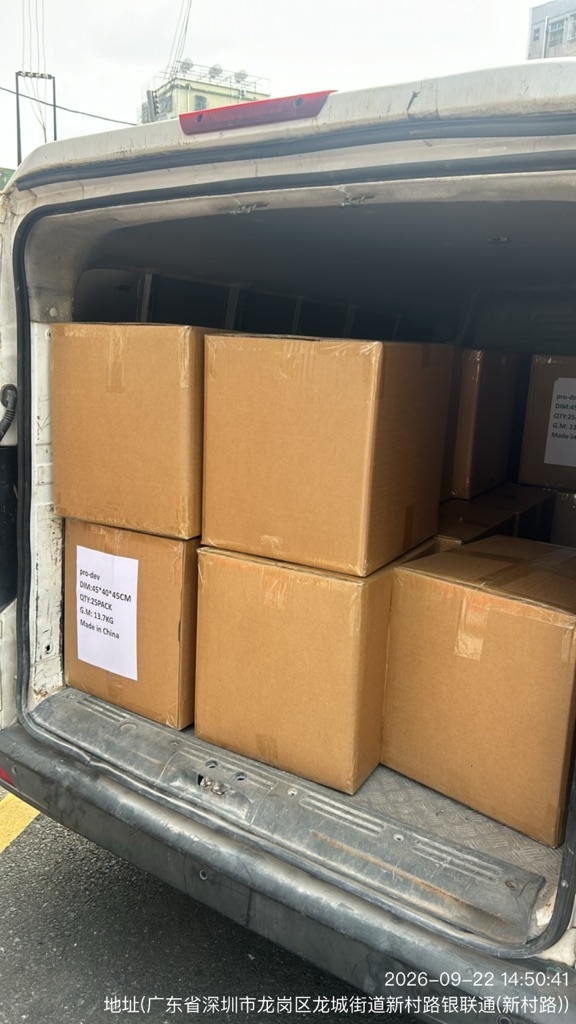
6. Common Decision‑Making Pitfalls for Estonia Air‑Freight Bookings
- Only compare unit prices while ignoring customs‑clearance models DDP duty‑paid clearance and importer‑self‑tax clearance contain fundamentally different cost components and cannot be directly benchmarked. Best practice: first confirm whether VAT and import duties are included before comparing total landed costs.
- Treat “sensitive‑goods dedicated channel” as universal shipping authorisation “Sensitive goods” represents a broad commodity category instead of an all‑access shipping permit. Best practice: submit full commodity descriptions, ingredient lists and battery parameters to agents and obtain a clear yes‑or‑no feasibility assessment before booking.
- Overlook reference‑transit‑time baseline definitions A quoted 25‑day lead‑time may count from flight departure rather than cargo hand‑over, creating major expectation mismatches. Best practice: explicitly record timing starting‑point within contract remarks.
- Skip verification of Estonian local‑delivery coverage “Arrived at port” does not equal “door‑delivery”, frequently stemming from insufficient last‑mile‑network coverage for your receiving address. Best practice: send your full delivery address to the forwarder and confirm assigned carrier and deliverability in advance.
All assessment methods and enquiry wordings serve as practical examples. Final binding terms are subject to formal written agreements between you and your logistics provider.
7. FAQ: Frequently Asked Questions for China‑Estonia Air Freight
Q1: Why is cargo classification critical for air freight from China to Estonia?
Estonia follows unified EU import supervision. General goods and sensitive goods face separate airline‑acceptance rules, export‑declaration standards and Estonian import‑clearance requirements. Mis‑classification or mis‑declaration will trigger inspections, detention or return‑to‑origin shipments. Selecting a qualified China to Estonia air freight agent starts with accurate cargo classification for your China‑to‑Estonia door‑to‑door logistics consignment.
Q2: Can lithium‑battery‑equipped goods be shipped by air to Estonia under Shenglin China to Estonia logistics DDP?
Battery‑integrated goods are treated as sensitive goods. Subject to power‑rating limits, valid UN38.3 reports and compliant IATA DGR packaging requirements, eligible lithium‑battery‑products can be transported. Every shipment needs pre‑booking confirmation regarding exact acceptance criteria.
Q3: What are the key local carriers performing last‑mile delivery inside Estonia?
Omniva, Smartpost and DPD dominate Estonian domestic parcel distribution. When reviewing China‑to‑Estonia door‑to‑door logistics proposals, confirm which local carrier will execute final delivery and verify serviceability for private addresses, FBA and overseas‑warehouse locations.
Q4: What is the current standard import VAT rate for Estonia?
Estonia’s standard import VAT rate is 24 %, effective 1 July 2025. When evaluating Shenglin China to Estonia logistics DDP quotations, double‑check whether import VAT is built‑into the offer or will be billed separately upon arrival.
Q5: Are EPR packaging‑waste compliance requirements mandatory for Estonia‑bound shipments?
Yes. Under EU PPWR rules, sellers placing packaged goods on the Estonian market must complete separate packaging‑waste EPR registration and reporting. This is a market‑access compliance obligation independent of pure logistics services and should be clarified before shipment.
Conclusion
Booking air freight to Estonia begins with precise cargo classification between general goods and sensitive goods, rather than simply comparing unit freight prices. Different commodity categories trigger distinct airline‑acceptance rules, customs‑declaration workflows and cost‑structures. Merchants should evaluateChina to Estonia air freight agent candidates using systematic checklists, verifying DDP clearance options, Estonian‑specific tax rules, last‑mile‑carrier information, indemnity terms and supplementary compliance services. When properly vetted, China‑to‑Estonia door‑to‑door logistics solutions including Shenglin China to Estonia logistics DDP can reduce customs‑detention risks and unexpected hidden costs and deliver stable supply‑chain support for merchants expanding business within the Estonian market.
Disclaimer: All service descriptions draw from Shenglin Logistics public documentation. Real‑world service scope, capacity and pricing are subject to official written quotations. EU‑level regulatory provisions may undergo revisions.
Need a custom quotation for your Estonia‑bound air‑freight shipment? Please visit our Contact‑Us page to submit your cargo specifications for a no‑obligation professional assessment