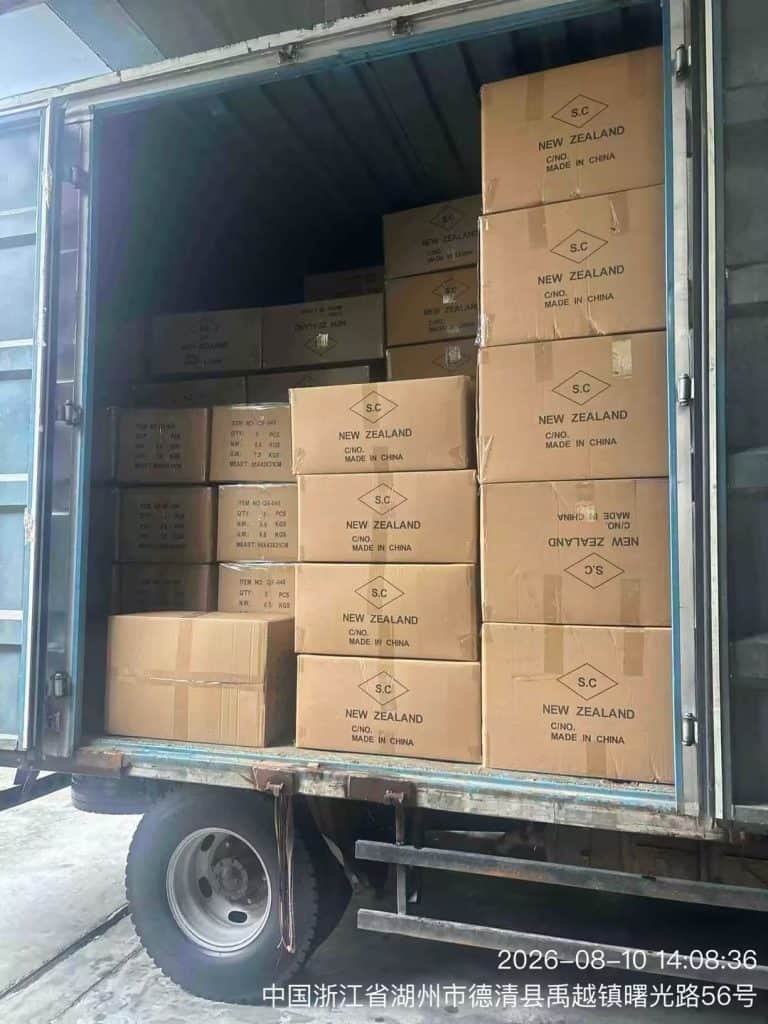
When enquiring for China to Bulgaria air freight, two terms frequently appear: “DDP” and customs‑tax‑inclusive double‑clearance. Many sellers treat them as identical services and place orders based purely on an “all‑in tax‑paid” quotation. Only after cargo inspection, supplementary‑tax demands, or failure to obtain official tax‑payment certificates do they realise major differences in liability allocation. This article clarifies the conceptual boundaries of these two terms and delivers a ready‑to‑use verification checklist for your freight enquiries with yourChina to Bulgaria freight forwarder for China‑to‑Bulgaria door‑to‑door logistics including Shenglin China to Bulgaria logistics DDP offerings.
1. Why You Must Distinguish DDP from Double‑Clearance Tax‑Inclusive for Bulgaria Air Freight
Bulgaria became an EU member state on 1 January 2007. Its import‑customs and tax regulations follow unified EU customs‑union rules instead of isolated national requirements. This makes its clearance workflow more complex compared with non‑EU markets such as the United Kingdom. Shipments entering Bulgaria effectively enter the EU customs territory, raising requirements regarding import‑entity qualification, VAT registration, declaration and HS‑code classification.
Here lies the common pitfall: verbal “tax‑inclusive” promises from freight forwarders are often marketing statements without written definition. They seldom specify which party acts as the importer of record, which VAT number is used for clearance, how VAT is declared, and who bears extra costs triggered by customs inspections. While comparing quotations purely on total price, sellers can easily misunderstand what service they are actually purchasing.
One further critical background detail: Bulgaria applies a standard 20 % import VAT. The country formally adopted the Euro as its official currency starting from 1 January 2026; import duties and import VAT are now denominated in EUR. Currency‑related tax‑calculation adjustments make it even more necessary to verify each component covered under so‑called “tax‑inclusive” offers.
This section builds problem awareness; the following chapters define each concept clearly.
2. What Exactly Are DDP and Customs‑Tax‑Inclusive Double‑Clearance?
2.1 DDP: An official international trade Incoterm
DDP (Delivered Duty Paid) is a formal trade term under Incoterms 2020 published by the International Chamber of Commerce, applicable to all modes of transport. Its core definition: the selling‑party bears all costs and risks to deliver goods to the named destination, including destination‑country import duties, taxes and final delivery obligations. As an official term, liability boundaries are well‑defined: which side pays import‑related taxes and who completes door‑delivery are explicitly specified at the terminology level.
2.2 Customs‑tax‑inclusive double‑clearance: industry jargon, not official Incoterm
Within logistics industry practice, “double‑clearance tax‑inclusive” generally means the freight forwarder handles export customs filing, destination‑country import clearance and associated taxes, often together with last‑mile delivery. Nevertheless, it possesses no official trade‑term definition. Different service providers interpret tax‑coverage scope and import‑of‑record entities inconsistently.
One provider’s “double‑clearance tax‑inclusive” may cover import duty but exclude VAT. A second may include both duty and VAT yet charge separately for final‑mile delivery. A third may utilise third‑party VAT numbers for import clearance. Identical‑sounding marketing descriptions can represent substantially different deliverables.
2.3 Five‑dimension comparison for enquiry reference
The table below works as a question checklist you should go through during quotation evaluation rather than a final conclusion.
| Comparison Dimension | DDP (Incoterms 2020) | Customs‑Tax‑Inclusive Double‑Clearance (Industry Jargon) |
|---|---|---|
| Import entity | Liability allocation clearly defined under formal trade rules | |
| Duty & VAT payment | Obligation rests with the selling party | Tax coverage varies according to each forwarder’s internal definition |
| Customs‑clearance documentation | Responsible party is contractually accountable for issuing documents | Must explicitly confirm document provider and accessibility of official tax‑payment certificates |
| Last‑mile delivery | Delivery‑to‑door obligation is included in term definition | Frequently included; delivery coverage boundaries require separate confirmation |
| Costs arising from customs inspection | Formal term assigns risks to the selling party | Financial responsibility must be written explicitly within contracts |
3. Practical Operational Differences for Bulgaria Air‑Freight Shipments
3.1 Import‑of‑record entity shapes downstream compliance status
Under formal DDP arrangements, import‑clearance liability follows well‑established rules. By contrast, many double‑clearance tax‑inclusive workflows rely on the forwarder’s third‑party VAT or import entity to complete import formalities. The direct consequence for sellers: goods may clear customs, yet import records will not appear under your own business identity. This creates obstacles for subsequent VAT deduction and compliance traceability.
Industry reports note that non‑compliant “tax‑inclusive” practices can involve undervaluation or shared VAT‑number usage. Potential consequences include tax‑authority trace‑back investigations, unobtainable tax‑payment certificates and insufficient supporting documents for insurance claims. These are realistic risks every seller should verify when selecting a China to Bulgaria freight forwarder.
3.2 Divergent tax workflows affect B2B and B2C merchants differently
Bulgarian VAT legislation supports import VAT deferral under centralised‑clearance conditions. To qualify, the importer must hold a valid local VAT registration plus relevant permits; tax payments are due by the 16th day of the month following declaration acceptance. Whether deferral applies and who performs the declaration directly influences your cash‑flow and compliance costs.
For B2B sellers: if you are not the import‑of‑record entity, input‑VAT deduction becomes impossible. For B2C sellers: mismatches between platform withholding‑tax mechanisms and forwarder clearance workflows may trigger duplicate tax charges or declaration gaps.
Additionally, the EU adopted revised import‑VAT rules in July 2025 which will enter into force in July 2028. These new provisions may oblige non‑EU taxpayers to appoint local fiscal representatives and fulfil corresponding tax liabilities. Upcoming tightening of compliance requirements makes it essential to clarify import‑entity and declaration pathways today for your China‑to‑Bulgaria door‑to‑door logistics arrangements.
3.3 Allocation of costs during inspection, supplementary‑tax assessment or return‑shipment events
Customs inspections are not uncommon for air‑freight consignments. This is where gaps between DDP and informal double‑clearance tax‑inclusive services become most visible. DDP carries clearly‑defined risk‑allocation rules under Incoterms 2020. For informal tax‑inclusive offers, inspection expenses, supplementary‑tax bills and return‑arrangement liabilities depend entirely on written contract wording. Quotations showing only the phrase “tax‑inclusive”, without exception clauses, almost guarantee future disputes.
3.4 Suitable application scenarios differ
Generally speaking: high‑value B2B cargo requiring official tax‑certificates and VAT‑deduction capability benefits from well‑documented workflows clarifying import‑entity and tax‑procedures. Low‑value B2C small parcels for private consignees with no need for tax deduction are comparatively less sensitive regarding import‑of‑record status. These are only directional guidelines; final selection must consider commodity category, cargo value and receiving‑party type.
4. Core Evaluation Criteria for Trustworthy China‑to‑Bulgaria Air‑Freight Services
When searching for reliable China to Bulgaria freight forwarder air‑freight solutions, unit price should not be your primary filter. Instead, assess the following dimensions:
- Customs‑clearance competence: Does the provider possess proven Bulgaria‑EU import‑clearance resources? Can they explicitly state the import‑of‑record entity and exact tax‑handling workflow? Vague responses indicate risks may shift onto the shipper.
- Compliance supporting services: Can they deliver HS‑code classification guidance, VAT‑process explanations and EPR‑related advice? EU Regulation (EU) 2025/40 governing Packaging and Packaging Waste establishes extended‑producer‑responsibility obligations, with supplementary guidance published by the European Commission in June 2026. Confirm which contracting‑party assumes responsibilities for packaged‑goods compliance.
- Transparent transit‑time definitions: Are reference timelines for cargo pickup, import clearance and last‑mile delivery clearly specified? Do they distinguish timelines for general‑goods versus sensitive‑goods? Public‑domain information shows typical China‑to‑Bulgaria door‑to‑door logistics air‑freight windows ranging from several working days up to more than ten working‑days. Actual lead‑times depend on provider and channel and must be confirmed via written documentation.
- Cargo acceptance capability: Explicit acceptance standards for battery‑powered items, cosmetics and oversized consignments.
- Risk‑protection clauses: Loss‑damage indemnity and delay‑compensation mechanisms must exist within written contracts rather than only verbal promises.
5. Shenglin Logistics Service Offerings for Bulgaria‑Bound Air Freight
Shenglin Logistics is an established cross‑border专线 operator focusing on European, Australian and New‑Zealand markets. Relevant capabilities for Bulgaria air‑freight projects are summarised below:
Its European network provides pan‑EU coverage, with multi‑tier air‑freight speed options. Air‑freight channels accept various sensitive‑goods, private‑address shipments, consolidated cargo and cosmetic‑skincare products, supporting battery‑integrated goods rated up to 100 W. Full‑chain Shenglin China to Bulgaria logistics DDP door‑to‑door service comes together with supporting compliance services including EU EPR registration‑declaration and professional HS‑code classification for early compliance‑risk identification.
Domestic pickup is available across multiple Chinese cities leveraging key gateway ports of Guangzhou and Shenzhen. Dedicated account managers handle shipment enquiries, exception resolution and status updates, alongside end‑to‑end track‑and‑trace visibility.
Disclaimer: Descriptions above are sourced from public brand materials. Specific service details for Bulgaria‑bound air freight, including import‑entity arrangements, VAT workflows, actual transit‑times and compensation terms, must be confirmed directly with Shenglin Logistics. This article does not constitute binding service commitments.
6. Seller Decision‑Making Checklist: How to Select, Enquire and Avoid Common Pitfalls
6.1 Mandatory questions to raise during quotation enquiries
- Who acts as the import‑of‑record entity? Will my own Bulgarian/EU VAT ID be used, or will the forwarder’s entity apply?
- How are import duty and import VAT handled respectively? Does the service include VAT‑deferral options?
- Which party provides customs‑clearance documentation? Am I able to obtain official tax‑payment certificates?
- Who bears costs triggered by customs inspections? Who is responsible for supplementary‑tax liabilities?
- Which geographic zones does last‑mile delivery cover? What are reference transit‑times?
- Does this quotation include all destination‑country import‑related taxes plus any potential last‑mile surcharges?
6.2 Items requiring written contractual confirmation
- Transit‑time standards and scope of application (differentiating general‑goods and sensitive‑goods)
- Exact trigger conditions and settlement rules for delay‑compensation mechanisms
- Loss‑damage indemnity standards and claim‑processing timelines
- Additional prerequisites and acceptance rules for sensitive‑goods consignments
6.3 Three critical pitfall‑avoidance reminders
- Verbal “tax‑inclusive double‑clearance” is not equivalent to formal DDP. DDP is a well‑defined Incoterm 2020 term; “tax‑inclusive double‑clearance” remains informal industry jargon. If a provider states “tax‑inclusive”, follow‑up by asking precisely which taxes are covered and which import entity will be utilised.
- Low‑headline quotations may exclude destination‑country taxes or last‑mile surcharges. Low unit pricing does not automatically equal good value; clarify included versus excluded cost components.
- Import clearance executed under third‑party VAT‑numbers may harm your long‑term tax compliance. When import records are not registered under your business identity, VAT‑deduction, compliance trace‑back and insurance‑claim support may suffer consequences. This point carries particular weight for merchants running long‑term European‑market operations.
7. FAQ: Frequently Asked Questions About China‑to‑Bulgaria Air Freight DDP & Tax‑Inclusive Services
Q1: What is the core difference between DDP and double‑clearance tax‑inclusive offers for Bulgaria air freight?
DDP is an official Incoterm 2020 trade‑term with fixed liability definitions. “Double‑clearance tax‑inclusive” is informal industry jargon without unified standards. Identical‑sounding marketing packages can differ widely regarding import‑entity, tax‑coverage and risk‑allocation. Always verify each item in writing with your China to Bulgaria freight forwarder for China‑to‑Bulgaria door‑to‑door logistics.
Q2: Does Shenglin China to Bulgaria logistics DDP automatically mean I can obtain Bulgarian official tax‑payment certificates?
Not automatically. DDP defines overall risk‑and‑cost allocation, but you must explicitly confirm whether tax‑payment certificates can be issued in your business name, depending on which import‑of‑record entity is deployed for your shipment. Clarify this requirement before booking.
Q3: What risks come with utilising third‑party VAT numbers for Bulgaria import clearance?
Your import transaction will not be logged under your own company profile. This blocks input‑VAT deduction, complicates compliance trace‑back and weakens supporting evidence for cargo‑loss insurance claims. Tax‑authority audits may also create follow‑up liabilities.
Q4: How will the EU new import‑VAT rules effective July 2028 affect my shipments to Bulgaria?
Revised EU regulations will oblige many non‑EU sellers to appoint local fiscal representatives. It makes it more critical to lock‑down your import‑entity and tax‑declaration workflows in advance when arranging China‑to‑Bulgaria door‑to‑door logistics.
Q5: Can DDP services for Bulgaria handle VAT‑deferral?
VAT‑deferral eligibility depends on whether the import‑of‑record holds valid Bulgarian VAT registration and relevant official permits. DDP as a trade‑term does not guarantee deferral availability; you must confirm this capability separately with your freight forwarder.
Conclusion
Many merchants searching for China‑to‑Bulgaria door‑to‑door logistics overlook the fundamental gap between formal DDP (Incoterms 2020) and informal “tax‑inclusive double‑clearance” marketing descriptions. Selecting a trustworthy China to Bulgaria freight forwarder is far more than comparing headline freight rates. You need to validate import‑of‑record arrangements, duty‑VAT handling, inspection‑cost allocation, document availability, transit‑time transparency and contractual risk‑protection clauses. When properly evaluated, Shenglin China to Bulgaria logistics DDP and comparable formal solutions help you steer clear of compliance pitfalls and unexpected hidden expenses, supporting stable cross‑border‑business growth in the Bulgarian market.
Disclaimer: All service‑related content draws from Shenglin Logistics public materials. Real service scope, import‑entity setup, tax‑handling workflows, timelines and indemnity terms are subject to formal written quotations. EU‑level regulations may be subject to legislative updates.
If you are assessing air‑freight options to Bulgaria, please go to our Contact‑Us page and submit your cargo details. Our specialists will walk through DDP and tax‑inclusive service specifics based on the checklist above and provide a no‑obligation assessment.