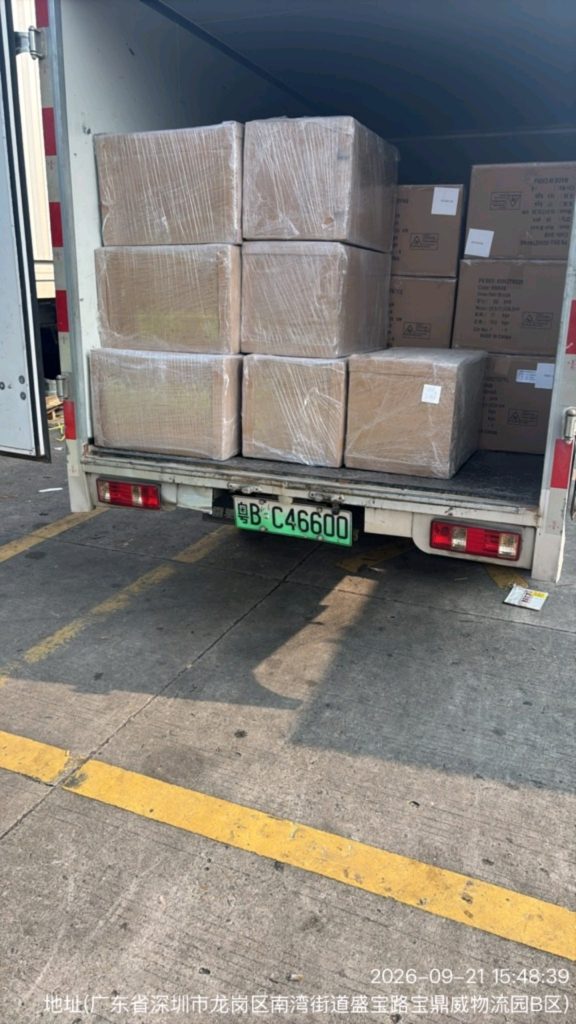
Latvia may not rank among the most‑mentioned destinations for Chinese cross‑border sellers. Nevertheless, it acts as an indispensable logistics hub for businesses targeting Baltic markets, Nordic distribution or Eastern‑European transshipment. Riga Port serves as a major distribution centre for Baltic states, Riga Airport is the largest air gateway among the three Baltic countries, and its railway gauge enables connections with Eurasian continental freight flows. Shipments arriving in Latvia can either be sold locally or further distributed across Nordic and Eastern‑European territories. Two high‑speed transport options are widely used for shipments from China to Latvia: air freight and cross‑border trucking. Significant gaps exist between them regarding transit performance, overall cost and acceptable cargo categories. Picking the wrong channel either raises your freight budget or causes missed sales windows due to slow transit. This article compares both solutions in detail and provides practical enquiry questions for your China to Latvia freight forwarder when planningChina‑to‑Latvia door‑to‑door logistics under Shenglin China to Latvia logistics DDP.
1. Why Latvia Requires Independent Logistics Evaluation
Latvia joined the EU in 2004 and adopted the Euro currency in 2014, fully following EU customs regulations. Imports generally require a valid EORI number, with a standard import VAT rate of 21 %. VAT deferral mechanisms are available, subject to the latest requirements issued by Latvian customs and tax authorities. Compliance requirements are comparable to Western‑EU member states; merchants should not assume “looser customs supervision for small EU countries”. Bilateral trade volume between China and Latvia remains substantial. Diplomatic relations were established in 1991. A memorandum of understanding for Belt‑and‑Road cooperation was signed in 2016. In November the same year, the first Yiwu‑Riga China‑Europe freight train reached Riga via Manzhouli border crossing with an approximate 17‑day transit, opening a new gateway for Chinese goods entering Eastern Europe and the Nordic region. According to Chinese official statistics, bilateral trade volume reached around USD 1.15 billion in 2024. Despite solid trade flows, logistics services for Latvia are far from standardised. Typical China‑Europe trucking routes exit China via Xinjiang border, then pass through Kazakhstan, Russia and Belarus before entering Latvia, Lithuania and other Baltic nations for subsequent forwarding toward Western Europe. Actual routing differs per freight provider and must be verified shipment‑by‑shipment. Even services marketed under the identical “trucking” label can vary greatly in physical routes, customs clearance points and last‑mile delivery networks. This also applies to air freight: direct‑flight versus transfer solutions, DDP versus VAT‑deferral options produce different timelines and cost structures. Therefore, when you are searching for options for shipments to Latvia, you cannot rely merely on labels “air freight” or “trucking”. You also need to assess each China to Latvia freight forwarder’s local customs‑clearance competence, last‑mile coverage and supplementary compliance support for your China‑to‑Latvia door‑to‑door logistics.
2. Transit‑Time & Cost Profile of Air‑Freight Solutions
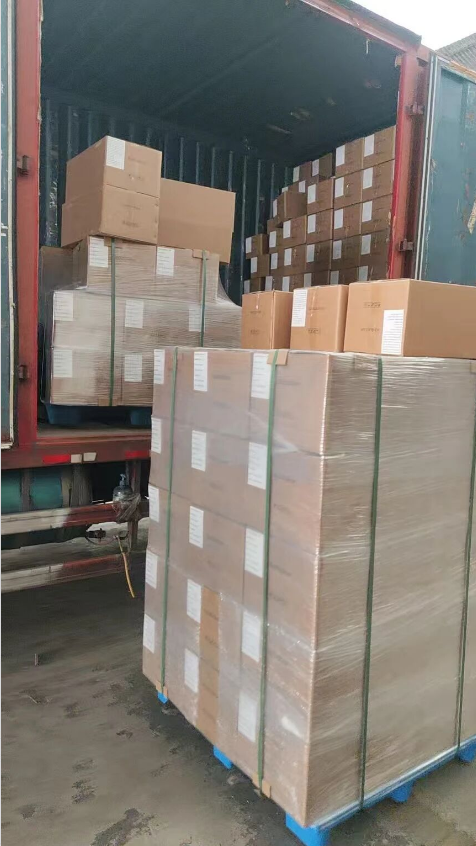
The full air‑freight workflow contains four sequential phases: domestic cargo consolidation in China, direct‑flight or transfer air carriage, destination‑country import clearance and final last‑mile delivery. Every phase introduces potential variables. Domestic consolidation speed depends on your origin city and whether goods count as sensitive commodities. Air‑leg performance is affected by cabin availability and flight schedules. Clearance outcomes are determined by declaration quality plus battery or sensitive‑goods attributes. Last‑mile efficiency varies by delivery type: FBA warehouse, commercial premise or private residential address. Shenglin Logistics offers multi‑tier air‑freight service tiers adapted for different budget requirements:
- 6‑Day Express: Cargo pickup approx. 6 days after hand‑over. Utilises premium direct‑flight capacity; customs processing and cargo release proceed during weekends and public holidays. Suitable for time‑critical urgent shipments.
- 6‑8‑Day Express: Cargo pickup approx. 9 days after hand‑over. Premium direct‑flight services, goods are promptly handed over to local last‑mile carriers.
- Economy General‑Goods Line: Reference pickup time 7‑10 working‑days. Last‑mile handled by UPS. Recommended for cost‑focused shipments.
Note: Above transit indicators exclude delays brought by customs inspections, flight cancellations and other force‑majeure events. In terms of pricing, air freight is billed by actual or volumetric weight and carries the highest unit cost among mainstream transport modes. Quotation‑influencing factors include cargo weight & dimensions, flight‑cabin tightness, battery‑integrated or sensitive‑goods status, clearance scheme (DDP or VAT deferral), plus destination‑address category. Identical consignments may generate different delivery costs for private addresses versus FBA warehouses; battery‑equipped cargo also increases channel expenses compared with general goods. Air‑freight accepts a relatively broad scope of commodities. Shenglin air‑freight channels support various sensitive‑goods, private‑address shipments, mask‑type goods, consolidated cargo and cosmetics‑skincare products, permitting battery‑integrated goods up to 100 W power rating. Oversized air‑freight solutions are also available: maximum per‑piece weight 990 Kg, outer dimensions 302 cm × 203 cm × 160 cm; minimum acceptance weight 68 Kg per piece. Estimated warehouse‑arrival around 11 days post‑hand‑over; operated via premium flights with FedEx last‑mile distribution. This offering addresses the common pain point of limited carrier acceptance for oversized‑cargo air‑shipments. Separate UK‑oriented air‑freight express lines are provided: 3‑5‑working‑day pickup with approx. 6‑day door‑delivery after hand‑over, premium direct flights with weekend‑holiday clearance support; economy general‑goods line delivers within 6‑8 working‑days via DPD, supporting DDP dual‑tax‑clearing, VAT‑clearance or VAT‑deferral for private addresses, business premises, FBA and overseas‑warehouse scenarios. Air‑freight is best‑suited for time‑sensitive, high‑value consignments of moderate weight‑to‑volume ratio. Sensitive commodities require channels backed by proven customs‑compliance resources; not every air‑freight provider can handle such shipments.
3. Transit‑Time & Cost Profile of Cross‑Border Trucking (Road Freight)
Cross‑border trucking means overland truck‑based transportation from China through Central‑Asia to Baltic nations. Taking Shenglin European trucking routes as reference: containers are loaded in Shenzhen, exit via Xinjiang border, pass Kazakhstan, Russia, Belarus and enter Latvia or Lithuania, before proceeding towards clearance points located in Belgium or the United Kingdom. Final‑mile delivery is completed by UPS / DPD for continental Europe and DPD for the UK. Latvia can function both as a transit node and as the final distribution destination under such routing. This detail is critical. If customs clearance is performed in Belgium or the UK, Latvia becomes purely a transit country. When direct import‑clearance and delivery inside Latvia are required, your forwarder must possess local Latvian clearance resources and domestic delivery infrastructure. Clarify this point during quotation enquiries. For transit performance: domestic Chinese segment completes container re‑loading and border exit within approximately four days. Overseas legs draw on established fleets operating across Belarus and Kazakhstan. General‑goods European trucking services commence last‑mile delivery 18‑25 days after departure. European oversized‑cargo trucking accepts pallets up to 1.5 tonnes with maximum dimensions 400 cm × 220 cm × 210 cm; delivery starts 25‑30 days after departure. Cost‑wise, trucking rates normally sit below air‑freight price levels. According to publicly‑available industry references, China‑Europe trucking occupies the middle price‑performance band situated between rail freight and air freight. Please note these figures are reference benchmarks from certain operators and do not constitute universal guarantees; real costs should be calculated according to your actual cargo volume and specifications. Trucking fits shipments with relaxed time requirements, large‑volume B2B bulk orders, oversized goods and certain sensitive‑goods categories where air‑freight options are too costly or unavailable. Shenglin sea & trucking channels support battery‑integrated items, food, hot‑pot seasonings, medical supplies, adult‑use merchandise, pharmaceuticals and perfumes. Final acceptance is subject to real‑world channel capacity.

4. Core Comparison Between Air‑Freight and Trucking for Latvia‑Bound Shipments
The table below summarises major differences, based on Shenglin public service documentation. Specifications from other China to Latvia freight forwarder providers may differ.
| Comparison Item | Air Freight | Cross‑Border Trucking |
|---|---|---|
| Reference Transit Performance | Economy line: pickup 7‑10 working‑days; express tiers: approx. 6‑9 days pickup | Delivery initiates 18‑25 days after departure for general‑goods; oversized cargo: 25‑30 days |
| Cost Characteristic | Higher unit cost, charged by weight / volume; ideal for small‑to‑medium consignments | Medium‑low unit cost; cost advantage grows with larger shipment volume |
| Oversized‑Cargo Acceptance | Max 990 Kg per piece; 302×203×160 cm; min 68 Kg per piece | Max 1.5 t per pallet; 400×220×210 cm |
| Sensitive‑Goods Coverage | Battery‑integrated goods, cosmetics, masks, consolidated shipments | Battery‑integrated goods, food, seasonings, medical‑related goods, perfumes and more |
| Customs‑Clearance Options | DDP dual‑tax‑clearing, VAT‑clearance or VAT deferral available | DDP door‑to‑door offered; verify whether clearance happens within Latvia itself |
| Main Risk Factors | Flight scheduling changes, peak‑season cabin shortages, customs inspections | Border‑port congestion, winter‑season weather impacts, geopolitical‑route‑related variables |
The time gap between these two channels can reach one‑two weeks or more, which directly influences inventory turnover. Air‑freight suits urgent restocking and new‑product test shipments, while trucking works best for planned mass replenishment. Cost advantages of trucking become obvious for 2‑tonne‑level bulk cargo but are less prominent for small‑parcel consignments. Even when a channel theoretically accepts oversized goods, you must cross‑check exact weight‑and‑dimension limits before booking. For trucking shipments, always confirm if clearance takes place inside Latvia; clearance performed in other EU states creates extra transit time and additional expenses.
5. Key Verification Questions Before Selecting Your Logistics Provider
Beyond comparing channel descriptions, raise these questions prior to signing contracts for your China‑to‑Latvia door‑to‑door logistics project:
- Does your provider possess local Latvian customs‑clearance competence and established last‑mile delivery infrastructure? Are UPS, DPD or alternative carriers deployed for final drop‑off? If clearance occurs outside Latvia, how is subsequent cross‑country forwarding managed and who bears associated responsibilities?
- Are formal delay‑compensation mechanisms written for air‑freight and trucking services? What are trigger conditions, compensation calculation standards and claim‑processing timelines?
- Are sensitive‑goods and oversized‑cargo covered by service scope? Confirm battery‑power‑rating caps, dimensional‑weight limits and special qualification prerequisites for food‑related commodities.
- Can they deliver supporting compliance services such as DDP dual‑tax‑clearing, VAT‑deferral processing and professional HS‑code classification? Do their teams hold practical experience regarding Latvian EORI requirements and local VAT‑deferral rules?
- Is full‑end‑to‑end cargo tracking accessible? What is the incident‑response workflow: single‑point‑of‑contact, expected response speed and resolution procedure for abnormal shipments?
Answers to these enquiries are far more meaningful than simple quotation comparisons when assessing a reliable China to Latvia freight forwarder.
6. Shenglin Logistics Capability Overview for Latvia‑Bound Shipments
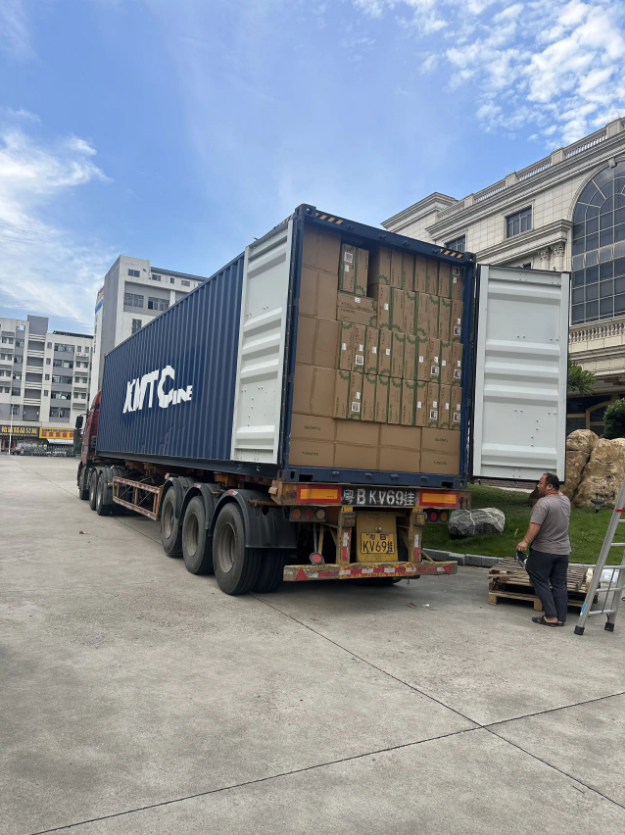
Shenglin Logistics is a well‑established cross‑border专线 operator focusing on European, Australian and New‑Zealand markets. Core strengths comprise custom oversized‑cargo transport and full‑chain Shenglin China to Latvia logistics DDP door‑to‑door solutions together with multi‑category sensitive‑goods compliant shipping, covering sea, rail, air‑freight and cross‑border trucking modalities. For Latvia‑related workflows: European dedicated‑line network covers major markets including Germany, France, Italy, Belgium and the United Kingdom. Latvia functions as a transit hub on trucking routes. Confirm direct destination‑country service availability with Shenglin before proceeding.Multi‑tier air‑freight products accommodate varied timelines and‑budget requirements, ranging from 6‑day express down to economy general‑goods service.Trucking resources utilise fleets operating in Belarus and Kazakhstan, with UPS / DPD executing final‑mile delivery. General‑goods European trucking initiates delivery 18‑25 days after departure.Compliance‑support services: EU EPR registration‑and‑declaration, professional HS‑code classification to identify potential compliance risks in advance.Domestic pickup services are available across multiple Chinese cities leveraging core gateway ports in Guangzhou and Shenzhen, with pickup nodes covering South and East‑China manufacturing heartlands.Disclaimer: Above capability summaries are extracted from Shenglin Logistics public documentation. Direct destination‑country service coverage for Latvia, exact timelines and quotations must be confirmed via official enquiries. This article does not constitute binding service commitments.
7. Decision‑Making Framework: Match Channels Against Cargo Profiles & Business Needs
7.1 Scenario 1: High‑value, small‑volume, time‑critical shipments
Prioritise air‑freight express tiers. Either 6‑Day Express or 6‑8‑Day Express fits urgent restocking. Higher unit freight may be offset by improved inventory turnover and secured sales‑window opportunities.
7.2 Scenario 2: Large‑volume, heavy‑weight shipments with flexible timelines
Evaluate cross‑border trucking or sea freight. Trucking starts delivery 18‑25 days post‑departure with lower per‑unit costs for planned replenishment. Choose sea freight for maximum cost savings if time pressure is minimal.
7.3 Scenario 3: Oversized and non‑standard cargo
Compare published oversized‑cargo specifications for air‑freight versus trucking. Air‑freight: max 990 Kg, 302×203×160 cm, min 68 Kg. Trucking: max 1.5 t per pallet, 400×220×210 cm. Select the channel whose hard specifications match your actual consignment.
7.4 Scenario 4: Sensitive‑goods shipments
Verify explicit acceptance scope of the prospective channel. Battery‑integrated items, cosmetics, food‑seasoning products and medical‑related goods demand providers with proven customs‑clearance resources; not all logistics channels can handle these categories.
7.5 Scenario 5: Requirement for DDP door‑to‑door and tax‑compliant workflows
Confirm whether your forwarder can offer genuine Latvian‑local clearance and VAT‑deferral support. If clearance is completed in a different EU nation, extra transit steps will alter both lead‑time and landed‑cost calculations.
8. Conclusion & Action Recommendations
There is no universal “best” answer for selecting transport solutions for China‑Latvia shipments. Your final choice depends on cargo specifications, timeline constraints, available budget and compliance prerequisites. Air‑freight delivers speed at higher cost; trucking provides economic performance with extended lead‑times. The core is to align your actual business requirements against real‑world provider capabilities for your China‑to‑Latvia door‑to‑door logistics. Before finalising cooperation, request the following supporting materials from candidate China to Latvia freight forwarder partners: Full‑breakdown transit‑time descriptions including each workflow phase plus force‑majeure handling rulesDetailed quotations showing billing logic and all supplementary or last‑mile surchargesClear clearance‑scheme explanation: clearance location, EORI handling and VAT‑deferral eligibilityLast‑mile delivery scope: carrier names (UPS / DPD etc.) and serviceability for private‑residential addressesFormal contractual clauses covering delay‑compensation and loss‑damage claim standards and processing cyclesShenglin Logistics can serve as one candidate option. Its European dedicated‑line network, multi‑tier air‑freight offerings, trucking resources and compliance‑support packages are valid evaluation dimensions. Nevertheless, exact destination‑country service coverage and pricing for Latvia must be confirmed directly with Shenglin, and Shenglin China to Latvia logistics DDP terms should be reviewed during enquiries.
Disclaimer: All service‑related descriptions are sourced from Shenglin Logistics public materials. Real service scope, routing, timelines and indemnity conditions are subject to formal written quotations. EU regulatory frameworks may undergo legislative revisions.
If you are assessing air‑freight or trucking options for Latvia‑bound cargo, please navigate to our Contact‑Us page and submit your cargo specifications for a no‑obligation professional assessment.
9. FAQ: Frequently Asked Questions for China‑Latvia Air‑Freight & Trucking
Q1: Which is better for shipments to Latvia, air freight or cross‑border trucking?
There is no one‑size‑fits‑all answer. Air‑freight suits high‑value, time‑sensitive shipments despite higher unit rates. Trucking delivers cost‑advantages for large‑volume cargo with relaxed delivery deadlines. Cargo dimension, weight, sensitivity and compliance requirements jointly determine your optimal China‑to‑Latvia door‑to‑door logistics solution from your selected China to Latvia freight forwarder.
Q2: Can both air‑freight and trucking handle oversized cargo for Latvia?
Yes, yet they operate different hard limits. Air‑freight max 990 Kg per‑piece; trucking supports pallets up to 1.5 tonnes. Always cross‑check dimensional and weight thresholds before booking underShenglin China to Latvia logistics DDP or alternative services.
Q3: Does trucking for Latvia always perform customs clearance inside Latvia?
No. Many China‑Europe trucking routes complete import clearance in Belgium or other Western‑EU hubs, with goods transiting onwards to Latvia. Confirm clearance location with your forwarder, as off‑site clearance adds extra transit time and potential extra fees.
Q4: What risks should I pay attention to for China‑Latvia trucking shipments?
Road‑based trucking is exposed to border‑congestion risks, winter‑season bad‑weather disruptions and geopolitical‑route fluctuations. Build reasonable time‑buffers into your planning; do not rely purely on ideal‑scenario quoted lead‑times.
Q5: Is VAT‑deferral available for imports entering Latvia?
VAT‑deferral mechanisms exist under Latvian tax law, subject to importer qualification and official‑authority rules. Your China to Latvia freight forwarder must verify eligibility on your behalf; DDP as an Incoterm does not automatically guarantee deferral access for China‑to‑Latvia door‑to‑door logistics.
Shenglin Logistics64
Mike | Sales Manager
T: +86 151702213
Email: mike@senlincargo.com | www.senlincargo.com
Service:
Australia & NZ: Sea / Air freight
EU & UK: Air | Sea | Trucking | Railway DDP
Specialize in door-to-door DDP shipping for oversized & general cargo