Merchants exporting Chinese seasonings have witnessed rising demand in Denmark and broader Nordic markets in recent years. Hot pot base sauces, compound condiment pastes and ingredients for instant meals maintain steady sales through local Asian supermarkets, catering supply chains and Chinese restaurant networks. However, many sellers hit major roadblocks once they prepare shipments. When enquiring with air freight carriers about food seasonings, most either decline service outright or only give vague replies stating “we can try it”, with no clear commitment. This pain point is common. Food seasonings are classified as sensitive goods in cross-border logistics and excluded from most standard general cargo air routes. As an EU member state, Denmark enforces EU-wide food import regulations plus local Danish customs requirements, creating higher entry barriers than ordinary cargo. Instead of simply asking “who has the cheapest rate”, exporters need answers to two critical practical questions: Is air freight for food seasonings to Denmark viable? If yes, how do you identify a trustworthy logistics channel?
1. Verify Feasibility: Four Core Assessment Criteria
Shipping food seasonings by air to Denmark is not a simple yes/no outcome. Shipment feasibility depends on satisfying four conditions simultaneously.
1.1 Cargo commodity properties
The EU maintains strict import oversight for seasonings, and product ingredients determine risk classification. Powders, liquids and high-oil seasonings follow different import procedures from products containing animal-derived ingredients such as meat, egg or dairy components. Goods with animal-source ingredients typically require approved export manufacturer status, official health certificates and border inspection checks, depending on the exact commodity formulation. Two products both labelled “seasoning” can face vastly different regulatory requirements: a plant-based hot pot base versus a compound sauce containing meat powder or chicken essence must be assessed separately by product type.
1.2 Channel qualifications
Check whether your logistics provider has hands-on experience handling sensitive air cargo and stable local customs resources in Denmark. Standard air freight operates under regular flights and standard clearance workflows. Sensitive goods require specialised flight capacity and dedicated customs pathways, which operate under fundamentally different processes.
1.3 Compliance documentation
EU import customs usually require commercial invoices, transport documents and certificates of origin. Food seasonings additionally demand correct HS code classification, ingredient statements and mandatory labelling including nutritional declarations for pre-packed food as required under EU law. Industry data shows mismatched commodity descriptions, incorrect HS codes, conflicting document information and missing food quarantine certificates are top causes of customs inspections and cargo detention. Resolving document shortages after goods arrive in Denmark multiplies both time and financial costs.
1.4 Destination market entry rules
Danish food authorities mandate authorisation or registration for food businesses. Entities distributing animal-origin food wholesale must hold valid authorisation numbers. Special food products must be pre-notified to the Danish Veterinary and Food Administration before market entry, including product names, ingredient lists, labels, producer and importer information. These rules mean the Danish importer or customs broker must hold the relevant registration and filing capabilities; ordinary customs brokers cannot handle these specialised food import requirements. Reviewing these four areas allows you to judge shipment viability and prepare the required paperwork before booking.
2. Sensitive Goods Air Freight: How It Differs From General Cargo
New shippers of sensitive air freight often assume all air freight lines function similarly with only price and transit time differences. In reality, operational gaps between general cargo and sensitive goods air freight matter far more than pricing differences.
General cargo air freight uses standardised workflows: booking, export customs, loading, destination standard clearance and delivery. The whole supply chain follows mature procedures, and providers compete mainly on space availability and pricing. For sensitive goods, the main challenge is not physical transport. The critical test lies in compliant customs clearance and seamless handover to last-mile delivery. Whether food seasonings can clear Danish customs and reach their final destination defines the real capability of any logistics provider.
Why are some low-cost channels cheap? In many cases, savings come from cutting corners in customs: using incorrect HS codes, skipping required quarantine certificates or utilising channels without food customs expertise. While freight costs appear lower upfront, inspection, detention, return or even destruction can create losses vastly exceeding the original savings.
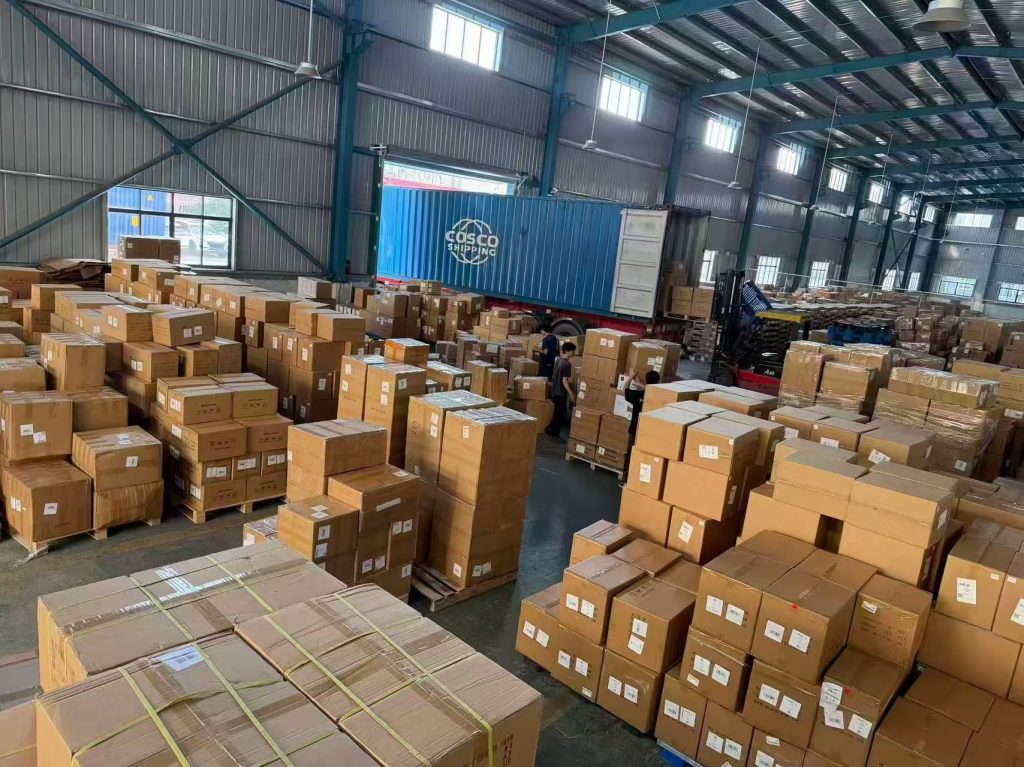
Shenglin Logistics states in public materials that its air freight channels accept sensitive goods including food and hot pot seasonings, with bundled DDP double-clearance tax-inclusive service and last-mile delivery. This type of provider delivers an integrated package covering transport, customs clearance and delivery, rather than selling flight space alone. Note that this reflects the brand’s stated capabilities; you must independently verify carrier qualifications and real operational performance for Denmark routes before formal cooperation.
3. Evaluating Reliability Through Transit Time & Cost Breakdown
Transit time and cost are essential benchmarks for assessing any China to Denmark air freight channel. Instead of only comparing headline numbers, verify that figures are transparent and fully explainable.
Break down the full transit timeline
A complete air freight chain covers domestic cargo collection, export customs clearance, air carriage, Danish import clearance and last-mile delivery. Clarify the duration of each individual stage. Some logistics providers advertise 5–7 working days for direct China-Denmark air routes and 7–9 working days for transshipment options. These figures are self-reported by carriers and serve only as market reference; confirm exact timelines with your selected provider. Most importantly, confirm the starting point for the transit guarantee: does the countdown begin from the day goods are handed over, or flight departure? Are timelines counted in working days or calendar days? These details determine whether the commitment can be enforced.
Itemise all cost components
Air freight pricing is more than a simple per-kilogram rate. Full costs include air freight, fuel surcharges, customs clearance fees, import duties and VAT (paid by the provider under DDP), plus last-mile delivery fees. When quoted an all-in price, ask which services are included and which will be charged separately. Denmark applies a standard 25% VAT on imports. Under DDP terms, the logistics provider pays this tax on your behalf and includes it within the quotation, so budget planning is essential. While the Danish government has proposed VAT reduction for food products, the effective date remains unconfirmed. Businesses should use the current standard tax rate for budgeting until final legislation passes.
Tiered transit product portfolio
Reliable providers normally offer multiple service tiers, letting exporters select solutions matching urgency and budget. Shenglin Logistics European air freight portfolio includes 6-day express, 6–8 day express and economy general cargo lines, with a separate 3–5 working day pickup express service for the UK. This tiered structure shows capacity planning for varied transit requirements. Remember that Denmark lane timelines must be verified separately and cannot be copied from UK or other European country schedules.
4. Compliance Support: The Dividing Line for Sensitive Air Cargo
The quality of compliance support often separates shipments that clear smoothly from those stuck in delays for food seasonings shipped to Denmark.
Value of DDP Delivered Duty Paid service
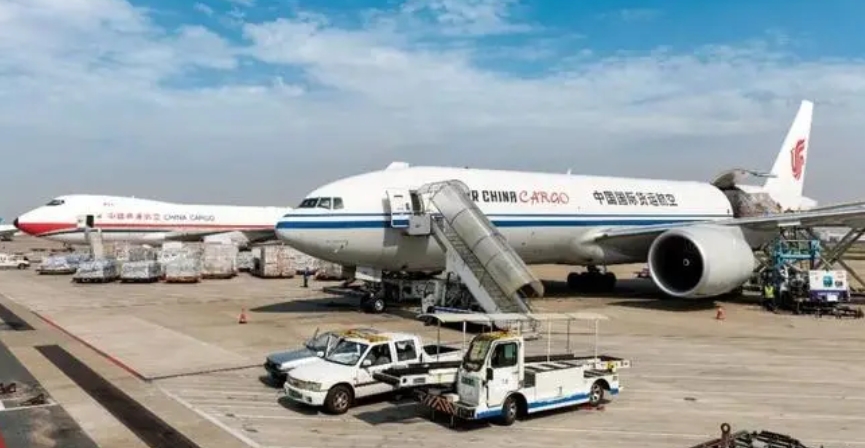
For seasoning exporters, DDP shifts customs and tax liability to the logistics provider. You do not need a Danish VAT ID or manage import clearance personally. This reduces compliance risk, especially for smaller exporters without a local EU entity. This benefit only applies if the provider owns genuine Danish customs capabilities instead of subcontracting the whole process.
Accurate HS code classification
HS classification for food seasonings directly impacts duty rates and regulatory controls. Hot pot base sauce falls under HS code 21039090 (other seasonings) under China customs rules, with associated regulatory documents and inspection-quarantine requirements. Misclassification may trigger rate discrepancies, inspections or penalties. Professional forwarders offer pre-shipment HS classification validation.
EU EPR packaging compliance assessment
EU EPR (Extended Producer Responsibility) applies primarily to packaging materials. Whether your seasoning product requires EPR registration depends on packaging material and local Danish implementation rules and must be judged per product. A provider offering EU EPR registration support demonstrates mature compliance infrastructure.
Special rules for composite food products
Under EU definitions, composite food combining plant ingredients and processed animal-origin components carries special rules. Animal-derived raw materials must originate from EU-approved establishments. Shelf-stable composite products usually require a private importer declaration. Recent EU amendments expanded the list of shelf-stable composite condiments and honey-containing seasonings exempt from routine border official checks. At the same time, quarantine rules for animal-source and composite food imports are continuously updated. Any seasoning containing animal ingredients requires verification of the latest entry requirements before export; historical experience cannot be relied on.
Shenglin Logistics publicly provides HS classification, EU EPR registration and DDP door-to-door services. These services serve as a reference checklist for what compliance support may include. Still, requirements must be verified individually for Denmark routes and seasoning products.
5. Checklist to Vet & Select Your Air Freight Forwarder
Use this checklist when enquiring with providers to confirm their capabilities:
- Cargo acceptance capability: Confirm explicitly if they accept food seasoning sensitive goods, rather than only stating they handle sensitive cargo. Request a clear confirmation tailored to your product ingredients instead of vague promises.
- Danish customs resources: Are customs services managed in-house or subcontracted? Who takes responsibility when issues arise? Subcontracted clearance increases risk of finger-pointing during disruptions, so clarify accountable parties.
- Transit commitments: What is the starting date of the transit guarantee? Working or calendar days? Are force majeure exclusions defined? Are pickup or delivery deadlines written into contracts?
- Claims & compensation rules: What are loss and damage claim standards? How long does claim settlement take? Are delay compensation mechanisms available? Confirm these terms before shipment, not after incidents occur.
- Service support: Is full shipment tracking available? Is there a dedicated account manager? Can real-time cargo status be monitored throughout transit?
Shenglin Logistics states nationwide door pickup, dedicated customer support, shipment tracking, delay compensation and standard loss/damage claim rules in public materials. These demonstrate baseline service benchmarks. Always independently verify the actual qualifications of any logistics partner and do not rely solely on marketing descriptions.
6. Align Logistics Solutions With Your Shipment Schedule
Returning to the core question: Can Chinese food seasonings be shipped by air to Denmark? Feasibility depends on matching four factors: commodity category, compliance documents, channel capacity and local customs resources. Stable shelf-life, purely plant-based seasonings have a higher chance of smooth clearance. Composite products containing animal-derived ingredients require extra approvals, health certificates and border inspection arrangements. There is no universal answer; assessment must be made per shipment.
A reliable logistics provider is not necessarily the cheapest option. The best partner delivers controllable customs clearance, predictable transit times and responsive support for exceptions. We recommend organising your product category, shipment frequency, ingredient lists, packaging details and HS codes first. Use the checklist above to interview providers. A forwarder who answers your questions clearly is often a better fit than the lowest bidder.
7. FAQ: China to Denmark Air Freight for Chinese Seasonings & Sensitive Food Cargo
Q1: Why are food seasonings treated as sensitive goods for air freight to Denmark?
Food seasonings fall under sensitive cargo due to liquid, powder or high-oil formulations. Denmark, as an EU nation, applies strict EU food import rules, including ingredient verification, food labelling and veterinary checks for animal-derived components. Standard general air freight channels do not support these specialised import requirements.
Q2: What is DDP service for seasonings shipped to Denmark?
DDP (Delivered Duty Paid) means the logistics provider manages export customs, Danish import clearance and covers import duty + VAT, delivering goods to your recipient’s address. It removes the requirement for sellers to hold a local Danish tax entity, ideal for exporters without EU local registration.
Q3: What documents are mandatory for importing Chinese seasonings into Denmark?
Basic documents include commercial invoice, packing list, airway bill and certificate of origin. Additional requirements include HS classification, ingredient specification sheets, compliant food labels and health/quarantine certificates for products containing animal-source ingredients.
Q4: Are hot pot base sauces allowed for air freight to Denmark?
Plant-based hot pot bases can be shipped subject to document compliance. If the formulation contains meat, egg or dairy powder, additional veterinary approvals and border inspection requirements apply. Every recipe needs separate pre-validation.
Q5: What risks exist when selecting low-cost sensitive cargo air freight channels?
Low-cost channels may cut corners by incorrect HS declaration or skipping quarantine paperwork. This can trigger customs detention, inspection fines, cargo return or destruction. Final costs can be many times higher than the freight savings gained initially.
Discuss your requirements for China to Denmark air freight of Chinese seasonings with our logistics specialists. Visit our Contact page and submit your cargo details for a custom quotation.
