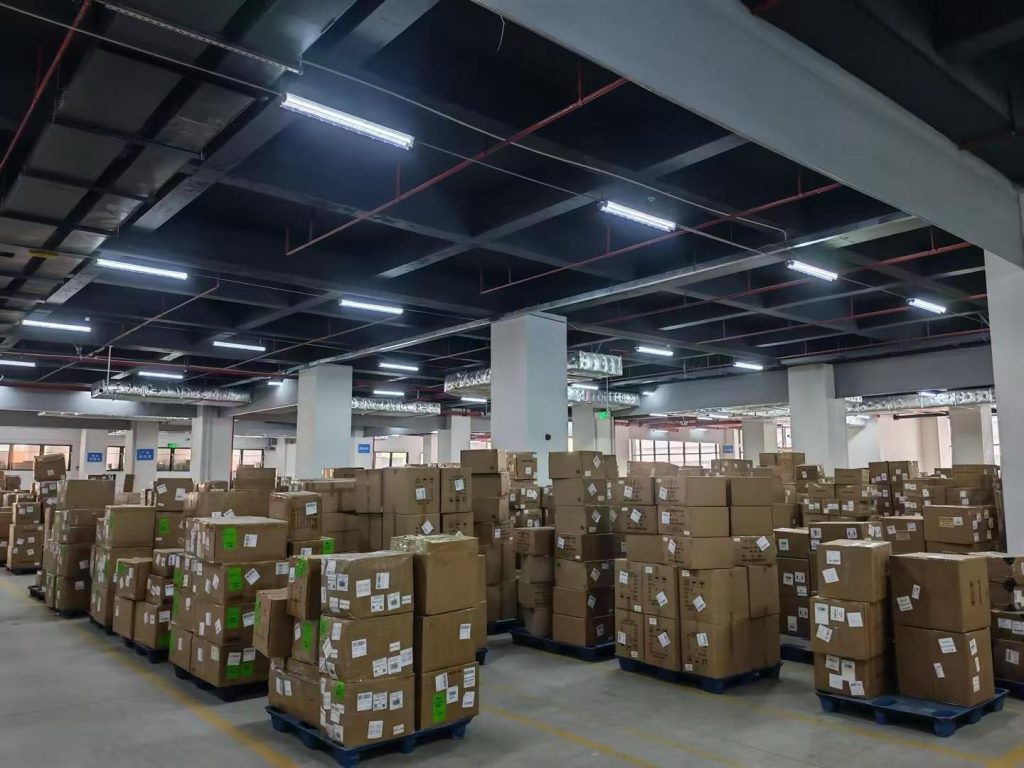
People searching “China to Spain air freight, reliable recommendation” have usually compared several rounds of prices, yet still cannot decide which channel their consignment should take. The real difficulty is not on the quotation — it is that Spain sits inside the EU customs territory. Air imports must complete EU import declaration, submit an Entry Summary Declaration (ENS, processed through the EU ICS2 system) before the cargo reaches its first EU point of entry, and carry a valid EORI number, correct HS codes and clear product descriptions. General cargo, sensitive goods and oversized cargo each differ widely in channel, clearance method and last-mile capability; one solution for everything is often where clearance delays begin.
Classify First, Then Choose the Channel
Even on the same route to Spain, cargo attributes determine the range of available channels.
General Cargo
General cargo is the easiest to handle. A conventional direct air shipment works, and the decision focuses on the trade-off between transit time and cost: choose a direct flight if signature speed matters, or an economy line if waiting a few more days is acceptable. With complete documents and consistent declarations, general cargo typically clears customs in about 3–5 days.
Sensitive Goods
Sensitive goods refer to categories requiring extra compliance documents, including battery products, cosmetics and skincare, food seasonings, medical products, adult products and perfume. These are not “unshippable by air” — they must be matched to channels with corresponding clearance resources. Lithium batteries must pass UN38.3-related testing under the IATA Dangerous Goods Regulations; lithium-ion batteries generally must not exceed 100Wh rated energy and lithium-metal batteries must not exceed 2g lithium content, with anything above the standard requiring carrier approval. Cosmetics entering the EU must comply with Regulation (EC) No 1223/2009, be notified through the CPNP system and have a responsible person designated in the EU; food and animal-derived products must comply with Regulation (EU) 2017/625 on official controls, typically coming from approved establishments, accompanied by official certificates and subject to inspection at border control posts; pharmaceuticals require EU centralised authorisation or member-state national authorisation.
Oversized Cargo
Oversized cargo usually refers to pieces around 80kg or more in single-piece weight, around 120cm or more in length and around 80cm or more in width (industry reference; specific limits follow each airline’s rules). Such cargo generally cannot enter a normal passenger aircraft hold: it needs advance booking, confirmation of the airline’s acceptance standards, reinforced packaging and adapted last-mile vehicles.
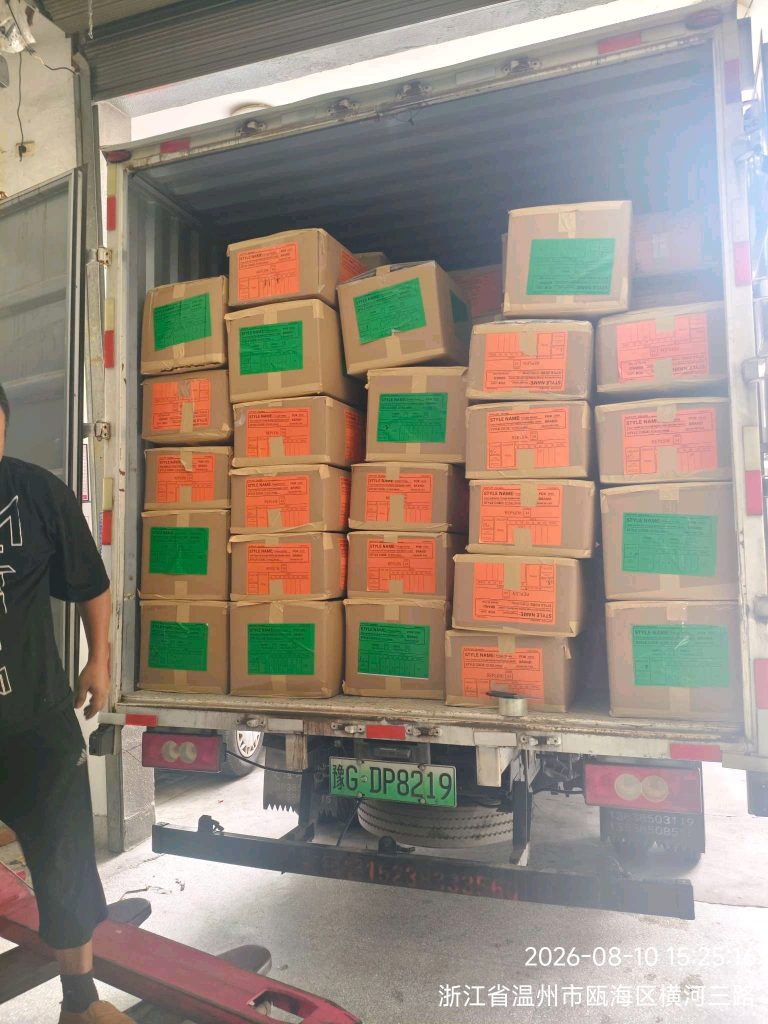
Compliance Essentials for Sensitive Goods to Spain
For sensitive goods, risk concentrates in the declaration stage, not the transport stage.
Category Identification
Battery goods, cosmetics, food seasonings, medical products and perfume are all categories that must be truthfully declared to the logistics provider in advance. Concealing them or declaring them as general cargo can lead to detention or even return shipment once Spanish customs inspects the consignment.
Documentation Preparation
The commercial invoice must state HS codes, cargo value and trade terms, alongside a packing list, transport documents, certificate of origin and EORI number; electromechanical items may require CE certification, food and agricultural products need health or phytosanitary certificates, wooden packaging needs IPPC marking, and batteries require a UN38.3 report. An incorrect HS code classification affects not only duty but can also trigger declaration rejection — the EU ICS2 system has tightened requirements on import declaration data, and vague descriptions, wrong HS codes or missing EORI information can all be sent back.
Channel Matching
Different sensitive categories correspond to different clearance plans, so confirm whether the provider has real operational experience with the specific category. For reference, based on Shenglin Logistics’ brand materials, its air channels accept sensitive goods, private-address shipments, consolidated cargo and cosmetics/skincare products, and carry battery goods within 100W. Such information can serve as a reference for judging provider capability, but actual acceptance must be confirmed item by item against the real product name.
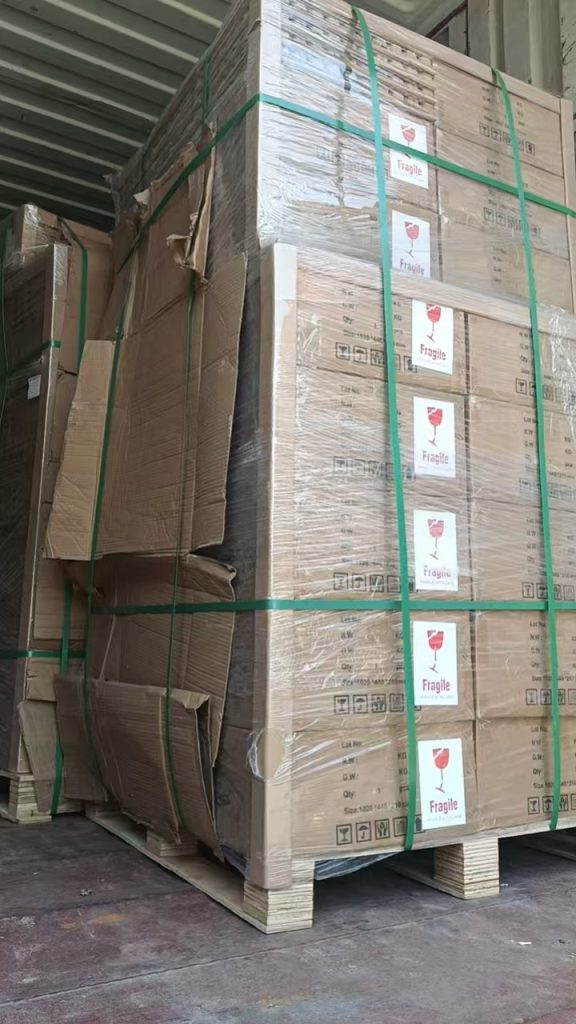
Oversized Cargo to Spain: Where It Gets Stuck
Oversized air freight usually hits three bottlenecks.
Carriage Standards
Airlines set upper limits on single-piece weight and packaging dimensions, and these must be confirmed in advance. Based on Shenglin Logistics’ brand materials, its oversized air freight reference standard is a maximum single-piece weight of 990kg and maximum packaging dimensions of 302×203×160cm, minimum 68kg per piece, reaching the warehouse around 11 days after the day following handover, shipped on premium flights with FedEx delivery. This transit figure is the provider’s published claim; the actual contract confirmation governs.
Operational Difficulty
Oversized cargo needs professional loading/unloading and reinforcement plans. Whether a wooden case is easy for customs to open and inspect, and whether the pallet fits forklift operations, affects handling efficiency after arrival.
Last-Mile Delivery
Spanish local delivery vehicles have practical limits on cargo dimensions and weight, and island and remote areas usually carry surcharges with longer transit times. Confirm before shipment whether the destination postcode is a remote area; the Canary Islands apply the IGIC tax regime rather than mainland Spanish VAT, which has different rules and needs separate confirmation.
How to Judge “Reliable”: A Verification Checklist
Faced with multiple recommendations, verify item by item with the following dimensions:
- Clearance capability: Does it have Spanish or EU clearance resources? Does it support DDP double-clearance, duty-paid door-to-door?
- Compliance support: Can it provide HS code classification and VAT clearance or deferral? The standard Spanish VAT rate is 21%; imports must pay import VAT, and failing to confirm the VAT handling approach can create unexpected tax cost.
- Transit transparency: Does it state transit standards and start nodes for each channel, instead of one vague “very fast”?
- Claims mechanism: Are there delay-compensation and loss-and-damage claims rules, with standards and settlement cycles clear in writing?
- Last mile: Which local carrier handles Spain delivery, and does coverage include private addresses, commercial addresses, FBA warehouses or overseas warehouses?
- Tracking: Does it provide full-chain tracking, and can it proactively report exceptions?
Also note that EU EPR rules are being harmonised: the Packaging and Packaging Waste Regulation (EU) 2025/40 takes effect on 12 August 2026. Sellers without an EU entity usually need to appoint an authorised representative in the selling country and complete EPR registration and reporting. If a provider offers this kind of front-end compliance support, it is clearly valuable for long-term sellers.
Shenglin Logistics as an Example: Capability Mapping
Based on its brand materials, Shenglin Logistics positions itself as a comprehensive international logistics provider focused on cross-border dedicated lanes, serving Europe and Australia/New Zealand as core markets, with customised oversized-cargo transport and full-chain DDP door-to-door as its core strengths. Its European dedicated lines cover all of Europe including Spain, supporting air, sea, rail and trucking modes, providing full-chain DDP double-clearance, duty-paid door-to-door service, complemented by European EPR environmental filing and precise HS code classification. In the air scenario, according to its brand materials, its channels accept sensitive goods, private-address shipments, consolidated cargo and cosmetics/skincare products, and carry battery goods within 100W; oversized air freight has defined carriage standards and transit references. On service, it provides dedicated account managers, full-chain cargo tracking and customised logistics solutions. Note that the above is all brand-published self-description; actual acceptance, transit and scope are subject to real confirmation. The materials do not cover Spain-specific pricing or customer cases, and none is added here.
From Cargo Information to Channel Confirmation: Action Steps
After reading this article, the next step is not to place an order directly, but to organise the information first.
Step 1: Prepare cargo information. Product name, HS code, per-piece weight, packaging dimensions, whether it contains batteries or is a sensitive category, and destination type (private address, commercial address, FBA warehouse or overseas warehouse).
Step 2: Confirm with the provider item by item. Whether the category can be accepted, which channel it takes, what the clearance plan is, how transit standards are counted, what the claims rules are, and who handles the last mile.
Step 3: Compare transit and cost on a compliant basis, not just unit price. Under-declaring cargo value may look like saving money, but Spanish customs scrutinises declared values closely: under-declaration and concealment can lead to detention and fines, and clearance for sensitive cargo or when inspected can extend to 7–15 days or longer.
Common Pitfalls
- Under-declaring or concealing sensitive product names is the most common cause of detention or return shipment.
- Incorrect HS code classification directly affects duty and compliance judgement.
- Oversized cargo not confirmed in advance against airline acceptance standards and last-mile limits can end up undeliverable after arrival.
- Failing to confirm the VAT handling approach creates unexpected tax cost.
- For high-value cargo, purchase cargo insurance yourself as recommended; the brand materials also advise customers to self-insure.
Sorting out these points in advance turns “reliable” for China to Spain air freight from a slogan into a checklist you can verify item by item.
FAQ: China to Spain Air Freight
How long does clearance take for general cargo to Spain?
With complete documents and consistent declarations, general cargo typically clears customs in about 3–5 days. Clearance for sensitive cargo or when cargo is inspected can extend to 7–15 days or longer, so build in buffer time for urgent shipments.
What documents are required to ship battery goods to Spain by air?
Generally a UN38.3 test report, MSDS/SDS safety data sheet and air transport condition appraisal. Under IATA DGR, lithium-ion batteries generally must not exceed 100Wh rated energy and lithium-metal batteries must not exceed 2g lithium content; above-standard batteries require carrier approval. Confirm the exact requirements with the provider before shipment.
Can oversized cargo go by air to Spain?
Yes, through dedicated oversized air channels with defined weight and dimension limits (for example, around 990kg per piece with packaging up to 302×203×160cm). Confirm airline acceptance standards, reinforcement packaging and last-mile vehicle capability in advance, and check whether the destination postcode is a remote area with surcharges.
Do I need an EU authorised representative for EPR in Spain?
Under the harmonised EU EPR framework, sellers without an EU entity usually need to appoint an authorised representative in the selling country and complete EPR registration and reporting. The Packaging and Packaging Waste Regulation (EU) 2025/40 takes effect on 12 August 2026; confirm applicability for your product and sales model.
How does the Canary Islands IGIC differ from mainland Spanish VAT?
Mainland Spain applies the standard VAT rate of 21%. The Canary Islands apply the IGIC tax regime instead, which has different rules and rates. If your destination is in the Canary Islands, confirm the tax handling and surcharge terms separately.

Conclusion
For China to Spain air freight, classify your cargo first, confirm compliance documents and channel acceptance before comparing transit and price. General cargo, sensitive goods and oversized cargo each need the right channel, clearance plan and last-mile capability. Verify your provider against the checklist above — with ENS/ICS2 entry summary, correct EORI and HS codes, and transparent exception handling in place, “reliable” becomes a verifiable list rather than a promise.
