When searching “which China to France air freight provider to choose”, most people’s first reaction is to compare who is faster. But sellers who have actually shipped will tell you that the difficulty in air freight selection is not speed itself — it is matching four variables together: transit tiers, cargo category, clearance mode and last-mile delivery. Even on the same route from China to France, a restocking best-seller, a beauty product containing batteries and an oversized industrial machine place completely different demands on the channel. The first needs “fastest pickup”; the second needs “accepts sensitive goods with compliant clearance”; the third needs “a solution when ordinary air freight simply cannot fit it”. Choosing by the single standard of “who is fastest” easily leads you to a line that does not fit your cargo type. A more practical framework is “transit tiers × applicable scenarios”. Before selecting, clarify three variables: cargo type — general cargo, sensitive goods or oversized non-standard pieces; transit tolerance — how many days of pickup delay you can accept and how late arrivals affect your sales rhythm; and clearance mode — whether DDP double-clearance, VAT clearance or deferral is needed. Once these three questions are answered, comparing each provider’s transit tiers and acceptance boundaries becomes meaningful.
Transit Tiers for China to France Air Freight: From 6-Day Express to Economy
From general industry practice, the air leg from China to France itself usually takes 1–7 days depending on the origin airport and airline, with Paris Charles de Gaulle (CDG) as the main entry point for France-bound cargo and common Chinese origins including Shanghai, Shenzhen, Guangzhou and Hong Kong. In other words, pickup, export declaration, clearance and last-mile delivery outside the air leg are where transit differences really widen. Taking Shenglin Logistics’ air products as an example, its European air service (including France-bound) operates multiple tiered products, broadly in four levels:
| Transit tier | Reference pickup time | Channel features | Last mile |
|---|---|---|---|
| 6-day express | Around 6 days pickup from the day after handover | Premium direct outbound flights; clearance and pickup on weekends and holidays | — |
| 6–8 day express | Around 9 days pickup from handover | Premium direct outbound flights, quick handover to back-end delivery | — |
| Economy general-cargo line | Reference transit 7–10 working days pickup | General-cargo line | UPS |
| Oversized air freight | Around 11 days to warehouse from the day after handover | Premium flights, minimum 68kg per piece | FedEx |
The oversized air carriage standard is a maximum single-piece weight of 990kg and maximum packaging dimensions of 302×203×160cm. The value of this tier is that ordinary air freight usually has clear per-piece weight and volume limits, and oversized cargo is often turned away — it needs a dedicated solution. Note that all transit figures above are reference values and exclude delays caused by customs inspection, flight cancellation and other force-majeure factors. Any air line involving clearance carries the possibility of inspection, and you should build that expectation into selection.
Which Transit Tier Suits Which Shipper: Matching by Cargo and Scenario
Transit tiers have no absolute superiority — what matters is which shipping scenario each corresponds to.
6-Day Express
This suits the most time-sensitive scenarios: stockout replenishment, new-product testing and high-value urgent shipments. What these cargoes share is that one late day hurts sales ranking or promotion rhythm, and shippers are willing to pay a premium for speed. The product uses premium direct outbound flights with clearance and pickup on weekends and holidays, cutting waiting caused by rest days.
6–8 Day Express
This suits routine e-commerce replenishment and orders with moderate transit requirements that can accept small fluctuations. It is faster than the economy line without being as tightly constrained at every link as the express tier — the middle option many sellers use for daily shipments.
Economy General-Cargo Line
This suits bulk general cargo with ample stock and cost-first priorities. Reference pickup is 7–10 working days, with last-mile delivery by UPS. For routine stocking that is not urgent to list, pressing logistics cost down with the economy line beats chasing speed blindly.
Oversized Air Freight
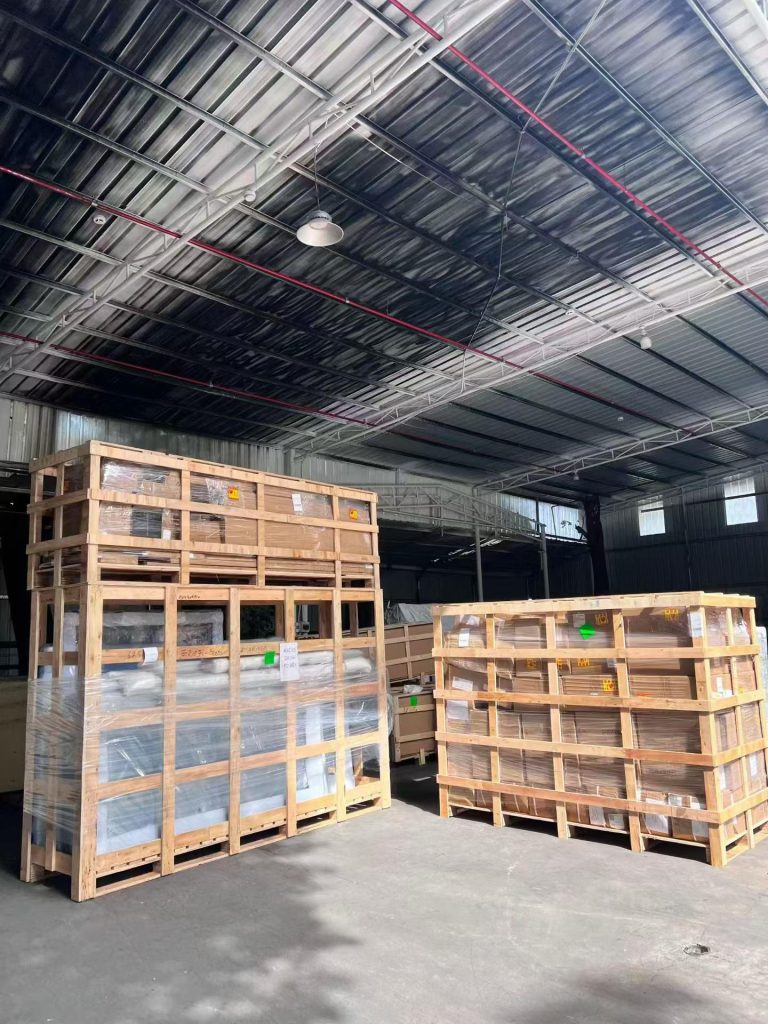
This suits non-standard cargo such as large furniture and industrial equipment parts where “sea freight is too slow and ordinary air freight cannot fit it”. Minimum 68kg per piece, up to 990kg per piece with packaging of 302×203×160cm, reaching the warehouse around 11 days from the day after handover, delivered by FedEx. This line addresses precisely the oversized air freight delivery bottleneck.
What to Check When Selecting an Air Freight Provider
Transit is only the entry point; what really shapes the shipping experience is the following capabilities.
Clearance Mode
Whether DDP double-clearance and VAT clearance or deferral are supported directly affects receiving experience and compliance risk. Under DDP, the provider handles transport, import/export clearance and tax payment, and delivers to the specified address; the seller mainly provides cargo information and the receiving address, skipping self-handled clearance. VAT deferral is an EU-recognised compliant clearance mechanism supported by France and other major European countries: its core is deferring the tax payment and offsetting it in the current-period return — it is not a tax exemption, a point that is often misread and should be understood in advance. The standard French VAT rate is 20%, with reduced rates of 10% and 5.5% applying to certain categories.
Last-Mile Delivery
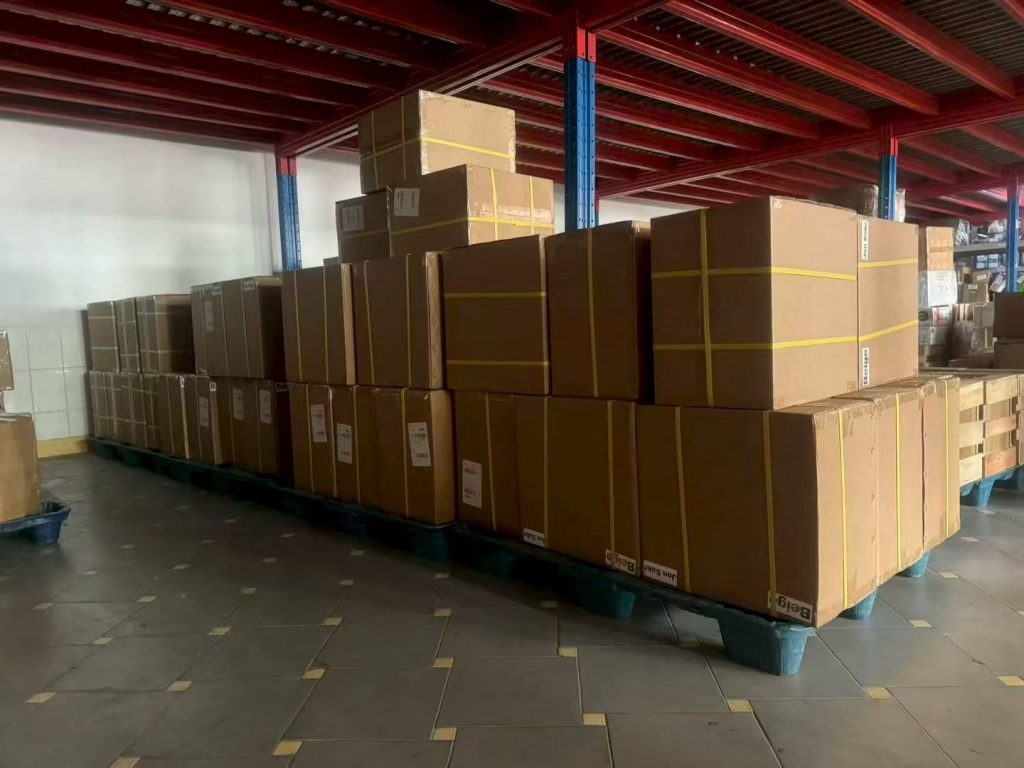
Which carrier handles delivery and which scenarios it covers determines whether cargo reaches the consignee after arrival. Confirm coverage of private addresses, commercial addresses, FBA warehouses and overseas warehouses. Requirements differ greatly across scenarios; private addresses are often harder to deliver than commercial ones.
Category Acceptance Boundaries
Ask how far general cargo, sensitive goods and oversized cargo can be accepted, including dimension and weight limits. For battery goods, the common statement is “battery goods within 100W carried”; for sensitive goods, acceptance of cosmetics/skincare products and consolidated cargo should be confirmed item by item. Electronic products exported to France must also meet EU certification standards, and cargo value should be declared truthfully to avoid customs inspection risk.
Transit and Claims Protection
Whether clear transit standards exist, whether a delay-compensation mechanism applies and whether loss-and-damage claims rules are defined only show their value when problems occur. Providers that set delay-compensation mechanisms on core air and trucking products and standardised loss-and-damage claims rules give more confidence in risk backstop.
Pickup Coverage
Whether nationwide door pickup across multiple cities is supported and whether your shipping origin is in range determines whether you deliver cargo to the port yourself or wait for the truck to come.
Compliance Support
Compliance for exporting to France covers more than clearance. French EPR rules require sellers of covered categories to complete reporting and obtain the unique identification number (UIN) issued by ADEME, covering packaging, electrical and electronic equipment, batteries, furniture and more; compliant product packaging usually also needs the Triman recycling logo and sorting instructions (Info-tri). If the provider can assist with these together, the seller’s coordination cost drops significantly.
Shenglin Logistics’ France Air Freight Capability Positioning
Based on brand materials, Shenglin Logistics’ capability in European air freight (including France-bound) can be summarised at several levels. Note that the following describes overall European air capability, with France covered as one of the European dedicated-line countries; channel matching for each individual consignment must still be confirmed against the actual cargo type.
- Complete transit-tier coverage: The air channel operates multiple tiered products covering a 6-day express, a 6–8 day express and an economy general-cargo line, so sellers choose the tier by cargo urgency instead of being forced into a single transit. Its UK air product adds a dedicated express line with pickup in 3–5 working days and signature around 6 days after handover, and an economy line delivering in 6–8 working days via DPD.
- Broad category acceptance: The air channel accepts various sensitive goods, private-address shipments, consolidated cargo and cosmetics/skincare products, carrying battery goods within 100W. For sellers of beauty and 3C battery categories, this acceptance means no need to find another channel for sensitive goods.
- Dedicated oversized air solution: Minimum 68kg per piece, up to 990kg per piece with packaging of 302×203×160cm, around 11 days to warehouse from the day after handover, on premium flights with FedEx delivery.
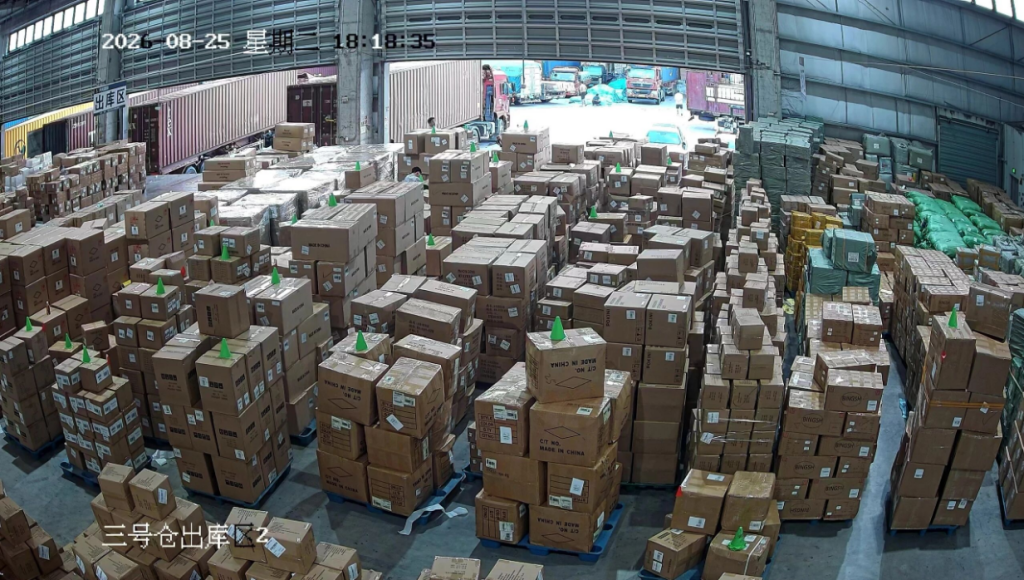
- Full-chain DDP door-to-door plus compliance support: From domestic pickup, export declaration and destination clearance to last-mile delivery, layered with European EPR environmental filing and precise HS code classification, forming a bundled delivery model. Its value is centralising multiple handover points into one window, lowering coordination and trial-and-error cost.
- Nationwide pickup: Built on core ports in Guangzhou and Shenzhen, supporting door pickup across multiple cities; origins outside port cities can still arrange pickup.
- Service assurance: One-to-one dedicated account managers respond end to end on shipping consultation, exception handling and progress updates; clear transit standards across channels and delay-compensation mechanisms on core products. High-value cargo is advised to be self-insured.
Decision Checklist: How to Choose China to France Air Freight
Fold the above into an actionable checklist.
Step 1: Define cargo attributes, dimensions and weight. Judge whether it is general cargo, sensitive goods or oversized, and measure per-piece weight and packaging dimensions. This step determines which channels are simply out of range.
Step 2: Set transit tolerance and budget range. Ask yourself: by which day must it be picked up at the latest? How much loss does a late arrival cause? How much are you willing to pay for it? The answers point directly at the express or economy line.
Step 3: Confirm whether DDP, VAT deferral and other compliance services are needed. If the consignee cannot handle clearance, or you do not want to handle tax filing yourself, DDP is more convenient; if the cargo falls into French EPR categories, confirm the filing and marking items as well.
Step 4: Verify pickup coverage, last-mile delivery scope and claims terms. Whether door pickup is supported at your origin, whether the receiving address is private or commercial, and how loss/damage and delay are handled must all be asked before shipping.
Step 5: Run a small trial shipment. Ship a small batch first to verify actual pickup transit, clearance smoothness and delivery experience, then scale up once stability is confirmed. For air freight, stability matters more than a single fastest record.
FAQ: China to France Air Freight
What is the fastest China to France air freight option?
The express tiers — for example, a 6-day express line with pickup around 6 days from the day after handover, using premium direct outbound flights with clearance and pickup on weekends and holidays. Actual transit is subject to the quotation and excludes customs inspection and force-majeure delays.
Is VAT deferral the same as a tax exemption for France?
No. VAT deferral is an EU-recognised compliant mechanism: import VAT is deferred to the current-period return and offset/deducted there — it is not exemption. The standard French VAT rate is 20%, with reduced rates of 10% and 5.5% for certain categories.
Can sensitive goods such as cosmetics and battery products go by air to France?
Yes, through channels with corresponding clearance capability. Providers such as Shenglin Logistics accept sensitive goods, private-address shipments, consolidated cargo and cosmetics/skincare products, carrying battery goods within 100W. Confirm your specific category and documents item by item before shipment.
How large can oversized air freight pieces be?
Dedicated oversized air channels typically carry from 68kg per piece up to around 990kg with packaging up to 302×203×160cm, with around 11 days to warehouse and FedEx delivery. Confirm the exact limits and last-mile vehicle capability with the provider.
Do I need French EPR registration and Triman marking?
If your product falls into covered categories (packaging, EEE, batteries, furniture and more), French EPR requires reporting and a UIN issued by ADEME, and compliant packaging usually needs the Triman logo and Info-tri sorting instructions. Confirm applicability for your product and sales model.
Conclusion
China to France air freight selection starts with matching four variables — transit tiers, cargo category, clearance mode and last-mile delivery. Classify your cargo, set your transit tolerance, confirm DDP or VAT deferral needs, then compare providers on acceptance boundaries, pickup coverage, claims terms and compliance support. Run a small trial shipment to verify stability before scaling. A channel matched to your cargo type, with real clearance capability and transparent protection, beats a single “fastest” record every time.
