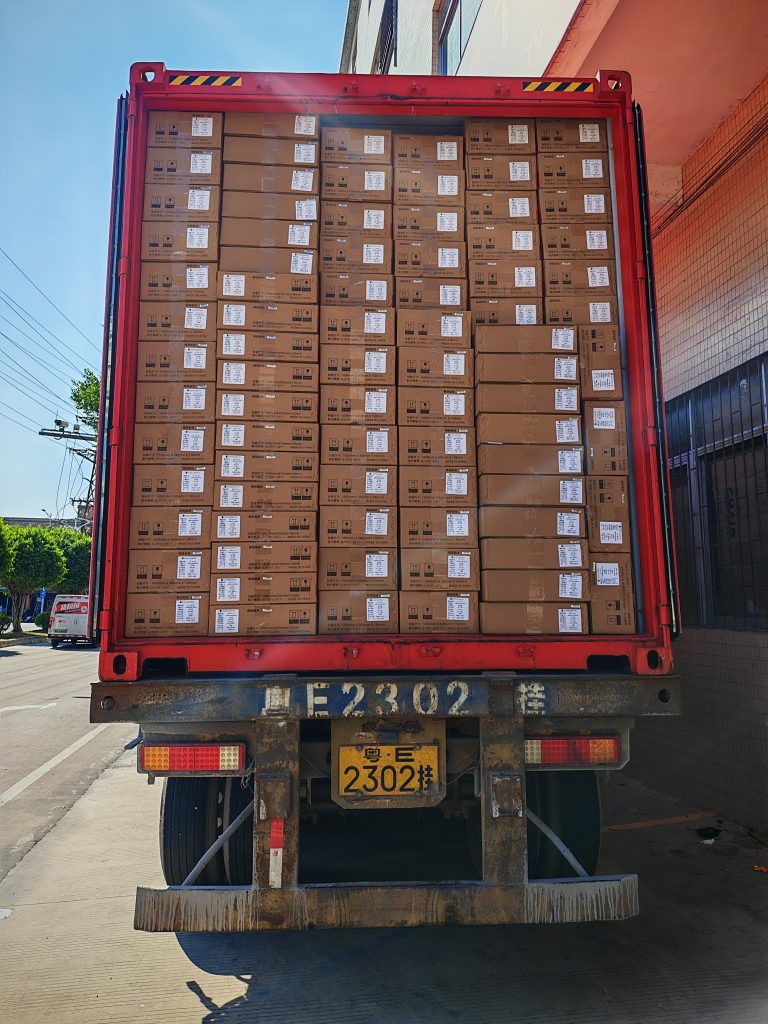
Restock arriving later than the sales cycle, and sea freight feeling too slow — that is the recurring problem for importers and wholesalers selling into Australia. Choosing a Shenzhen to Sydney freight forwarder really means choosing a stable logistics channel: air freight is fast but expensive, sea freight is cheap but demands stock coverage. This article sets out the transit times, service options and cargo fit for both lanes, so you can decide against your order rhythm rather than against a headline rate.
The Short Answer: How Air and Sea Compare
Shipping from factories in Shenzhen, Guangzhou and the surrounding region to Sydney, the two main lanes sit roughly two to three weeks apart:
- Mainland direct air freight: Sydney postcodes 1000-2999 are estimated at 6-8 natural days after take-off. Through overseas-warehouse or FBA channels, major Sydney warehouses run about 5-8 natural days.
- Sea freight: Sydney, Melbourne and Brisbane port arrival runs about 15-20 natural days, with door delivery typically 20-25 natural days after vessel departure.
In one line: air freight suits urgent replenishment and high-value goods, while sea freight suits routine restocking, heavy cargo and bulk volume. Between the two, combinations such as sea-truck and dedicated battery lanes balance cost against speed.
Channel Options in Detail
Sea Freight: FCL and LCL
FCL (full container load): suited to wholesalers and importers shipping large volumes per order. Direct sailings from South China ports to Sydney generally run 18-22 days at sea, subject to the carrier’s actual schedule. The advantages are controllable space, a lower unit cost, and cargo that stays independent rather than sharing a container.
LCL (less than container load): suited to small and mid-sized restocking. Taking Shenglin’s Australia sea LCL service as a reference, Sydney, Melbourne and Brisbane arrive in about 15-20 natural days, and Fremantle in about 20-25 natural days.
Two Delivery Terms for Sea Freight
FOB port-to-port: cargo is delivered to Sydney port, or to Melbourne, Brisbane or Fremantle, with clearance and last-mile delivery handled by the consignee or its agent. Suited to importers who already have a customs broker and warehouse in Australia.
DDP door-to-door: dual-end clearance with duty and GST included, delivered directly to a warehouse or overseas warehouse. Suited to wholesalers and brand owners who do not want to handle Australian clearance. On the sea-truck door delivery channel, Sydney, Melbourne and Brisbane run 20-25 natural days after departure, and Fremantle 25-30 natural days.
Air Freight: Mainland Direct and the Battery Lane
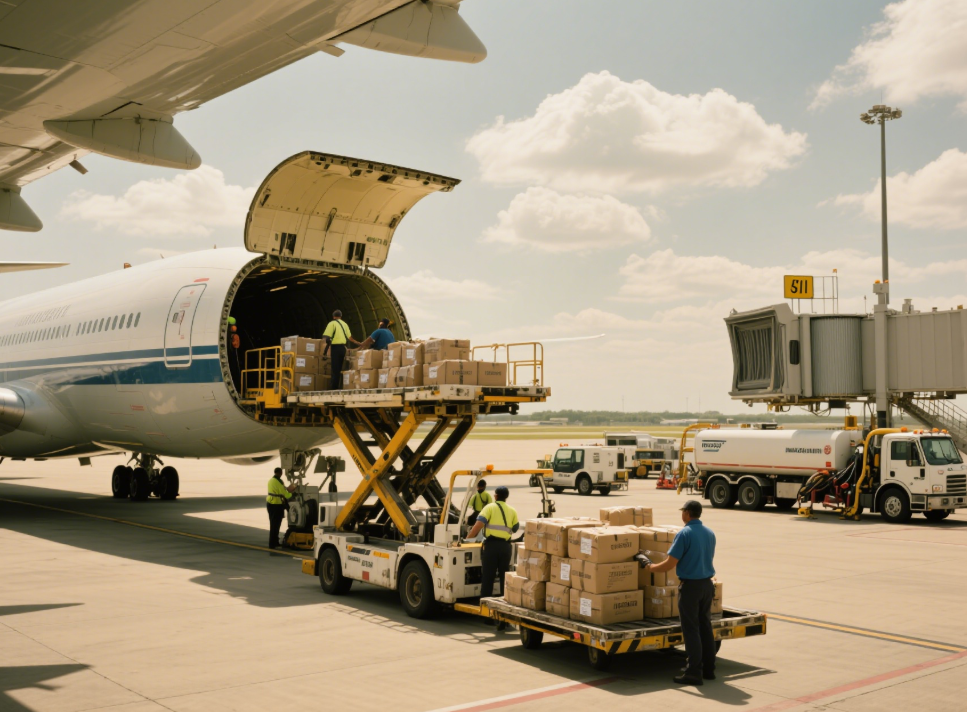
Mainland direct air freight: Sydney postcodes 1000-2999 and Melbourne 3000-3999 are estimated at 6-8 natural days after take-off; Brisbane and Adelaide 8-10 days; Fremantle and remote postcodes 8-12 days. Through FBA or overseas-warehouse channels, major Sydney and Melbourne warehouses run about 5-8 natural days, and Brisbane and Perth warehouses about 6-10 days.
Dedicated battery lane: built for battery-containing cargo. Sydney and Melbourne postcodes are estimated at 8-10 natural days after take-off, Brisbane and Adelaide 10-12 days, and Fremantle 10-14 days.
Hard restriction: under mainland trunk-flight regulations, mainland direct air channels are strictly prohibited from carrying battery-containing cargo. Battery and magnet goods must be declared to the forwarder in advance, or clearly marked as battery-containing at handover. Otherwise the airline may reject the shipment, potentially affecting the entire consignment.
Oversized Cargo: Trucking Thresholds and Free Limits
For oversized cargo moving by sea-truck door delivery, there are clear thresholds within which oversized surcharges are waived:
- Sydney, Melbourne and Brisbane: single-piece length, width and height within 220 x 150 x 180 cm, and chargeable weight of 800 kg or less, qualify for no oversized surcharge.
- Perth: single-piece within 200 x 120 x 160 cm, and chargeable weight of 600 kg or less.
Beyond these ranges, an oversized surcharge applies, or a custom solution with crane-assisted delivery is required. If you ship large furniture or fitness equipment, check the dimensions before dispatch — it can save a meaningful amount in destination charges.
Transit Time Reference (Shenzhen and South China Origin)
| Channel | Destination | Transit |
|---|---|---|
| Sea LCL to port | Sydney, Melbourne, Brisbane | 15-20 natural days |
| Sea LCL to port | Fremantle (Perth) | 20-25 natural days |
| Sea-truck DDP to door | Sydney, Melbourne, Brisbane | 20-25 natural days after departure |
| Sea-truck DDP to door | Adelaide | About 30 natural days |
| Sea-truck DDP to door | Fremantle and remote postcodes | About 35 natural days |
| Mainland direct air | Sydney, Melbourne | 6-8 natural days after take-off |
| Mainland direct air | Brisbane, Adelaide | 8-10 natural days |
| Mainland direct air | Fremantle and remote postcodes | 8-12 natural days |
| Air to overseas warehouse or FBA | Sydney, Melbourne warehouses | 5-8 natural days |
| Air to overseas warehouse or FBA | Brisbane, Perth warehouses | 6-10 natural days |
| Dedicated battery lane | Sydney, Melbourne | 8-10 natural days |
Note: The figures above are normal reference ranges. Peak-season space pressure, customs inspection and weather can all cause delays. The live channel quoted at the time of enquiry governs.
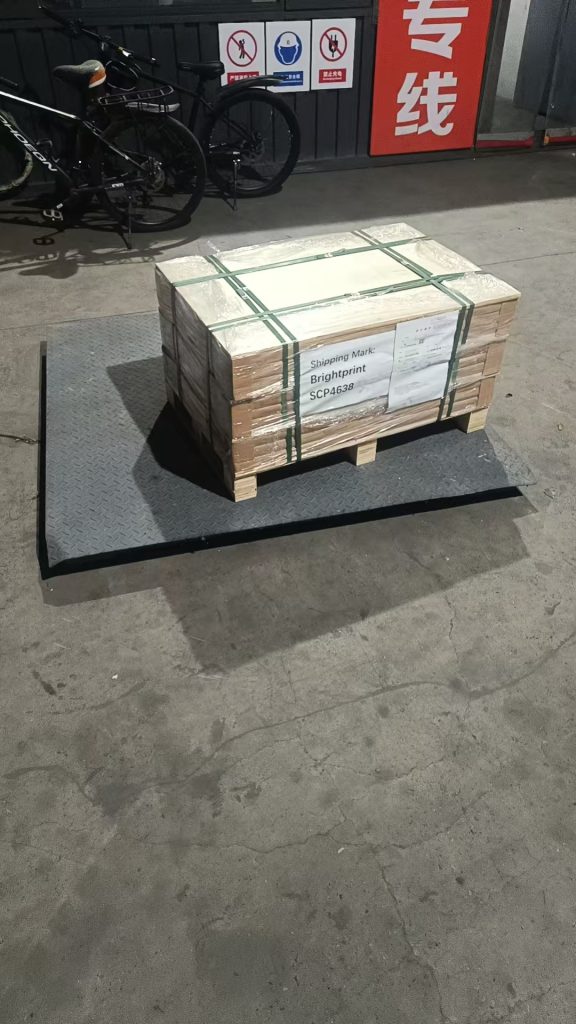
How to Choose a Shenzhen to Sydney Forwarder: Three Tests
Match the Channel to Your Order Rhythm
- Stock covers more than a month: take sea freight, which gives the best cost.
- Stock runs out within two weeks: top up with one mainland direct air shipment while booking sea freight in parallel.
- New product testing or high-value goods: go straight to air freight, moving stock in and out quickly to reduce capital tied up.
Match the Delivery Term to Your Setup
Importers with Australian clearance capability and their own warehouse save money and keep control with FOB port-to-port. Those without a local clearance team, or who want cargo delivered straight into an overseas warehouse, are better served by DDP door-to-door, where duty and clearance are handled by the forwarder.
Match the Channel to Your Cargo Type
General cargo can move by sea or air. Battery and magnet goods must use the dedicated battery lane or a compliant channel with prior declaration. For large furniture and equipment, confirm the trucking dimension threshold first, then decide between FCL and LCL.
One further point: under the China-Australia Free Trade Agreement, goods meeting China-origin rules can access preferential rates with a ChAFTA Certificate of Origin, reducing part of the Australian import duty. The concession does not apply automatically — a compliant COO must be presented at clearance, and the agreement rate differs by HS code. Some categories receive only partial relief rather than zero duty. Complete documents are what keep clearance smooth on arrival.
Our Advantages
- Stable vessel space: fixed weekly allocations on the Sydney, Melbourne and Brisbane mainlines, with long-term customers prioritised in peak season. Space on the China to Australia market fluctuates heavily, so reliable departure is what B2B customers value most.
- Multi-port pickup: door collection in Shenzhen, Guangzhou, Dongguan, Foshan and Yiwu, so factory deliveries do not require you to arrange inland transport.
- Document support: full assistance checking ChAFTA certificates, commercial invoices and packing lists, reducing the risk of clearance holds.
- Overseas warehouse connection: direct delivery to Australian self-built or third-party overseas warehouses and FBA warehouses, with split-warehouse distribution to support local wholesale and brand distribution.
Who This Service Suits
- Established importers: you have a regular customs broker and ship FOB port-to-port; we secure space and keep arrival timing stable.
- Wholesalers: you restock in volume to your own or an overseas warehouse; sea DDP removes local handling and keeps cost predictable.
- Brand owners and large independent-store sellers: you combine air and sea replenishment, using air to protect timing in peak season and sea to control cost in normal season, so stock never gaps.
Frequently Asked Questions
Q1: How long does Shenzhen to Sydney sea door-to-door take?
About 20-25 natural days after vessel departure, covering Sydney postcodes 1000-2999. Remote postcodes take longer, so confirm against your specific postcode.
Q2: Is the price gap between air and sea large?
The air unit rate is usually several times that of sea freight, which suits urgent replenishment and high-value goods. Sea freight is charged by cubic metre or by container and suits bulk routine restocking. Using both lanes together is the usual recommendation.
Q3: Can battery products move on mainland direct air freight?
No. Mainland trunk flights strictly prohibit battery-containing cargo. Battery products must use the dedicated battery lane and must be truthfully declared at handover. Concealment risks the entire consignment being held.
Q4: Are there extra charges for large furniture by sea-truck?
For Sydney, Melbourne and Brisbane, single pieces within 220 x 150 x 180 cm and 800 kg chargeable weight avoid the oversized surcharge. For Perth the threshold is 200 x 120 x 160 cm and 600 kg. Beyond that, an oversized surcharge applies.
Q5: How do I choose between DDP and FOB port-to-port?
If you have Australian clearance and delivery capability, FOB gives the lower freight cost. If you have no local team, or the cargo goes straight into an overseas warehouse, DDP is simpler — but confirm exactly which duty and charges the quote covers, to avoid disputes over hidden costs.
Get a Real-Time Shenzhen to Sydney Quote
Transit and pricing move with the season, so the most reliable route is to enquire with your cargo type, volume or weight, and destination postcode in hand. Shenglin Logistics offers FCL, LCL, air and sea-truck solutions from Shenzhen to Sydney, covering Sydney, Melbourne, Brisbane and Perth, and door-to-door delivery across Australia.
Submit an enquiry and our Australia line consultant will return transit and pricing within one business day. Large-volume customers can request space reservation.
Disclaimer: Transit times in this article are reference ranges and are affected by sailing schedules, flights, customs inspection and weather. Australian import duty, GST and last-mile surcharges depend on actual declaration and delivery conditions. The terms stated in the written quotation prevail before shipment.
