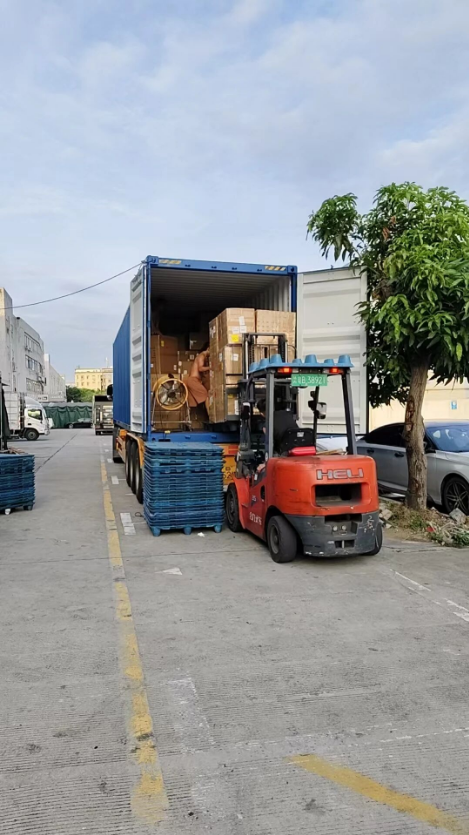
Anyone running a B2B import business has seen this: the same shipment, the same Guangzhou-to-Brisbane lane. One batch goes to a commercial address and clears smoothly. The next batch goes to a private home, and the last-mile charge jumps, with appointment scheduling and a second delivery attempt added on top.
The problem is rarely the cargo. It is the delivery address type. When comparing Guangzhou to Brisbane logistics providers, most buyers benchmark the main-carriage rate and skip the last-mile question entirely. This article lays out the channel options, the transit ranges and the address differences in one place, so you can lock cost and risk before you book.
Confirm the Channel First: FCL, LCL or Air Freight
Ocean freight is the main channel on the Guangzhou to Brisbane lane, with air freight filling the gaps. Start by separating the three modes.
FCL Sea Freight
If your volume fills a container, take FCL. Direct Guangzhou to Brisbane FCL door-to-door service runs about 12-16 days sailing time as a reference. The per-unit rate is lower, handling steps are fewer, and cargo-damage risk is comparatively small.
LCL Sea Freight
LCL suits loose cargo from a few cubic metres up to the low teens. Bulky furniture is commonly charged by cubic metre. With LCL, watch the destination deconsolidation time and the minimum billable volume.
Air Freight
Use air freight for high-value goods, light bulky cargo or urgent replenishment, charged on volumetric weight. Flight capacity into Brisbane is thinner than into Sydney or Melbourne, so some cargo requires transshipment.
As a forwarder operating China to Australia lanes, we ask three questions before quoting: cargo volume, volumetric weight, and whether the receiving address is a warehouse or a residence. Those three answers determine both the channel and the cost structure.
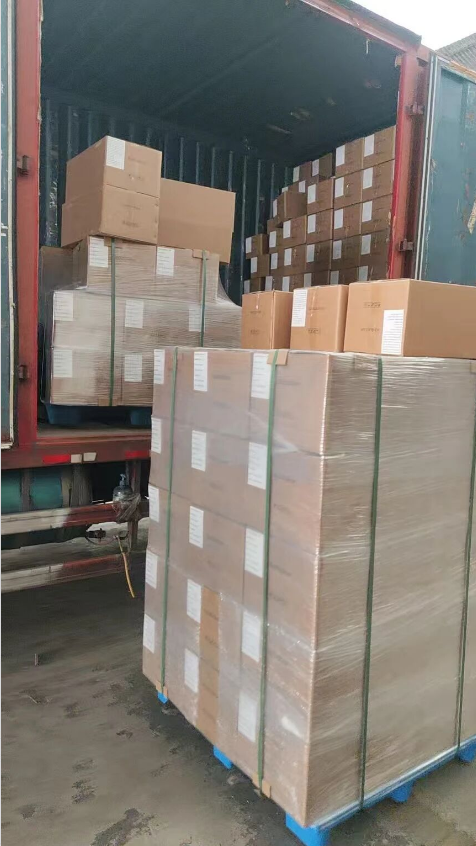
FOB Port-to-Port vs DDP Door-to-Door: How to Choose
The same channel carries different responsibility splits, and those splits change both price and risk.
FOB Port-to-Port
- You handle China export clearance, or your factory does it on your behalf; the forwarder handles the ocean leg and destination port operations.
- Import clearance, duty and GST are handled by the Australian consignee’s customs broker.
- Best suited to established importers who already have a customs broker, a warehouse, or a working knowledge of Australian import procedures.
DDP Door-to-Door
- Shenglin handles the full chain: door pickup, export declaration, ocean freight, Australian import clearance, duty payment and last-mile delivery.
- You receive one all-in door-to-door price, and your consignee simply receives the goods.
- Best suited to brand owners, wholesalers and any cargo owner who does not want to manage Australian clearance.
One point about DDP that is often overlooked: qualifying China-origin goods can reduce Australian import duty under the China-Australia Free Trade Agreement, supported by a Certificate of Origin (COO). The concession does not apply automatically — the certificate must be arranged before shipment. When choosing a provider, confirm they will actually help prepare the documents rather than hand you a vague “duty included” figure.
Transit Time Reference
| Service | Milestone | Reference Transit |
|---|---|---|
| FCL sea freight, direct | Vessel departure to Brisbane port arrival | About 12-16 natural days |
| LCL sea freight | Vessel departure to port arrival, subject to schedule | About 15-20 natural days |
| Sea door-to-door (DDP) | Vessel departure to delivery at door | About 20-25 natural days |
| Air freight | Take-off to Brisbane airport arrival | 3-7 natural days, subject to flight |
| Air door-to-door (DDP) | Includes clearance and delivery | Per provider quotation |
Note: These are industry reference ranges, affected by sailing schedules, vessel space, customs inspection and weather. Before signing, rely on the transit commitment written into the quotation — not a verbal “we guarantee it arrives in X days”. The same framework applies to our Sydney, Melbourne and Perth lanes: China to Sydney and China to Melbourne services benefit from denser flight and sailing schedules, so main-carriage connections are usually more flexible, while China to Perth is constrained by Fremantle routings and runs on a slower overall rhythm that should be costed separately.
Commercial vs Residential Delivery: Where the Real Difference Is
This is the core of the article, and the part that is often invisible on a quotation.
Commercial Addresses (Warehouses, Shops, Offices)
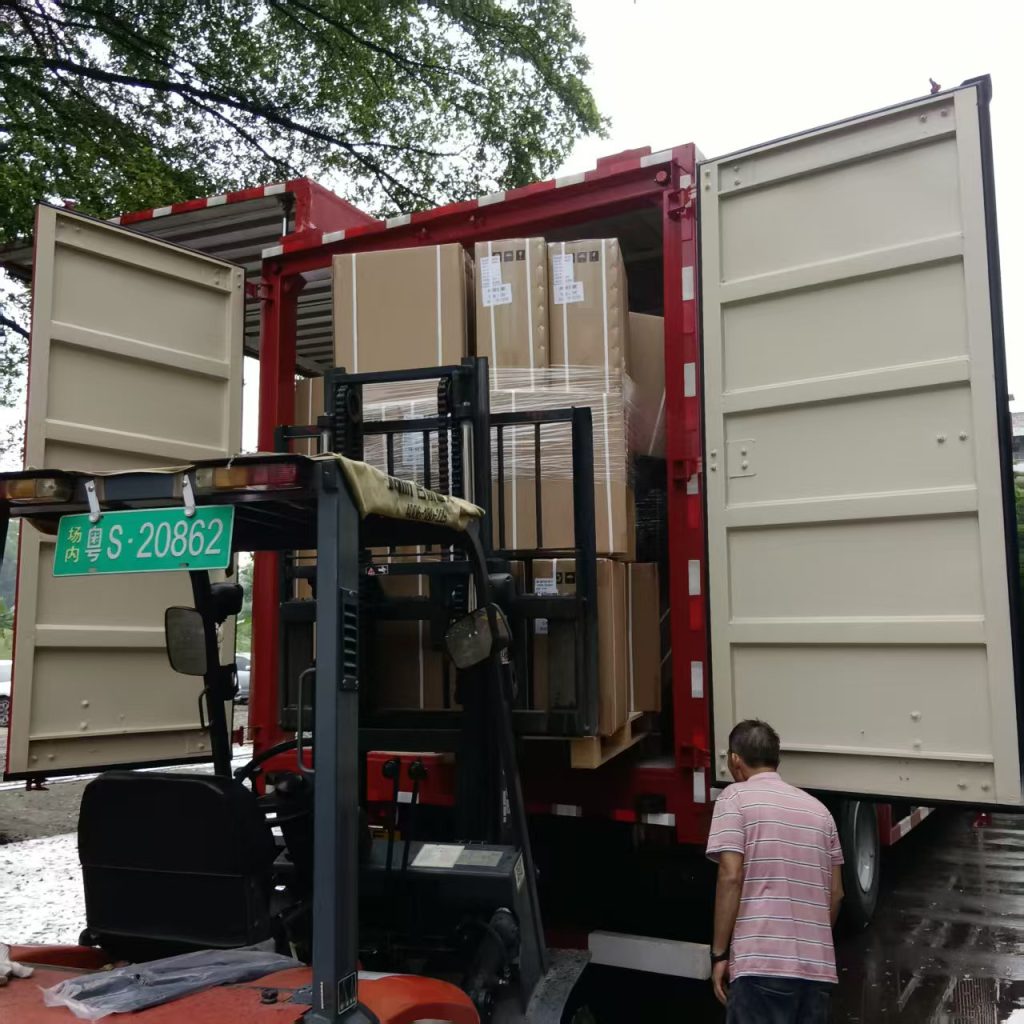
- Loading docks, forklifts or fixed receiving hours mean the last-mile truck can usually complete delivery in a single visit.
- Delivery cost is comparatively controllable and the appointment process is simple.
- Commercial districts generally allow large trucks, with no access restrictions into narrow lanes.
Residential Addresses
- Australian last-mile delivery to private homes generally costs more than to commercial addresses: narrow suburban roads, no unloading equipment, manual handling, and often a phone appointment requiring the resident to be present.
- Large or heavy items delivered to a home may need two-person delivery, a crane or a tail-lift truck, all charged separately.
- If the consignee is not home, a second delivery attempt is triggered and the cost keeps accumulating.
Remote Postcodes
- Most postcodes around Brisbane are served normally, but remote Queensland postcodes can trigger additional surcharges.
- Some dedicated trucking channels offer free oversized delivery within set per-piece dimension and chargeable-weight limits for cities such as Brisbane; cargo outside those limits moves to a custom solution.
Three steps to avoid the trap:
- Send the receiving postcode and full address to your forwarder before shipment, and ask for written confirmation of the last-mile charge.
- State the address type clearly: warehouse, shop or residence, and whether there is a loading dock or forklift.
- For bulky cargo, confirm per-piece dimensions and weight against the free trucking range, and lock pricing in advance for anything above it.
In short: get the address type wrong and the last-mile cost can differ by a wide margin. A reliable Guangzhou to Brisbane logistics provider asks these questions at the quoting stage, not after the cargo reaches port.
Our Advantages for B2B Wholesale Importers
- Stable vessel space: long-term carrier partnerships secure FCL and LCL allocations, so peak-season roll-overs are avoided.
- Multi-port pickup: door collection from factories in Guangzhou and across South China, with multi-port consolidation for cargo originating in East or North China.
- Document support: assistance with ChAFTA Certificate of Origin applications, plus early verification of ISPM-15 heat-treatment marks on wood packaging to avoid destination handling fees.
- Overseas warehouse connection: Australian local storage and distribution, so you can ship bulk by sea first and distribute locally afterwards to spread the per-unit cost.
- Transparent charges: address type, remote postcodes and oversized-cargo rules are confirmed in writing before booking.
Who This Service Suits
- Established importers: you already have a customs channel and ship FOB port-to-port; we secure ocean space and handle destination port operations.
- Wholesalers: you buy in FCL or LCL volume and need stable schedules plus warehouse distribution capability.
- Brand owners and large independent-store sellers: you ship DDP door-to-door and can receive goods in Australia without an in-house clearance team, with last-mile costs locked in advance.
Frequently Asked Questions
Q1: For delivery to a private residence in Brisbane, how much more does DDP cost than port-to-port?
The two are not directly comparable, because port-to-port excludes last-mile delivery entirely. Residential last-mile costs more than commercial delivery, and large items may require two-person delivery or a tail-lift surcharge. Send us the postcode and address type before shipment and we will confirm the last-mile charge in writing, so nothing is added after arrival.
Q2: What is included in the 20-25 day door-to-door sea transit?
Roughly 12-16 days from departure to port arrival on a direct FCL sailing, with the remainder covering destination port operations, customs clearance and last-mile delivery. LCL adds deconsolidation time. Inspection and schedule delays can extend the total, so the quotation governs.
Q3: How do China-origin goods reduce import duty?
A Certificate of Origin under the China-Australia Free Trade Agreement can reduce duty. The certificate must be arranged before shipment and does not apply automatically. We assist with the paperwork; confirm eligibility before dispatch.
Q4: Are there restrictions on delivering large furniture to a residence?
Yes. Some trucking channels set free oversized-delivery limits for Brisbane based on per-piece dimensions and chargeable weight. Beyond those limits, a custom solution such as a tail-lift truck or crane applies, charged separately. Send per-piece dimensions and weight before shipment and we will calculate in advance.
Q5: What should I check on wooden crates and pallets?
All solid-wood packaging must meet ISPM-15 heat-treatment standards and carry the compliant mark. Otherwise the cargo may face destination handling fees and delays. We verify packaging condition at the booking stage.
Get Your Brisbane Shipping Quote
By now the takeaway should be clear: when choosing a Guangzhou to Brisbane logistics provider, check three things — channel fit, last-mile address rules, and written cost confirmation.
If you have cargo ready to ship, send us the commodity description, volume or weight, receiving postcode and address type. We will return a written quotation within one business day, with FOB port-to-port and DDP door-to-door options side by side and every last-mile charge itemised. Submit an enquiry to lock in your next sailing.
Disclaimer: Transit times in this article are industry reference ranges and are affected by sailing schedules, flights, customs inspection and weather. Australian import duty, GST and last-mile surcharges depend on actual declaration and delivery conditions. The terms stated in the written quotation prevail before shipment.
