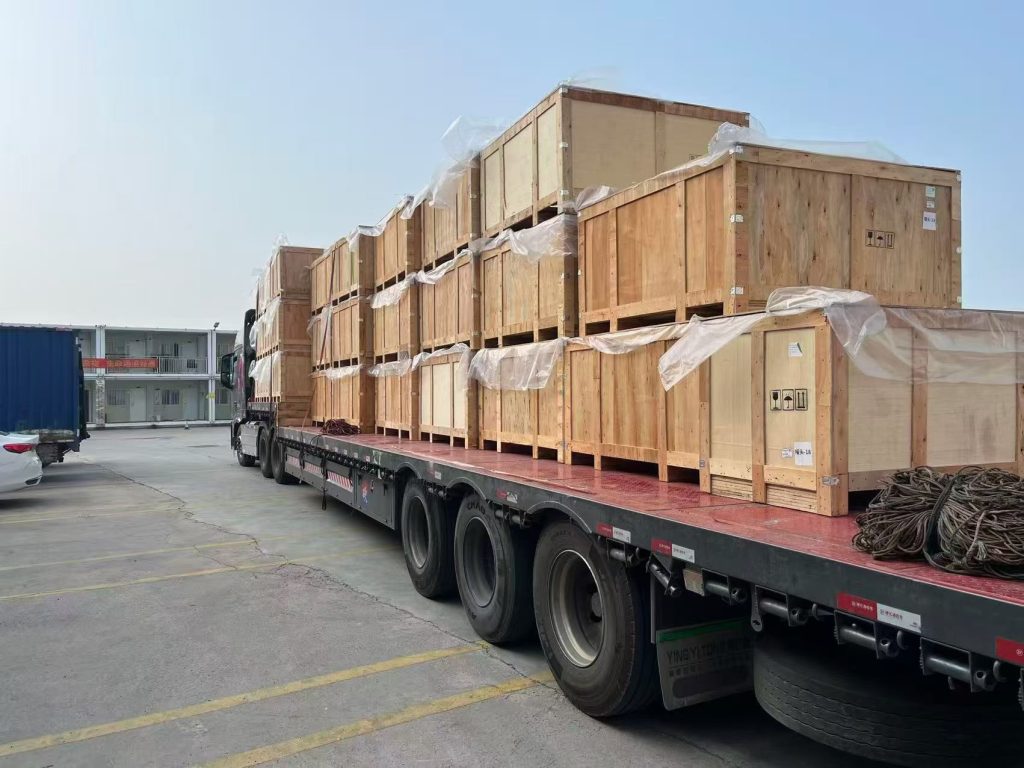
Three problems trip up B2B cargo owners shipping to Australia again and again: the restock window closes before cargo lands, clearance stalls at the biosecurity stage, and the door-to-door quote turns out to exclude an unloading charge. Choosing the right China to Australia forwarder is really about choosing the right channel structure, clearance model and cost definition. This article breaks down sea freight (FCL and LCL), air freight and trucking one by one, separating FOB port-to-port from DDP door-to-door, so you can calculate cost and transit properly.
Decide the Mode First: FOB Port-to-Port or DDP Door-to-Door
The difference between the two is not the transport mode; it is where responsibility ends.
FOB Port-to-Port
You, or your Australian consignee, handle destination clearance, duty payment and last-mile delivery. Suited to importers with their own customs broker and warehousing in Australia. The freight structure is transparent, but the risk and cost of the destination leg sit with you.
DDP Door-to-Door
The forwarder handles domestic pickup, export declaration, ocean or air freight, destination clearance and duty, and last-mile trucking to the warehouse. Under a duty-paid channel, taxes and charges are bundled into the quote. Suited to wholesalers and brand owners, especially those without local clearance resources in Australia.
One caution: a duty-paid arrangement normally covers an agreed value range and commodity scope. Cargo outside that range, or special categories, may require additional duty later. Clarify the definition before signing.
Sea Freight: How FCL and LCL Divide
FCL Sea Freight
Suited to wholesalers and importers whose single shipment fills a container. On China to Australia sea routes, the main origin ports cover Shenzhen, Ningbo and Shanghai, with destination ports mainly Sydney, Melbourne, Brisbane and Fremantle for Perth.
LCL Sea Freight
For volumes below a full container, charged by cubic metre. Based on Shenglin’s published figures, sea port arrival runs about 15-20 natural days for Sydney, Melbourne and Brisbane, and about 20-25 natural days for Fremantle. Door delivery runs about 20-30 natural days depending on the city. Industry sources indicate that China to Australia sea door-to-door generally takes 25-45 days, with inspection, biosecurity and peak season all capable of extending it, so build a buffer into your production schedule.
When selecting a China to Sydney or China to Melbourne forwarder, focus on whether LCL space is stable and whether containers get rolled in peak season. For China to Brisbane channels, confirm destination port operations and delivery capability.
DDP Sea-Trucking: The Answer for Large and Oversized Cargo
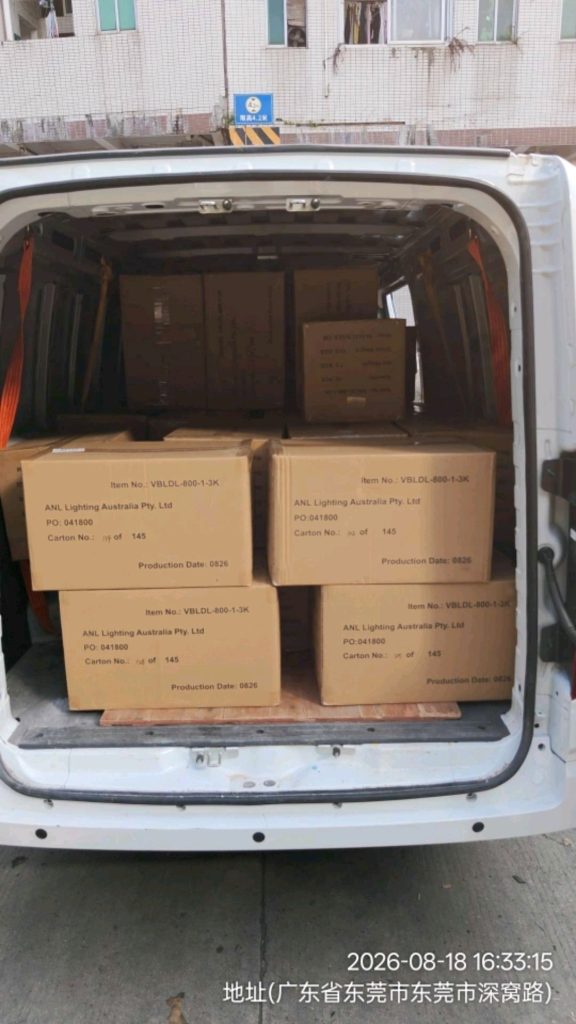
Door-to-door sea freight plus local Australian trucking is the mainstream solution for bulk B2B cargo. On Shenglin’s Australia trucking channel, Sydney, Melbourne and Brisbane accept single pieces up to 220 x 150 x 180 cm with chargeable weight of 800 kg or less; Perth accepts 200 x 120 x 160 cm with chargeable weight of 600 kg or less. Within those limits, the oversized surcharge is waived and the landing unloading fee is included. Pieces beyond the limits move to a custom solution or crane-assisted delivery, assessed separately.
Air Freight: Replenishment and Battery Goods
Air freight suits high-value categories and urgent replenishment. Public logistics sources put China to Australia air freight at about 7-12 days. On Shenglin’s published air figures, Sydney and Melbourne run about 6-8 natural days after take-off, Brisbane and Adelaide about 8-10 days, Perth and remote areas about 8-12 days, and the dedicated battery lane about 8-14 days.
Air channels generally distinguish mainland direct flights from Hong Kong or Korea transshipment. Mainland flights apply strict controls to battery cargo, so battery products must be declared in advance or routed through Hong Kong transshipment or an equivalent channel. Before shipping, always confirm whether the goods contain batteries or magnets and tell the forwarder in advance; this is the most common cause of air freight rejections.
When selecting a China to Perth or China to Adelaide forwarder, watch the remote-area surcharge and the last-mile coverage, and confirm both at the quoting stage.
Transit Time Comparison
| Channel | Destination | Reference Transit |
|---|---|---|
| Sea to port | Sydney, Melbourne, Brisbane | About 15-20 natural days |
| Sea to port | Fremantle (Perth) | About 20-25 natural days |
| Sea to door | Sydney, Melbourne, Brisbane | About 20-30 natural days |
| Sea to FBA | Sydney, Melbourne, Brisbane warehouses | About 20-25 natural days |
| Sea to FBA | Perth warehouse | About 25-30 natural days |
| Air | Sydney, Melbourne | About 6-8 days after take-off |
| Air | Brisbane, Adelaide | About 8-10 days after take-off |
| Air | Perth and remote areas | About 8-12 days after take-off |
| Dedicated battery lane | Major Australian cities | About 8-14 days |
Note: These are Shenglin’s published reference transit times in natural days. Actual timing depends on inspection, biosecurity and sailing or flight conditions.
Clearance Points for Shipping to Australian FBA
Australian FBA warehouses only receive inventory; they do not handle import clearance. FBA shipments normally require DDP prepaid duty or a separate clearance arrangement, and the clearance and duty responsibility must be confirmed with the forwarder before dispatch. Major Australian FBA warehouses include BWU1 and BWU2 in Sydney, MEL1, MEL5 and XAU1 in Melbourne, BNE1 in Brisbane and PER4 in Perth. They sit in different regions, so trucking must be planned around the actual warehouse address.
Duty Optimisation: Do Not Skip the ChAFTA Certificate
Under the China-Australia Free Trade Agreement, China-origin goods can access preferential duty with a ChAFTA Certificate of Origin (COO), and some categories are already at zero duty. The concession does not apply automatically; a compliant certificate must be presented at clearance. For goods meeting origin rules, arrange the COO before shipment. Some forwarders, Shenglin included, can prepare the certificate on your behalf, and it is worth confirming at the quoting stage.
Biosecurity: The Step Australian Clearance Always Includes
Australian imports must pass biosecurity screening, with food, wood packaging and seeds drawing particular attention. Wood packaging that has not been fumigated may be ordered for treatment or even returned. Confirming packaging compliance before container loading costs far less than fixing it afterwards.
Our Advantages
- Stable vessel space: fixed sailing partnerships on sea freight, with LCL space prioritised in peak season to reduce roll-over risk.
- Multi-port pickup: direct factory collection across South, East and North China, with wing-body trucks loading on site and multiple shipments consolidated into one warehouse.
- Document support: ChAFTA COO preparation and assistance with battery and magnet declarations, putting compliance ahead of shipment.
- Overseas warehouse connection: delivery to Australian FBA warehouses, third-party warehouses and commercial addresses, with custom crane solutions for oversized pieces.
Who This Service Suits
- Established importers: mainly FCL FOB to port, needing stable sailings and destination port coordination.
- Wholesalers: mainly LCL and DDP trucking, valuing transparent per-cubic-metre pricing, waived oversized surcharges and included unloading fees.
- Brand owners: shipping to FBA or their own warehouse, needing DDP prepaid duty and one-stop clearance documentation.
Frequently Asked Questions
Q1: Where does the price difference between port-to-port and DDP door-to-door come from?
Port-to-port covers only the ocean leg, with clearance, duty and last-mile delivery handled by you. DDP includes pickup, dual clearance and delivery, with taxes bundled within the agreed scope. The gap is mainly clearance cost and trucking cost.
Q2: Sea door-to-door is quoted at 20-30 days, so why did my cargo take over 40?
Door transit is affected by sailing schedules, port congestion and Australian biosecurity inspection. In peak season or when a shipment is selected for inspection, timing extends; this is normal across the industry, so plan production against the upper bound.
Q3: Can battery products move by air?
Yes, but they must be declared in advance. Mainland direct flights apply strict controls to battery cargo, so Hong Kong transshipment or the dedicated battery lane is usually recommended. The exact routing depends on the battery type.
Q4: Does a duty-paid quote cover all taxes and charges?
Taxes and charges within the agreed value and commodity scope are bundled. If the declared value changes or special categories are involved, additional duty may be payable. Confirm the commodity scope and value definition before dispatch.
Q5: How does shipping to Perth differ from Adelaide?
Perth moves through Fremantle, with sea port arrival about 5 days behind east-coast cities, and trucking limits tighter at 600 kg per piece. Adelaide air transit is close to Brisbane, while sea freight usually transships through an eastern port. Remote surcharges for both should be verified at the quoting stage.
Submit an Enquiry for a Channel Quote
Send us these details: origin city, commodity type, piece count, volume and weight, whether batteries are involved, destination city or warehouse address, and clearance mode (FOB or DDP). Shenglin Logistics will quote separately for sea LCL, FCL, air and trucking, with reference transit for each. Oversized cargo is assessed for a custom solution. Quoting is free and the options are comparable, so you can work out the cost before you ship.
Disclaimer: Transit times in this article are reference ranges and are affected by sailing schedules, flights, customs inspection, biosecurity screening and weather. Australian import duty, GST and last-mile surcharges depend on actual declaration and delivery conditions. The terms stated in the written quotation prevail before shipment.