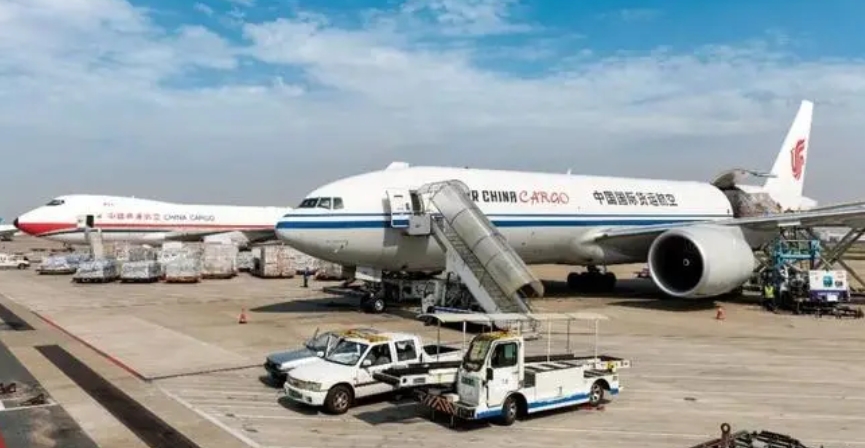
Lithuania is not the most familiar destination for Chinese cross-border sellers, yet it serves as a strategic hub to access the Baltic States, Northern and Eastern European markets. Major customs clearance and logistics resources are concentrated in Vilnius, Kaunas and Klaipėda. Kaunas Airport also functions as DHL’s regional aviation hub. Shipping cargo to Lithuania enables both local sales and distribution to neighbouring EU countries. The challenge is that China to Lithuania freight comes with notable complexities. Changes in bilateral relations have impacted direct air routes and block train capacity. Coupled with EU unified tax regulations, the compliance burden for importing goods into Lithuania has risen sharply. Many shippers struggle to find a reliable China to Lithuania freight forwarder that can combine air, rail, trucking and sea transport while handling local customs clearance and last-mile delivery for complete China to Lithuania DDP door-to-door service.
1. Typical Cargo Scenarios & Core Challenges for China to Lithuania Logistics
Common shipments moving from China to Lithuania fall into multiple categories: e-commerce parcels for Amazon, AliExpress and other marketplaces, B2B industrial hardware, large furniture & outdoor goods, and sensitive cargo including battery-powered products and cosmetics. Each category has vastly different requirements for transit speed, cost and customs compliance.
- Air freight dedicated line (DDP double clearance & tax inclusive to door): Reference transit time 7–15 days
- International express: Normally 3–5 working days
- Direct sea freight to Klaipėda Port: Around 30–40 days
- Sea freight via European hub transshipment: 45–55 days
Air freight delivers speed at a premium cost, sea freight is economical yet slow, while rail and trucking occupy the middle ground for specific use cases. Shippers relying on only one transport mode often face constant trade-offs between lead time and logistics expense.
Customs clearance represents the biggest variable. Non-EU importers shipping into Lithuania generally require an authorised local representative for customs procedures plus a valid EU EORI number. Lithuanian customs follows standard EU legislation, with main offices based in Vilnius, Kaunas and Klaipėda. If your forwarder merely books flight space without covering post-arrival clearance, tax filing and delivery, unexpected hidden costs and cargo detention risks will escalate quickly.
This redefines what a qualified China to Lithuania freight forwarder should deliver: securing cargo space is just the starting point; true capability means smooth arrival, compliant customs clearance and successful final delivery to consignees.
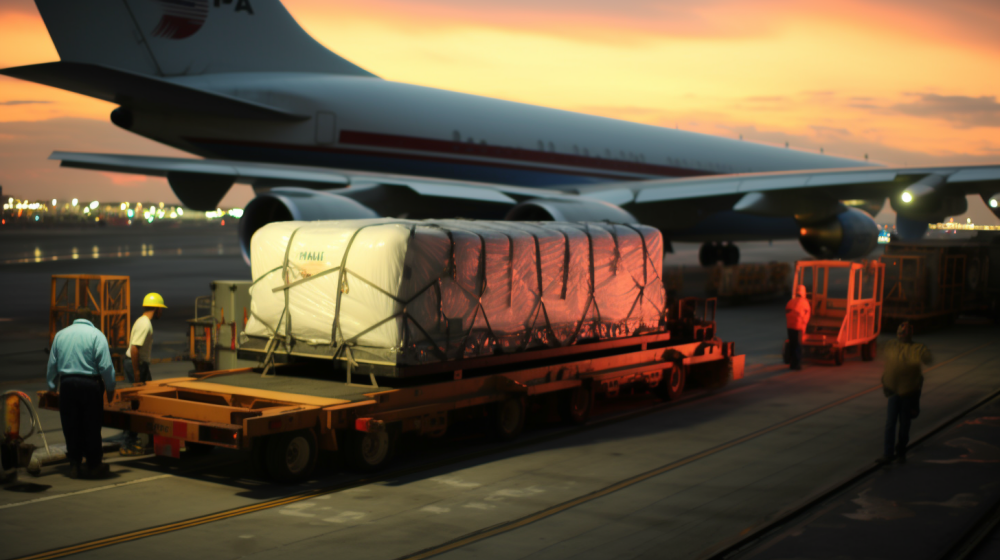
2. How to Evaluate a China to Lithuania Air Freight Forwarder: From Booking Cargo Space to Final Delivery
When assessing providers for China to Lithuania air freight, first verify foundational capacity: stable flight resources, flight frequency, and clear timelines from domestic pickup to warehouse handover. Most forwarders can provide basic answers here, but operational stability varies greatly. The real gap between suppliers lies in post-arrival performance, which breaks down into four core areas.
2.1 Destination Customs Clearance Capability
Lithuania customs clearance requires EORI registration and a local authorised representative. A forwarder familiar with these procedures drastically reduces the risk of port detention.
2.2 Last-Mile Delivery Network
Check coverage across Lithuania and neighbouring Baltic markets. Confirm deliveries extend beyond Vilnius to Kaunas, Klaipėda and remote residential or commercial addresses.
2.3 Acceptance of Sensitive & Special Cargo
Rules differ widely for batteries, cosmetics, food additives and other sensitive items. A forwarder limited only to general cargo forces you to source separate channels for special shipments.
2.4 Compliance & Cost Transparency
Ask whether the provider supports VAT postponement, HS code classification and EPR declaration. Clarify whether quotations include DDP tax, fuel surcharges and remote delivery fees before signing any cooperation agreement.
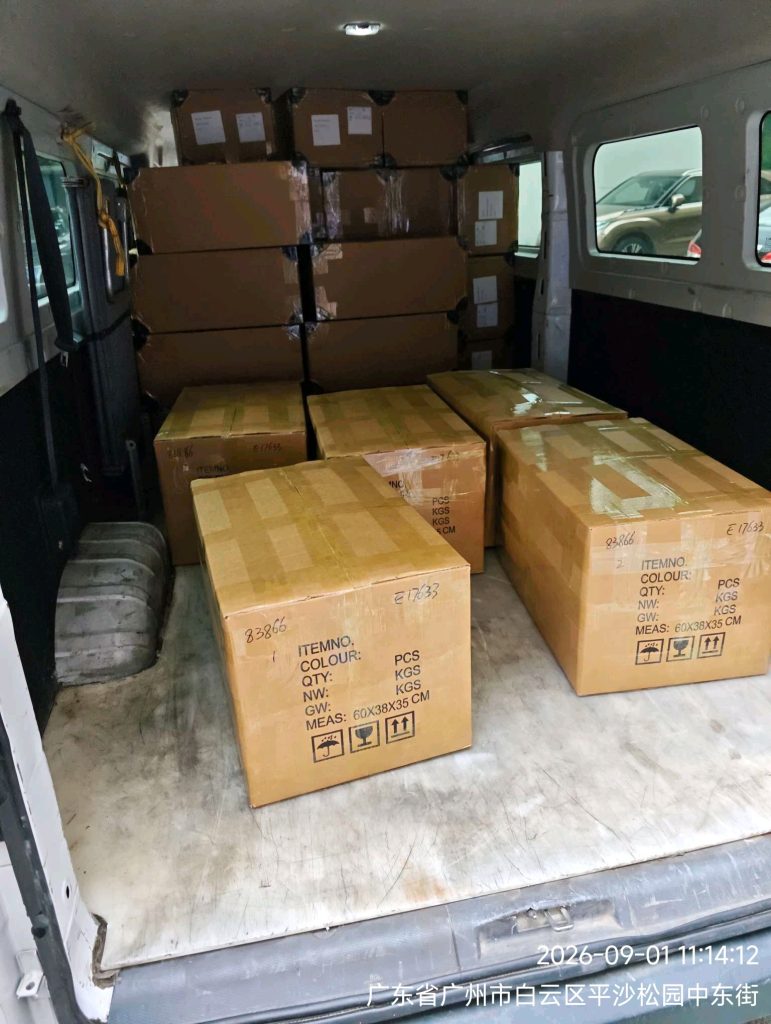
3. Multi-Modal Freight Strategy: Match Cargo Type with Suitable Shipping Modes
Multi-modal logistics is not simply stacking different transport options together; it means matching shipping solutions to your cargo characteristics and sales cycles.
- Air freight: High-value, time-sensitive, small-batch goods or new product restocks. Higher freight cost protects sales revenue and prevents stockouts.
- Rail & trucking: B2B orders with moderate lead time and cost sensitivity, especially oversized cargo.
- Sea freight: Massive low-priority bulk shipments such as heavy machinery, large furniture and outdoor construction supplies.
A common hybrid strategy combines air freight with overseas warehousing: ship new releases or bestsellers by air to warehouses in Lithuania or nearby Baltic nations, then replenish large inventory via rail or sea freight later. Lithuania can act as a transit hub to distribute goods across Northern and Eastern Europe instead of concentrating all inventory within a single country.
Be mindful that some China-Europe block train and direct air services face availability fluctuations. Certain rail routes transit through Malaszewicze to Lithuania with a quoted 18–22 day window, but actual lead times shift based on border conditions and train schedules and cannot be treated as fixed guaranteed timelines.
4. Practical Cost Optimisation: Shift Focus from Single Freight Rate to Total Supply Chain Cost
Cutting per-shipment freight charges is intuitive yet often ineffective. Logistics costs split into visible and hidden expenses:
| Cost Category | Details |
|---|---|
| Visible Costs | Base freight, fuel surcharges, customs clearance fees, last-mile delivery charges |
| Hidden Costs | Warehousing fees during detention, return handling, compliance fines, lost sales due to stockouts |
Many shippers select cheaper slower transport to save a small amount on freight, only to face cargo hold-ups. The resulting storage charges and lost revenue far outweigh the initial savings. Below are actionable optimisation tactics:
- Use China to Lithuania DDP door-to-door pricing to lock total landed costs, including customs duties and VAT, avoiding unexpected destination charges and currency fluctuation risks.
- Complete compliance declarations in advance. Proper HS classification and EPR registration reduce detention risks. The EU PPWR (Packaging and Packaging Waste Regulation) takes full effect on 12 August 2026, requiring advance compliance preparation for packaged goods.
- Match service tiers to sales cycles: use economy lines for non-urgent inventory and expedited air freight for time-critical shipments.
- Consolidate shipments to reduce unit logistics costs via shared containers or consolidated air pallets. Take care to avoid mixed cargo that triggers full-container customs inspections.
- Request tiered pricing and seasonal plans from your forwarder to lock pricing for different cargo volumes and peak seasons.
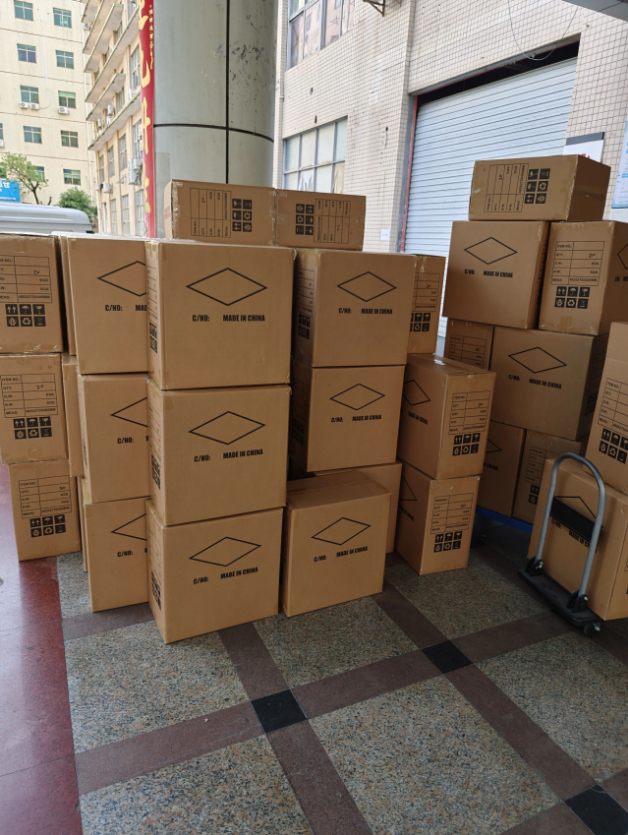
5. Shenglin Logistics Service Offerings for China to Lithuania Freight
Shenglin Logistics focuses on European and Australia-New Zealand markets, offering sea, rail, trucking and air transport options that can be combined for shipments bound for Lithuania. The company provides China to Lithuania DDP dedicated lines, including air freight services, FCL/LCL sea freight, door-to-door double-tax clearance and oversized cargo transport.
5.1 Air Freight Solutions
Shenglin offers multi-tier air freight products: 6-day expedited, 6–8 day expedited and economy general cargo lines. The channel accepts battery-powered goods, cosmetics and consolidated shipments, supporting battery items rated within 100W. The oversized air freight service accepts single pieces up to 990kg with maximum package dimensions of 302cm × 203cm × 160cm. Delivery to warehouse typically takes around 11 days starting from the day after cargo handover, with FedEx handling last-mile delivery; minimum weight starts at 68kg per piece.
5.2 Rail & Trucking Services
For European rail general cargo, delivery starts 25–30 days after loading, with UPS for final delivery. Oversized rail shipments use dedicated trucks at destination. Trucking general cargo starts final delivery 18–25 days after departure. Oversized trucking accepts pallets up to 1.5 tonnes with max dimensions 400×220×210cm.
5.3 Sea Freight & Compliance Support
Main sea routes take roughly 30 days at sea, with last-mile delivery commencing 35–45 days after vessel departure. Shenglin also provides EPR environmental registration and precise HS code classification to mitigate customs compliance risks. Domestic pickup is available across multiple cities, with major ports including Guangzhou and Shenzhen. Core services include guaranteed delay compensation and standard cargo loss & damage claim rules. All specifications serve as reference; verify channel availability and transit time with your logistics provider before every shipment.
6. Decision Checklist: Critical Questions to Validate Your Logistics Provider
Use this checklist during quotation enquiries and ask for written replies wherever possible:
- Is the quoted transit time a guaranteed commitment or reference estimate? What is the delay compensation policy?
- Does the quotation cover all surcharges? Does DDP pricing include Lithuanian import VAT? Are remote delivery, warehousing or address amendment fees excluded?
- Who holds customs clearance responsibility? What documents are required from me? Who arranges the EORI number and local authorised representative?
- Do you accept sensitive cargo and oversized shipments? Are there extra restrictions or surcharges?
- Can I track cargo full-chain? How frequently are tracking nodes updated?
- What are the claim standards and procedures for lost or damaged cargo? Cargo insurance is recommended for high-value goods.
Clear, concrete answers indicate mature operational workflows. Vague or evasive responses warrant caution.
7. FAQ: Frequently Asked Questions for China to Lithuania Freight
Q1: What tax rules apply for imports into Lithuania in 2026?
Lithuania applies a standard 21% VAT rate. The old VAT exemption for shipments under €22 was scrapped in July 2021. Starting on 1 July 2026, low-value goods under €150 will incur a €3 piece-based customs duty. All commercial imports require tax filing regardless of declared value, increasing the importance of DDP compliant channels.
Q2: Can Lithuania serve as a distribution hub for Baltic and Nordic markets?
Yes. Vilnius, Kaunas and Klaipėda form the core logistics cluster. Once goods clear customs in Lithuania, they can be redistributed to Estonia, Latvia and other nearby EU nations. Working with an experienced China to Lithuania freight forwarder simplifies cross-border redistribution.
Q3: Can I ship batteries and cosmetics to Lithuania via air freight?
Yes, subject to documentation requirements. Battery shipments need UN38.3, MSDS and transport identification reports. Cosmetics require relevant EU notifications and ingredient documentation. Shenglin’sChina to Lithuania DDP air freight line supports battery goods under 100W.
Q4: Which transport mode is best for large furniture and heavy industrial equipment to Lithuania?
For oversized low-urgency cargo, sea freight or European trucking are preferred options. If you need faster replenishment for high-value large items, oversized air freight channels can be considered, though freight costs will be higher.
Q5: What risks should I watch out for with China-Europe rail to Lithuania?
Rail timelines can fluctuate due to border inspections and operational scheduling. Always confirm the latest transit estimate and contingency plan with your forwarder before booking, and avoid relying solely on quoted reference timelines as binding guarantees.
If you want to discuss a custom multi-modal logistics plan for shipping to Lithuania, please navigate to ourContact page to share your cargo specifications and request a no-obligation assessment.