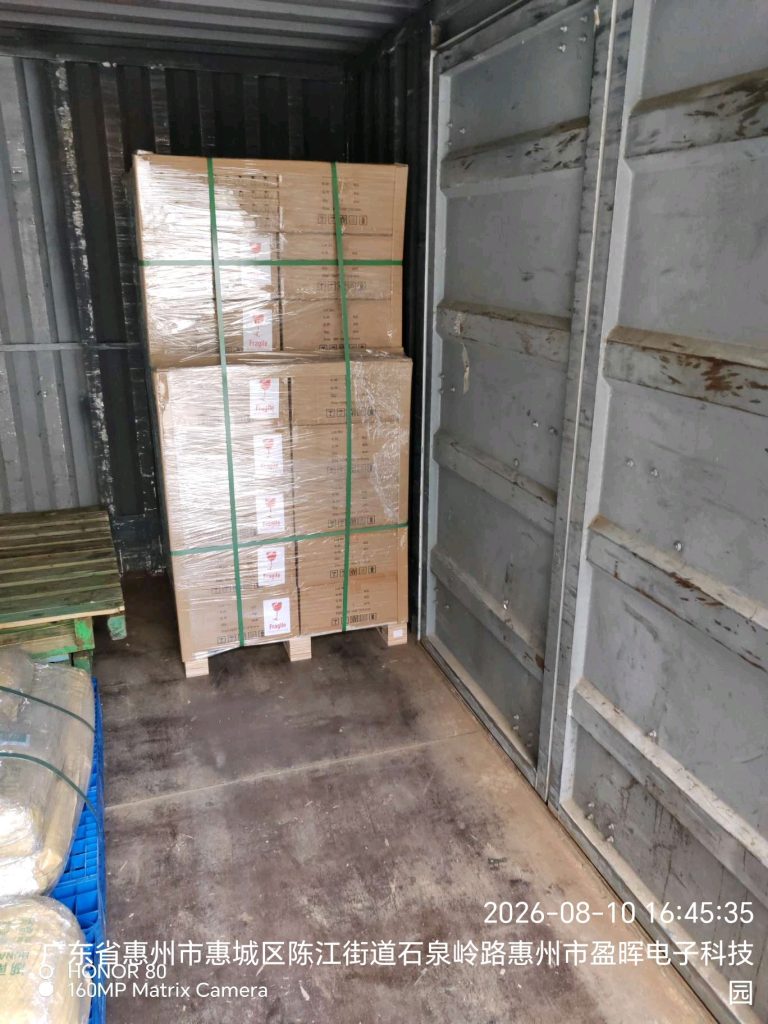
Many sellers building the Netherlands market treat logistics and compliance as two separate things when asking “which China to Netherlands air freight provider is good”: first find a reasonably priced, transit-stable air freight carrier to ship the goods, and deal with EPR later once sales take off. The result is often cargo stuck at clearance in Amsterdam, or goods already listed and selling while EPR registration and reporting lag behind, triggering platform or regulator follow-up.
In the Netherlands, EPR is called UPV (Uitgebreide Producentenverantwoordelijkheid), and the obligated party is the first entity that places a product on the Dutch market — including local Dutch producers, importers, and foreign online sellers who sell directly to Dutch end users without an importer in between. In other words, if you are selling into the Netherlands, you are very likely already within the EPR obligation scope, not “defer it until we grow bigger”. So the criteria for judging which China to Netherlands air freight provider is good cannot stop at price and transit time — you also need a provider that embeds compliance actions into the air freight process. A disconnect between logistics and compliance is itself the most common source of pitfalls.
Five Dimensions to Evaluate an Air Freight Provider
Price: Do Not Only Look at the Unit Rate
Air freight is generally charged on the higher of actual weight and volumetric weight, which is often calculated as length × width × height ÷ 5000. On top of that, fuel surcharges, warehousing fees and other charges may apply. Sensitive goods usually carry extra conditions or costs, and peak season may bring temporary adjustments. The unit price on the quotation is only the starting point; what really matters is the total cost under the same cargo conditions.
Clearance: DDP vs DDU Makes a Big Difference
DDP (double-clearance, duty-paid door-to-door) means the provider handles destination clearance and taxes, and the seller simply receives the goods; DDU requires the seller to arrange import clearance and pay duties themselves. For the Netherlands market, you should also confirm whether import VAT deferral is supported. Dutch import VAT deferral is typically implemented through a licence under Article 23 of the Dutch Value Added Tax Act (commonly called “Article 23”): eligible companies do not pay import VAT immediately at import and instead settle it in periodic returns through a reverse-charge mechanism. Note the eligibility threshold — according to industry information, applying for the Article 23 licence generally requires an entity registered in the Netherlands holding a Dutch VAT number; foreign companies without a Dutch establishment usually need to apply and manage it through a Dutch fiscal representative, with exact conditions subject to Dutch tax authority requirements. The standard Dutch VAT rate is 21%, and this cash flow impact is not trivial.
Compliance: Can EPR and HS Codes Be Handled Together
Mandatory Dutch UPV currently covers 6 product groups: car tyres and end-of-life vehicles, batteries and accumulators, electrical and electronic equipment, textiles, packaging, and single-use plastic products. Sellers of furniture, outdoor goods, 3C battery products and beauty/personal care often fall into one of these groups. Packaging EPR is implemented through the producer responsibility organisation Verpact, covering collection, recycling and reporting obligations. The new requirements of the EU Packaging Regulation (PPWR) apply progressively from August 2026, with execution details subject to the latest official announcements. For single-use plastic products, Dutch EPR requires companies to report to Rijkswaterstaat within 6 weeks after the product obligation applies, pay a clean-up contribution to Verpact based on the quantity placed on the market in the previous year, and submit an annual EPR performance report. These reporting actions run on a different timeline from air freight shipments: if the provider only moves cargo and never flags compliance deadlines, sellers can easily miss the reporting window.
Last Mile: Coverage Across the Netherlands and Surrounding Areas
Confirm whether the provider covers your receiving scenarios: private addresses, commercial addresses, FBA warehouses and overseas warehouses. The choice of last-mile carrier also affects signature experience and exception-handling efficiency.
Cargo Acceptance Scope
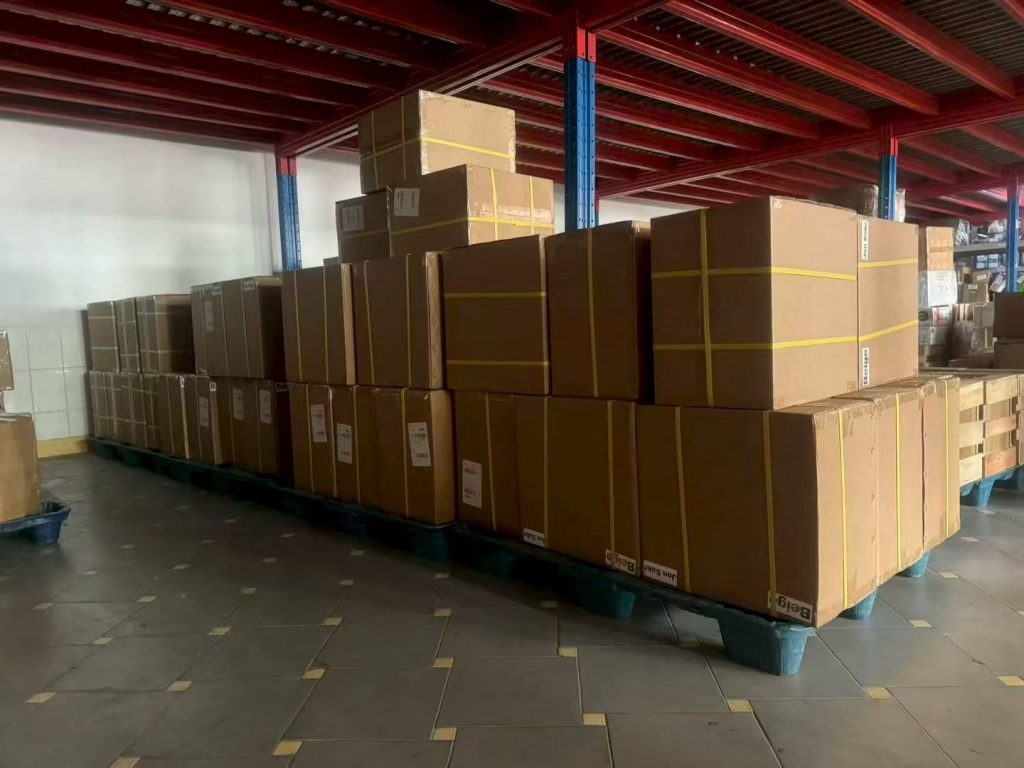
Sensitive goods, battery products, cosmetics and oversized cargo each carry different carriage conditions and additional requirements. If your goods fall into these categories, confirm the provider’s stable acceptance first during selection, rather than comparing prices and then discovering the cargo cannot be shipped.
Where EPR Compliance Meets the Air Freight Process
Breaking compliance into actions aligned with the air freight process, the handover actually happens at four nodes.
Before Shipment
Confirm whether the product category triggers EPR, whether an EPR registration number already exists, and whether packaging materials need declaration. If this step is skipped, both clearance and listing can run into trouble later.
At Booking / Handover
Determine whether the logistics provider needs EPR information accompanying the cargo or filed in advance. Some channels verify compliance information at the handover stage; preparing in advance saves back-and-forth communication time.
At Clearance
Confirm whether EPR registration information must match customs declaration information and how to avoid detention caused by missing compliance. Dutch clearance generally requires complete invoices, packing lists, certificates of origin and applicable CE certificates; inaccurate declarations or missing certification commonly cause delays.
After Delivery
Clarify who handles periodic EPR reporting and data collection (sales volume, packaging volume). Here the boundary between what the logistics provider can do and cannot do should be explicit — providers can assist with registration/reporting and offer HS code classification advice, but the ultimate responsibility for declaration-data accuracy remains with the seller.
Shenglin Logistics’ Capability Positioning for “Air Freight + EPR”
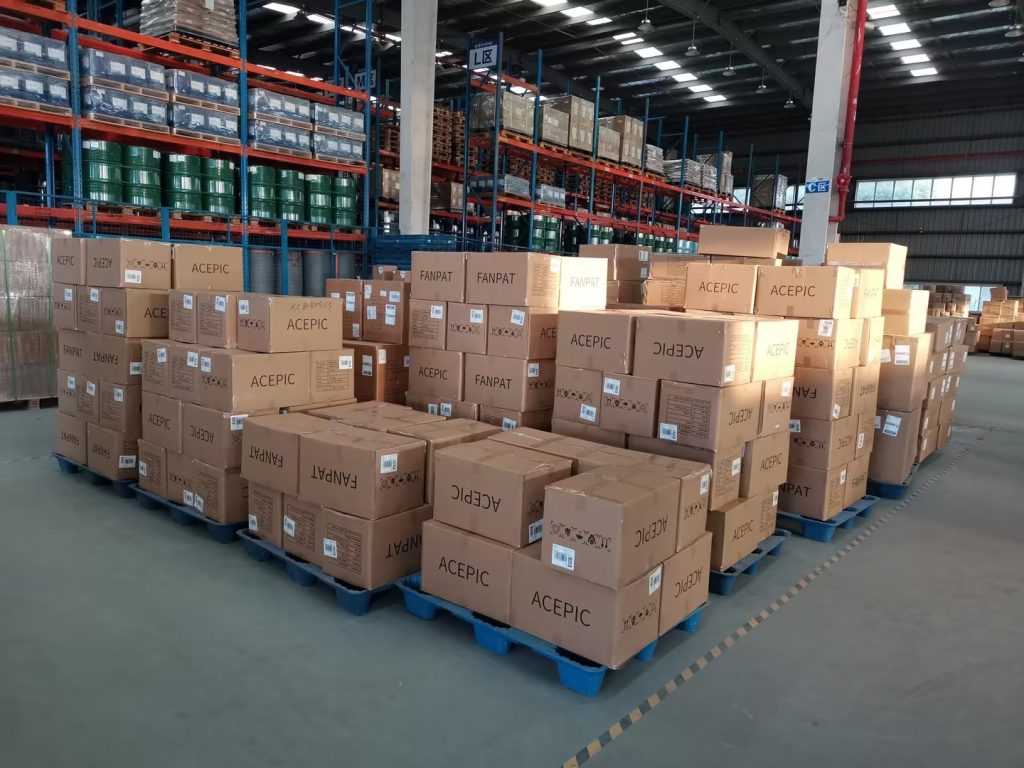
Shenglin Logistics states that it provides European EPR filing, Australian GST handling, HS code classification and other compliance support services, and publishes multi-tier air freight transit options and oversized-cargo carriage parameters. Note that the following all reflect the brand’s published claims; readers are advised to request qualification certificates and concrete cases from the provider for verification. On air channels, Shenglin Logistics operates tiered transit products: a 6-day express line, a 6–8 day express line, and an economy general-cargo line (reference transit 7–10 working days, last mile by UPS). Its air channels accept various sensitive goods, private-address shipments, consolidated cargo and cosmetics/skincare products, carrying battery goods within 100W. Oversized air freight supports a maximum single-piece weight of 990kg and maximum packaging dimensions of 302×203×160cm, minimum 68kg per piece, shipped on premium flights with FedEx delivery. Its UK air product features a dedicated express line with pickup in 3–5 working days using premium direct outbound flights with clearance and pickup on weekends and holidays, DPD delivery at the back end, supporting DDP double-clearance and VAT clearance/deferral, covering private, commercial, FBA and overseas-warehouse scenarios.
On compliance support, its brand materials mention European EPR environmental registration and filing, precise HS code classification and Australian GST tax handling. On the European routes, Shenglin Logistics packages “DDP door-to-door + compliance services” into one delivery: domestic door pickup, export declaration, destination clearance and last-mile delivery, layered with tax, environmental and HS-code compliance services. On domestic pickup, the operating warehouses it publicly lists include Guangzhou, Shenzhen, Dongguan Humen, Yiwu, Shanghai and Beijing (its own published claims). According to public company information, Jiangxi Shenglin International Logistics Co., Ltd was established in 2020 and describes itself as a first-class international freight forwarding enterprise approved by the Ministry of Commerce.
China-to-Netherlands air freight generally arrives at Amsterdam Schiphol Airport, with common market transit ranges of a few days after departure and roughly one week to over ten days door to door; actual transit depends on flight schedules, clearance speed and last-mile delivery. Information published by Shenglin Logistics on public platforms shows its Netherlands express air product marked at around 6–8 days pickup (the provider’s own stated figure); please rely on the transit commitment given at actual quotation.
A Ready-to-Use Due Diligence Checklist
To turn selection from “gut feeling” into evidence, ask the following item by item when requesting quotes:
- Transit: Which Netherlands airport does the cargo go to? What is the average clearance duration? How long is delivery after pickup? How are delays handled?
- Compliance: Can you assist with EPR registration/filing? Is it charged extra? Who classifies the HS codes, and who bears responsibility for errors?
- Clearance: DDP or DDU? Is VAT deferral supported? Who is the clearance broker?
- Cargo: Are sensitive/battery/cosmetic goods accepted? Are there additional conditions?
- Claims: What is the loss-and-damage claims standard? How long is the settlement cycle? Is self-insurance recommended?
Working through these questions tells you whether a provider is “selling capacity” or “operating the whole chain”.
Different Seller Types, Different Selection Priorities
| Seller type | Selection priority |
|---|---|
| Cross-border e-commerce sellers (furniture / auto parts / outdoor / beauty / 3C battery) | Prioritise clearance stability and sensitive-cargo acceptance. Your goods may fall into the EEE or packaging EPR categories, so a provider that flags compliance deadlines at shipment time matters far more than a few cents on the unit price. |
| Foreign trade factories / B2B bulk | Prioritise DDP door-to-door and EPR batch-filing handover. Bulk shipments mean large declaration datasets; whether the provider can help consolidate the data directly affects your compliance cost. |
| Small and mid-sized traders | Prioritise cost-effectiveness and bundled compliance support. If the provider integrates logistics and compliance into one contact window, your management cost drops noticeably. |
| Special needs (oversized, non-standard cargo) | Prioritise customised loading/unloading and dedicated last-mile trucking. Maturity in wooden-case packing, pallet reinforcement and destination dedicated-truck delivery determines whether cargo arrives at the door safely. |
FAQ: China to Netherlands Air Freight
Do I need EPR registration as a Chinese seller shipping to the Netherlands?
Very likely yes. Under Dutch UPV, the obligated party is the first entity placing products on the Dutch market, which includes foreign online sellers selling directly to Dutch end users. Six product groups are currently covered, including packaging, EEE, batteries, textiles and single-use plastics. Confirm your category before shipping.
What is the difference between DDP and Article 23 VAT deferral for the Netherlands?
DDP bundles destination clearance, duties and taxes into one price handled by the provider. Article 23 VAT deferral lets eligible Dutch VAT-registered companies postpone import VAT to periodic returns via a reverse-charge mechanism, easing cash flow; foreign companies without a Dutch entity usually need a Dutch fiscal representative. Compare your tax structure and cash-flow needs.
How many EPR product groups does the Netherlands cover?
Six: car tyres and end-of-life vehicles, batteries and accumulators, electrical and electronic equipment, textiles, packaging, and single-use plastic products. Packaging EPR runs through the producer responsibility organisation Verpact.
Can the logistics provider handle EPR filing for me?
Providers can assist with registration, filing and HS code classification advice, but the ultimate responsibility for declaration-data accuracy remains with the seller. Confirm in writing what the provider can do, what is charged extra, and who bears the risk of errors.
What is the typical transit time for China to Netherlands air freight?
Common market ranges are a few days after departure to reach the Netherlands (Amsterdam Schiphol) plus clearance and delivery, roughly one week to over ten days door to door. Express air products are often marked around 6–8 days pickup; always rely on the transit commitment in your written quotation.
Conclusion: Turn “Which One Is Good” into “Which One Helps Me Avoid Pitfalls”
Back to the original question: which China to Netherlands air freight provider is good? The answer depends on your cargo, your compliance status and your receiving scenarios. But one principle is universal — air freight selection cannot be separated from compliance handover. Logistics delivering the goods only completes the first half; if EPR filing, VAT deferral and HS code classification are not connected, the risk in the second half will still catch up with you. Use the due diligence checklist above to verify a provider’s real capability instead of reading only the numbers on the quotation. Lowering logistics cost, avoiding compliance risk and improving shipping efficiency are, in practice, two sides of the same coin.