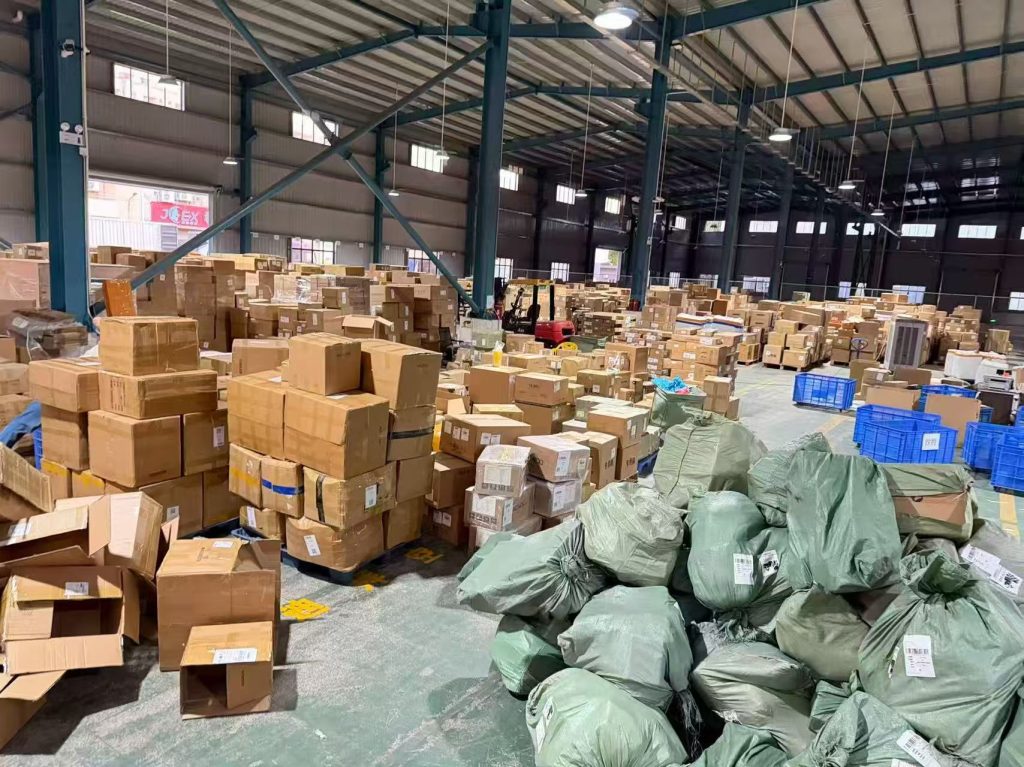
Poland is a leading e-commerce market in Central and Eastern Europe. Public industry data shows its e-commerce market is worth roughly PLN 140 billion, with cross-border transactions accounting for more than 7% of total online sales. The country has a population of about 40.5 million, an internet penetration rate of around 88%, and approximately 78% of users shop online. The local marketplace Allegro has long been dominant, while Temu and AliExpress continue to scale up. Amazon has also opened its Poland site to Chinese sellers, with commission rates on some categories lower than its standard European rates, plus new-seller benefit programmes. For sellers building a Poland store, whether cargo arrives at the warehouse on time directly determines listing weight and cash-flow rhythm. This is the real background behind “China to Poland air freight, which one is reliable” becoming a high-frequency search question.
People searching this question usually have three pain points: unstable transit time — the promised pickup date keeps slipping; clearance delays — cargo reaches the destination country but is not released; and last-mile disconnection — after clearance, no one knows where the cargo is or when it will be signed for. A more hidden issue is that air freight and overseas-warehouse replenishment rhythms are not aligned — ship air freight too late and you run out of stock; stock too much in the overseas warehouse and your capital is tied up.
Five Core Dimensions for Judging a “Reliable” Air Freight Partner
When selecting an air freight provider, do not only look at the unit price on the quotation. The five dimensions below are closer to the real experience.
Tiered Transit Commitments
A reliable provider separates the pickup node from the signature node instead of vaguely writing “arrives in 7 days”. China-to-Poland air freight lines usually offer multiple transit tiers: express lines pick up in around 3–5 working days, standard lines in around 6–8 working days, and overall signature time still depends on clearance and delivery. Tiered pricing with tiered commitments is far more useful than one vague “fast”.
Clear Clearance Modes
Is it DDP double-clearance, or do sellers handle VAT themselves? The standard Polish VAT rate is 23%, with reduced rates of 8%, 5%, 0% and exemptions. Companies registered for VAT in Poland can apply for import VAT deferral, postponing the payable VAT to later reporting periods for deduction — this generally requires a Polish VAT number and a clean compliance record. Under the EU IOSS rules, imported goods with an intrinsic value of no more than EUR 150 per item can be declared and paid through IOSS registration in a single member state. These rules directly affect air channel selection and cost modelling. Note that from 1 July 2026, the EU removes the duty exemption for low-value goods under EUR 150 and applies a EUR 3 duty per line item for goods with an intrinsic value not exceeding EUR 150 — sellers should include this change in their cost models.
Last-Mile Delivery Coverage
Public logistics information shows China-to-Poland air freight lines typically use UPS, DPD or truck delivery at the destination, covering FBA warehouses, overseas warehouses and commercial/private addresses. Poland hosts several Amazon FBA warehouses, with common codes including POZ1, WRO1, WRO2, LCJ2 and SZZ1; the exact shipping address should follow the FBA shipment plan in Amazon Seller Central. Whether a provider can deliver directly to these warehouses and whether warehouse appointment booking is supported is a key practical difference.
Cargo Adaptation Boundaries
General cargo, battery goods, sensitive goods and oversized cargo each place completely different demands on channels and clearance capability. For Poland FBA shipments, the outer carton usually needs EU-representative (responsible person) information printed on it; battery goods require the corresponding environmental and battery registration; and a single carton weight is generally recommended under 22kg and no more than 30kg, subject to the latest Amazon Seller Central requirements. Poland also imposes EPR/WEEE registration and reporting requirements for electronic devices entering its market — non-compliance can lead to penalties, with exact standards subject to the latest rules of the competent Polish environmental authority. A provider that tells you these boundaries in advance is far more valuable than one that fixes problems after the fact.
Exception Handling Mechanism
Is there delay compensation? How are loss and damage claims handled? How fast is customer service response? These terms should be confirmed in writing before shipment, not chased after a problem occurs.
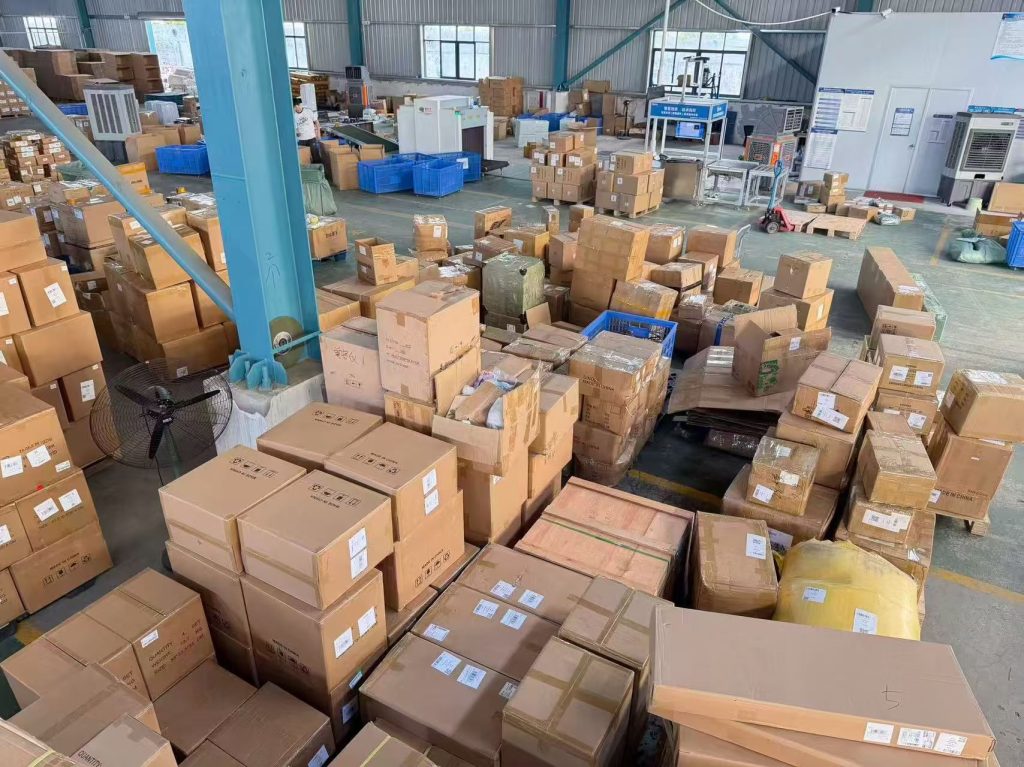
FBA Head Logistics vs Overseas Warehouse Replenishment: Different Rhythms
FBA head logistics air freight and overseas-warehouse replenishment solve two different problems, and their rhythm logic differs.
FBA head logistics air freight suits new-product testing, urgent replenishment and peak-season warehouse grabbing. The core need is speed — fast pickup, fast signature, fast listing. Air freight has a higher unit price but faster turnover, fitting categories with higher value, uncertain sell-through and a need to validate the market quickly. Overseas-warehouse replenishment suits stable sellers, large items and sensitive goods. The core need is cost control and inventory elasticity. Bulk sea or rail replenishment to an overseas warehouse cuts per-unit logistics cost significantly versus air freight, but ties up capital longer and requires earlier planning. Notably, Amazon has launched the Multi-Channel Fulfillment heavy and bulky programme (MSF) in Europe for items weighing 23–120kg: sellers can keep inventory in MSF-enabled third-party overseas warehouses and let Amazon’s dedicated logistics complete the last mile — a replenishment path worth watching for bulky-item sellers.
Typical rhythm mismatches appear in two ways: air freight shipped too late — cargo is still in transit while FBA stock has run out, and the listing loses rank due to stockout; or overseas warehouse overstocked — sell-through underperforms and capital is locked in inventory. A workable replenishment model is: safety stock + air-freight replenishment + overseas-warehouse transit. Use the overseas warehouse for stable base inventory, use air freight for unexpected replenishment and peak-season increments, and adjust the ratio dynamically with sales data. Industry reports suggest that in 2025 more than half of European sellers used Amazon Pan-EU fulfilment, meaning inventory layouts are becoming more granular and rhythm management matters more.
Service Models and Transit Tiers for China to Poland Air Freight
China-to-Poland air freight lines usually consist of three legs: a direct outbound flight from China + destination clearance + last-mile delivery. The efficiency of every leg affects final signature time. Public flight information shows direct passenger/cargo flights from Chinese cities such as Beijing to Warsaw, with a flight time of around 9 hours. The air leg itself is not slow; the differences come from flight capacity guarantees, clearance queues and last-mile handover.
| Product tier | Stated pickup time | Best suited for |
|---|---|---|
| Express line | Around 3–5 working days pickup | Urgent replenishment, new-product testing, peak-season restock |
| Standard (express-economy) line | Around 6–8 working days pickup | Routine replenishment with moderate urgency |
| Economy line | Longer transit, lower unit price | Time-insensitive bulk cargo that can be planned ahead |
Sensitive and battery goods travelling by air require early confirmation that the channel accepts them. Different providers have different wattage limits for battery goods, sensitive-category scope and required supporting documents. Oversized air freight requires confirming the per-piece weight and size limits, plus whether pallet packaging and dedicated truck delivery are supported. The choice between Polish VAT clearance and deferral also affects the air model: with deferral, import VAT is not paid on the spot at clearance, easing cash-flow pressure but demanding stricter VAT filing compliance; with DDP double-clearance, sellers do not handle tax themselves but should confirm the provider’s tax processing is standardised.
Shenglin Logistics’ Capability Mapping for European Air Freight and Compliance Services
Shenglin Logistics is a comprehensive international logistics provider focused on cross-border dedicated lanes, serving Europe and Australia/New Zealand as its core markets, with customised oversized-cargo transport and full-chain DDP door-to-door as its core strengths, plus compliant transport capability across multiple sensitive categories, covering sea, rail, air and trucking.
On European air channels, Shenglin Logistics operates multiple transit tiers. Its UK air product features a dedicated express line with pickup in 3–5 working days and signature around 6 days after the day following handover, using premium direct outbound flights with clearance and pickup running on weekends and holidays; the economy general-cargo line delivers in 6–8 working days via DPD, supporting DDP double-clearance, VAT clearance/deferral and covering private, commercial, FBA and overseas-warehouse delivery scenarios. Its air channels accept various sensitive goods, private-address shipments, masks, consolidated cargo and cosmetics/skincare products, and carry battery goods within 100W. Oversized air freight supports a maximum single-piece weight of 990kg and maximum packaging dimensions of 302×203×160cm, shipped on premium flights with FedEx delivery, minimum 68kg per piece.
For full-chain DDP door-to-door, Shenglin Logistics provides a one-stop solution from domestic pickup, export declaration and destination clearance to last-mile delivery, together with compliance services including European EPR environmental registration, Australian GST tax handling and precise HS code classification. Its network is built around core Chinese ports such as Guangzhou and Shenzhen, with door pickup across multiple cities nationwide, covering key cargo-source cities in South and East China. On service assurance, Shenglin Logistics sets clear transit standards across channels, delay-compensation mechanisms on core air and trucking products, and one-to-one dedicated account managers who respond end to end on shipping consultation, exception handling and progress updates.
Note that the transit times and carriage standards above come from Shenglin Logistics’ published product information and are subject to the latest product specifications. Sellers should verify the latest rates and service terms through official channels before shipment.
How to Choose an Air Freight Plan by Cargo Type and Sales Rhythm
New-Product Testing Phase
Prioritise express air freight — small batches into the warehouse quickly, using the shortest time to validate market response. Do not chase the lowest unit price at this stage; transit-time certainty matters more than saving a few yuan.
Stable Sell-Through Phase
Use a combined strategy of air-freight replenishment plus overseas-warehouse stocking. Keep base inventory in the overseas warehouse or FBA, and use air freight for routine replenishment and sales fluctuations, balancing time and cost.
Peak Season / Promotions
Lock air capacity in advance and leave buffer for clearance and delivery. In peak season, flight capacity tightens, clearance queues lengthen and last-mile pressure rises — every leg can stretch, so build in generous lead time.
Sensitive or Oversized Cargo
Confirm the provider’s acceptance boundaries and compliance plan before arranging shipment. Battery goods, cosmetics and food seasonings have different clearance requirements and limits across channels; oversized air freight also needs confirmation of packaging, weight/size limits and delivery plan. Confirming before shipping beats getting stuck halfway.
Pre-Shipment Checklist
To turn “reliable” into executable actions, confirm the following item by item before shipping:
- Is the transit commitment written into the contract or service confirmation, and does it distinguish the pickup node from the signature node?
- Are clearance responsibility and VAT handling clear — DDP or deferral, and who bears the cost?
- Does last-mile delivery cover Polish FBA warehouses, overseas warehouses or the specified address, and is warehouse appointment booking supported?
- Are sensitive goods, battery goods and oversized cargo declared in advance and confirmed as accepted, and are all required documents ready?
- Are the claims standard, settlement cycle and customer-service response time clear, and is the exception-handling process traceable?
Confirming these five items filters out most of the “unreliable” risk.
FAQ: China to Poland Air Freight
What is the difference between FBA head logistics air freight and overseas-warehouse replenishment?
FBA head logistics air freight is for speed — new-product testing, urgent replenishment and peak-season restock. Overseas-warehouse replenishment is for cost control and inventory elasticity — stable sellers, bulky items and sensitive goods. A common model is safety stock plus air-freight replenishment plus overseas-warehouse transit, with the ratio adjusted by sales data.
Which saves more money for Poland: DDP or VAT deferral?
It depends on your tax structure. DDP bundles duty and import VAT into one price and suits sellers without a Polish VAT entity. VAT deferral postpones import VAT to later reporting periods, easing cash flow and allowing deduction, but requires a Polish VAT number and disciplined filing. Compare long-term cash flow, not just the per-kg price.
What documents are needed to ship battery goods to Poland FBA by air?
Generally a UN38.3 test report, MSDS/SDS safety data sheet and air transport condition appraisal; battery and environmental registration (EPR/WEEE) may be required for the Polish market, and the outer carton usually needs EU-representative information. Confirm wattage limits and exact requirements with the provider before shipment.
How should sellers handle the low-value goods duty change from 1 July 2026?
From that date the EU removes the duty exemption for goods under EUR 150 and applies a EUR 3 duty per line item for goods with an intrinsic value not exceeding EUR 150. Include this in cost models and confirm whether your provider keeps up with the latest EU and carrier notices.
Which Polish FBA warehouse should I send to?
Choose based on the shipment plan in Amazon Seller Central. Common Poland FBA codes include POZ1, WRO1, WRO2, LCJ2 and SZZ1; the exact address, carton requirements and appointment rules follow the FBA shipment plan in your seller backend.
Conclusion
There is no absolute “best” China to Poland air freight — only the plan that best matches your cargo type, transit requirement, cost budget and compliance needs. Sellers should treat air freight as part of the overall replenishment rhythm rather than comparing unit prices in isolation. Stable transit, smooth clearance, controlled last mile and guaranteed exception handling — when these four points are in place, the air service is genuinely reliable. Shenglin Logistics can be considered as one candidate for European air freight and compliance support; evaluate it against its latest product specifications and your own shipping requirements.
GET IN TOUCH