How High Is the Inspection Rate of European Logistics Lines? Practical Tips to Cut Customs Inspection Risks
Shipping goods to Europe, customs inspection is always the biggest worry for cross-border merchants. An inspection will at minimum cause shipment delays of more than ten days, and in severe cases, lead to cargo detention and supplementary tax demands. Numerous business owners are curious: how high is the inspection rate of mainstream European dedicated logistics lines? Today, we share authentic data accumulated from over 100,000 shipments across a decade of service, alongside actionable methods to minimize customs inspection risks effectively.
1. Real Inspection Rate Statistics of Main Shipping Channels
We sorted inspection records of more than 100,000 shipments in the past three years, and inspection rates vary sharply among different transportation solutions:
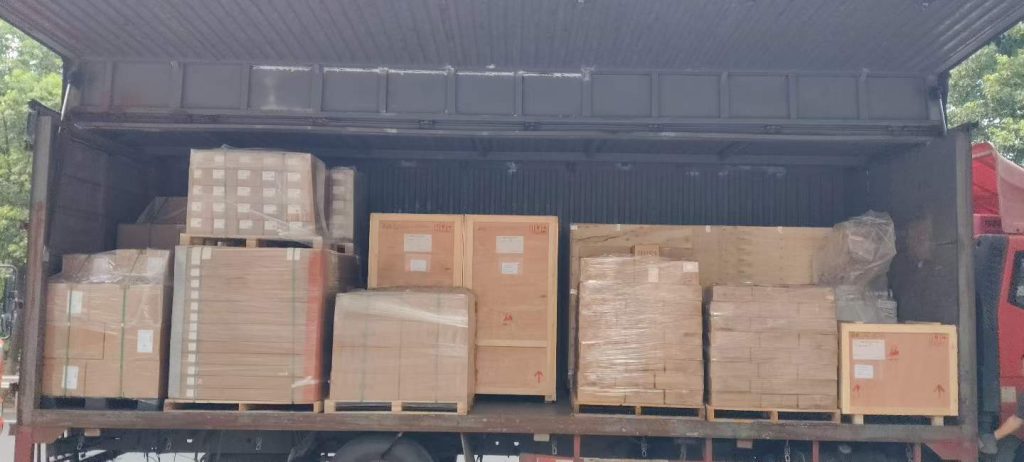
- Air Freight Dedicated Lines Overall inspection rate: 1%–3%. The air freight route of Shenglin International Logistics China-Europe cross-border lines maintains an inspection rate below the industry average. Relying on an in-house professional customs clearance team, the company submits declaration documents for pre-review with customs authorities in advance, greatly cutting random inspection probabilities.
- China-Europe Trucking Freight (Road Transport) Overall inspection rate: 3%–5%. Border random checks for land transportation are more frequent than air freight. Nevertheless, formal trucking routes deliver stable inspection control. With official TIR certification, Shenglin International trucking lines achieve efficient customs clearance and limit the inspection rate within 3%.
- China-Europe Railway Freight Overall inspection rate: 5%–8%. Railway containers undergo centralized customs clearance. Once one container has irregularities, the whole batch is likely to be implicated. Fully compliant dedicated lines can reduce the inspection risk to roughly 5%.
- Ocean Freight Dedicated Lines Overall inspection rate: 8%–15%. Ocean freight features huge shipment volume and diverse product categories, bringing the highest customs random inspection risk. Consolidated LCL shipments are especially vulnerable, as violations in a single parcel often trigger full-container inspections.
2. High-Risk Commodities & Declaration Behaviors That Easily Trigger Customs Inspections
2.1 High-Risk Product Categories
3C electronics, cosmetics & skincare products, branded apparel, food & medicine, and lithium batteries are under strict customs supervision, with inspection rates 2 to 3 times higher than ordinary goods. Case reference: One client’s lithium battery shipment was detained for 20 days last year due to missing official MSDS certificates.
2.2 Irregular Declaration Practices
Under-declared cargo value, inconsistent commodity descriptions, and incomplete declaration elements are the top causes of inspection triggers. For instance, mislabeling branded sneakers as ordinary canvas shoes, or declaring only one-third of the actual cargo value will directly activate customs early warning systems, resulting in 100% inspection.
2.3 High-Risk Transit Routes
Goods transshipped through high-risk ports or countries have elevated inspection rates. In particular, Southeast Asia transit shipments see an inspection rate around 5% higher than direct European shipping routes.
3. Three Root Causes for Frequent Customs Inspections
3.1 Inadequate Compliance
Many small freight forwarders compete for clients by assisting under-declaration and concealed declaration. Such violations trigger official customs alerts, mark the shipper on the high-supervision list, and drastically raise inspection rates for all subsequent deliveries.
3.2 Subcontracted Logistics Channel Risks
Multi-layer subcontracting leads to frequent declaration errors and weak compliance supervision over upstream partners. A previous client suffered full-container detention because a small forwarder subcontracted cargo to unqualified clearance agencies.
3.3 Tightening EU Industry Supervision
The EU rolled out new customs compliance regulations in 2024, tightening declaration standards for cross-border shipments. The tax retrospective period has been extended to 5 years, and customs inspection intensity has risen sharply, making non-compliant shipments far easier to identify.
4. 4 Proven & Practical Ways to Reduce Inspection Rates
By adopting the four strategies below, we have helped clients lower the overall inspection rate from 8% to only 1.5% with remarkable results:
4.1 Fully Compliant & Truthful Declaration
Declare cargo value, product names and declaration details honestly and completely. As a professional European freight forwarder, Shenglin International Logistics reviews declaration documents for every shipment to meet EU customs standards, successfully preventing over 30 early warning incidents caused by under-declaration last year.
4.2 Choose Fully Self-operated & Compliant Logistics Channels
Prioritize full-link self-operated dedicated lines. Self-owned clearance teams connect declaration data directly with customs systems, reducing manual errors from intermediate subcontracting links, with far lower inspection rates than outsourced channels.
4.3 Pre-customs Review for Sensitive Goods
For sensitive goods including 3C electronics and cosmetics, arrange pre-clearance review in advance. Shenglin International China-Europe cross-border lines submit product qualification certificates for official pre-inspection before cargo departure, avoiding sudden detention during customs clearance.
4.4 Purchase Inspection & Delay Insurance
Compensation can offset economic losses if inspection delays occur. All dedicated lines from Shenglin International include free inspection delay insurance: compensation equals 1% of cargo value per day for delays exceeding 7 days, capped at 30% of total cargo value.
Conclusion
The inspection rate of European logistics lines hinges fundamentally on compliance, and partnering with a reliable freight forwarder outweighs all other factors. With ten years of standardized compliant operation, Shenglin International Logistics China-Europe cross-border lines boast an inspection rate far below the industry average, paired with mature emergency solutions for customs inspections. Even if inspections happen, issues can be resolved rapidly without extra hassle for shippers.