China-Europe Railway Express vs China-Europe Trucking: Comparison, Features & Selection Guide
Introduction: New Logistics Solutions Linking China and Europe
Against the backdrop of increasingly interconnected global supply chains, China-Europe trade is calling for more efficient and reliable logistics channels. Apart from traditional sea freight and air freight, two emerging land transportation solutions — China-Europe Railway Express and China-Europe Trucking — have gained huge popularity among foreign trade enterprises thanks to their unique strengths. This article thoroughly analyzes their operation logic, core characteristics and applicable scenarios, helping you make optimal logistics decisions for cross-border shipments.
1. China-Europe Railway Express: The Iron Camel Fleet on Railways
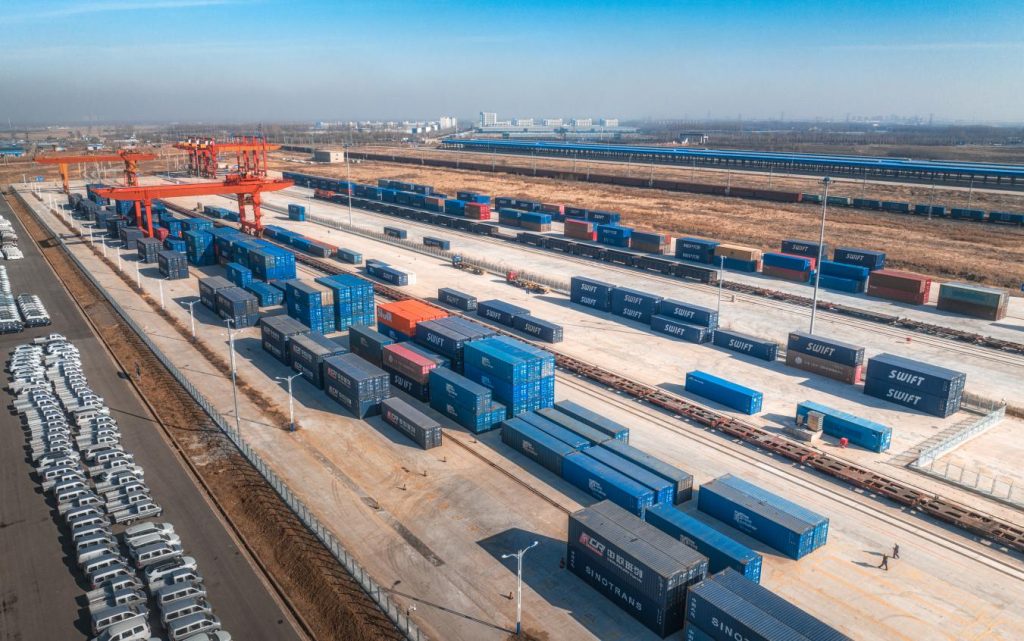
The China-Europe Railway Express refers to regular international container intermodal trains running between China, Europe and countries along the Belt and Road Initiative, with fixed routes, schedules and full-cycle operation timetables.
Core Characteristics
- Carrier: Railway container trains
- Main Routes: Western, Central and Eastern major corridors, representative lines include Chongqing-Duisburg (Yu-Xin-Ou), Yiwu-Madrid (Yi-Xin-Ou)
- Transit Time: 15–25 days, faster than sea freight and slower than air freight
- Cost: Moderate price between sea freight and air freight with high cost performance
- Cargo Restrictions: Strict limits on dangerous goods, oversized & overweight cargo; gauge change required on partial sections
- Stability: Less vulnerable to extreme weather, subject to customs inspection and railway operation conditions of transit countries
Advantages
- Stable lead time: Scheduled departures and arrivals with predictable timelines
- Large capacity: A single train can load abundant standard containers, ideal for bulk shipments
- Eco-friendly: Much lower carbon emissions per unit cargo than air and road transport
- Policy support: National strategic incentives, subsidies and simplified customs clearance privileges
Disadvantages
- Low flexibility: Full-container or full-train consolidation required, unfriendly to small-batch orders
- Complex transit procedures: Multiple customs declarations and gauge changes across numerous countries lead to long coordination chains
- Secondary delivery needed: Trains only arrive at major railway hubs, extra distribution is required for final destinations
2. China-Europe Trucking: Door-to-Door Express Highway Shipping
China-Europe Trucking stands for cross-border highway transportation between China and Europe, delivering goods directly via large TIR-certified international trucks.
Core Characteristics
- Carrier: Large TIR-certified international freight trucks
- Main Routes: Departure from western Chinese ports such as Khorgos, passing through Kazakhstan, Russia, Belarus and other nations to enter Europe
- Transit Time: 12–18 days, slightly faster than railway express
- Cost: Higher than rail freight yet cheaper than air freight
- Cargo Restrictions: Loose limits on cargo size and weight, suitable for irregular, fragile and urgent goods
- Stability: Greatly affected by road conditions, weather and border congestion
Advantages
- Ultra-high flexibility: Real door-to-door delivery directly to factories and warehouses without transshipment
- Fast lead time: Point-to-point direct delivery cuts loading, unloading and transfer procedures
- Wide cargo adaptability: Low minimum shipment requirement, accepts goods prohibited by railway transport
- Efficient customs clearance: TIR convention enables mutual recognition of customs seals, fewer inspections and faster clearance
Disadvantages
- Relatively high cost: High expenditure on fuel, labor and vehicle depreciation pushes up unit logistics cost
- Limited load capacity: Single truck loading volume is far smaller than one railway train
- Weather vulnerability: High driving risks in frigid winter regions, uncertain border traffic congestion
- Strict requirements for long-distance truck drivers
3. Core Comparison Table
| Comparison Dimension | China-Europe Railway Express | China-Europe Trucking |
|---|---|---|
| Transport Mode | Railway container intermodal transport | International highway truck transportation |
| Core Strengths | Large load capacity, moderate cost, stable schedule, low carbon emission | High flexibility, door-to-door delivery, fast transit, special cargo compatibility |
| Standard Lead Time | 15–25 days | 12–18 days |
| Price Level | Medium (Sea < Railway < Trucking < Air) | Medium-High |
| Flexibility | Low (Station-to-Station, cargo consolidation needed) | Extremely High (Door-to-Door, flexible departure schedule) |
| Applicable Cargo | Standard containers, large-batch ordinary goods | Small batches, irregular, high-value, fragile & urgent goods |
| Stability | Slightly stable, little weather impact, affected by railway operation | Unstable, easily affected by road condition, weather & border traffic |
| Environmental Friendliness | High (Low carbon footprint) | Low |
4. Selection Guide for Enterprises
Your choice between railway express and trucking depends on your cargo attributes and supply chain demands.
Choose China-Europe Railway Express preferentially if:
- You ship large volumes with full or multiple standard containers
- Goods are standard products, cost-sensitive without extreme urgency
- Origin and destination are close to major railway hubs
- Your enterprise pursues low-carbon and sustainable supply chain development
- You have clear shipping plans and enough time for cargo consolidation
Choose China-Europe Trucking preferentially if:
- Your shipment is less than one full container (LCL cargo)
- Goods are irregular-sized, fragile or high-value requiring gentle handling
- You have urgent delivery demands and require direct warehouse delivery
- Origin or destination is far from railway hubs with high last-mile delivery costs
- Your supply chain needs flexible adjustment to cope with market fluctuation
Combined Multimodal Transport Strategy
Most professional logistics suppliers provide hybrid solutions: Railway + Trucking or Trucking + Railway. Typical application: Railway undertakes long-distance trunk transportation across Central Asia and Russia, while trucking handles last-mile distribution inside Europe, balancing cost and delivery efficiency perfectly.
5. Industry Development Trends & Outlook
- China-Europe Railway Express: Developing toward high-quality, market-oriented and sustainable operation. Future plans include higher departure frequency, customized special trains (cold chain trains, automobile transport trains), deeper cooperation with overseas warehouses, and integrated trunk & branch logistics network construction.
- China-Europe Trucking: With improved highway infrastructure along the Belt and Road and wider TIR application, its reliability and timeliness will keep improving. Digital tracking systems will make truck location and customs status fully transparent and traceable.
Conclusion
China-Europe Railway Express and China-Europe Trucking are complementary rather than mutually exclusive logistics options. The railway express acts as major arteries for stable, large-scale trunk transportation; trucking serves as fine capillaries reaching terminal destinations with agile, flexible delivery. For foreign trade companies, distinguishing their essential differences and selecting logistics solutions rationally based on cargo features, budget and timeline, or adopting combined multimodal transport, is critical to improving the competitiveness of your international supply chain.